

LED Carrier Tape Packaging Solutions for SMT LED Components
What Is LED Carrier Tape Packaging?
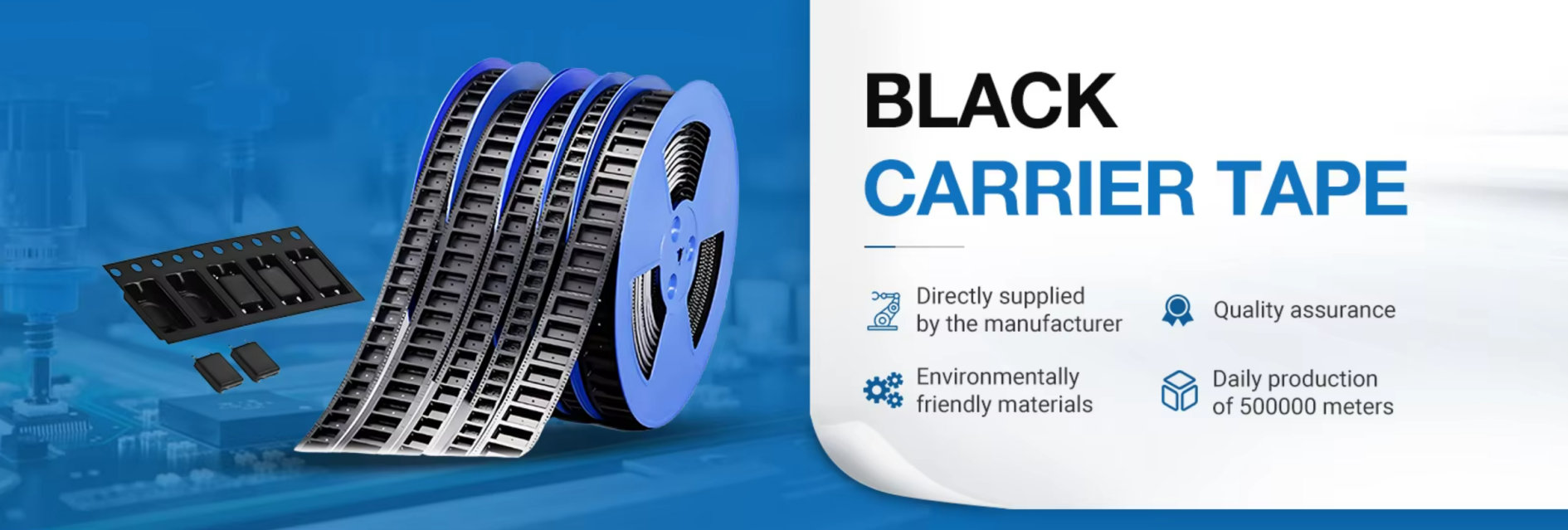
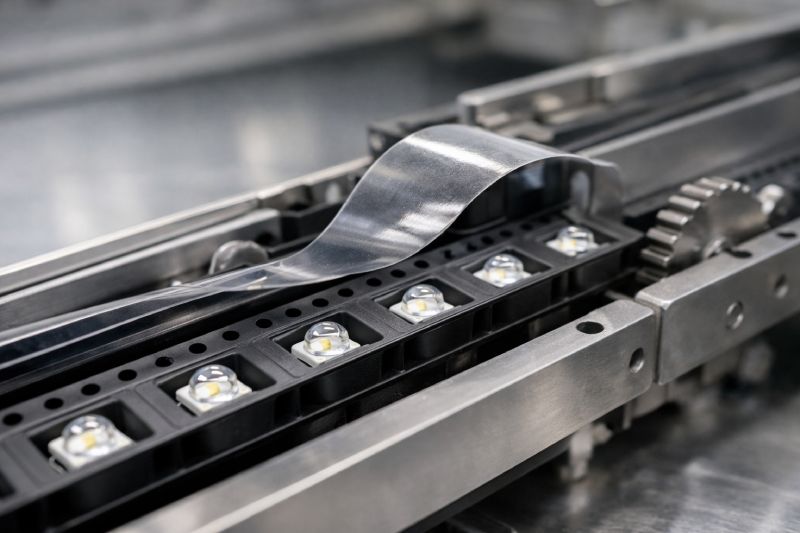
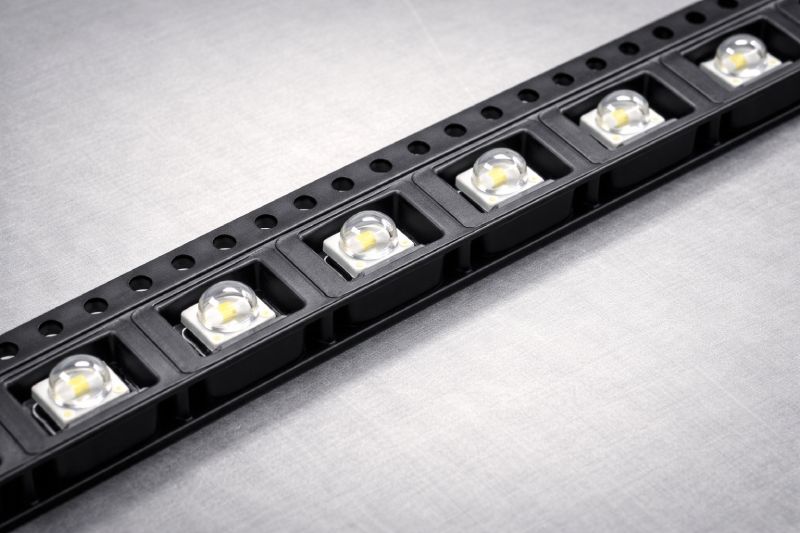
LED carrier tape packaging is an automated, component-level packaging solution specifically designed for LED devices used in SMT assembly. It provides a controlled method for transporting, storing, and feeding LED components into pick-and-place machines before reflow soldering.
Unlike loose packaging or generic SMD tape, LED carrier tape uses precisely formed pockets, consistent pitch, and matched cover tape to hold each LED in a fixed orientation. This structure ensures that the optical surface, electrodes, and pick-up area remain protected and correctly aligned throughout handling and feeding. The result is stable indexing, predictable component presentation, and reduced risk of damage during high-speed SMT processes.
In practice, LED carrier tape acts as the mechanical interface between LED components and automated assembly equipment. Its design directly affects feeding reliability, placement accuracy, and overall production yield, making it a foundational element in modern LED manufacturing workflows.
Why LEDs Require Specialized Carrier Tape Packaging
LED components present a set of handling and assembly challenges that differ significantly from typical SMD or IC devices. Most LEDs are lightweight and compact, which makes them prone to rotation or flipping if pocket geometry and orientation control are not precisely designed. Even minor instability during feeding can lead to mis-picks or placement errors on high-speed SMT lines.
In addition, many LED packages expose an optical surface or lens that is sensitive to scratches, pressure marks, or contamination. Standard carrier tape designs may protect electrical terminals but fail to shield the optical area adequately, increasing the risk of cosmetic or functional defects before reflow.
Orientation accuracy is another critical factor. LEDs often have strict polarity and emission-direction requirements, meaning consistent face-up positioning and stable pick-up height are essential for reliable placement.
For these reasons, LED carrier tape is not interchangeable with generic SMD carrier tape. It must be engineered specifically around LED package behavior, optical protection, and SMT feeding stability.
Typical LED Components Packaged in Carrier Tape
A wide range of LED components are supplied and assembled using carrier tape, but their packaging requirements vary significantly depending on package structure and application context. Understanding these differences is essential for proper pocket and pitch design.
SMD LEDs are the most common type used in consumer electronics, displays, and general lighting. They are compact and lightweight, often requiring tight pocket tolerances to prevent rotation while maintaining smooth feeding.
High-power LEDs typically feature larger bodies, exposed thermal pads, or integrated lenses. Carrier tape for these components must support greater pocket depth and provide additional protection for optical and thermal surfaces during transport and handling.
Mini LEDs and Micro LEDs introduce further complexity due to their extremely small size and low mass. For these devices, pocket geometry, surface finish, and pitch consistency play a critical role in preventing misalignment, flipping, or loss during high-speed feeding.
Automotive LEDs are often more robust but demand higher consistency and traceability. Their carrier tape designs prioritize feeding stability and compatibility with long, uninterrupted SMT runs.
Each LED category imposes distinct mechanical and orientation requirements. As a result, pocket design logic, pitch selection, and cover tape behavior must be adapted to the specific LED type rather than treated as a one-size-fits-all solution.
Key Design Considerations for LED Carrier Tape
Designing carrier tape for LED components requires close attention to mechanical detail, because even small deviations can affect feeding stability and placement accuracy. Unlike many ICs, LEDs often combine sensitive optical surfaces with low mass, making tape design a direct contributor to assembly yield.
Pocket shape and depth are critical. The pocket must support the LED body without applying pressure to the lens or light-emitting surface. Insufficient depth can cause contact damage, while excessive depth may reduce pick-up consistency.
Orientation control is equally important. LEDs must remain face-up and polarity-correct throughout transport and feeding. Pocket geometry, corner radii, and surface finish all influence whether an LED stays seated correctly or rotates under vibration.
Pitch selection has a direct impact on feeding stability. Consistent pitch ensures smooth indexing through the feeder and predictable component presentation at the pick position. For lightweight LEDs, even minor pitch variation can result in cumulative misalignment over long runs.
Finally, D1 sprocket hole accuracy determines how precisely the tape advances within the feeder. Misalignment between D1 holes and pocket centers can lead to skewed positioning, missed picks, or intermittent feeding errors—issues that become more pronounced on high-speed SMT lines.
Together, these design factors define how reliably LED components move from reel to placement head. LED carrier tape must therefore be engineered as a precision interface, not just a passive packaging medium.
Materials Used for LED Carrier Tape
Material selection plays a decisive role in how well a carrier tape performs in LED applications. The chosen material affects pocket precision, surface finish, dimensional stability, and long-term feeding reliability during SMT assembly.
PS (polystyrene) and PET (polyethylene terephthalate) are commonly used in LED carrier tape due to their good formability and cost efficiency. PS is suitable for standard SMD LEDs where moderate pocket accuracy and protection are sufficient. PET offers improved dimensional stability and better resistance to deformation, making it a preferred choice for higher-density or longer production runs.
PC (polycarbonate) is used in more demanding LED projects that require tighter tolerances or deeper, more complex pocket geometries. Its higher rigidity and thermal stability help maintain pocket shape, especially for high-power or optically sensitive LEDs.
For certain LED applications, conductive or ESD-safe materials are necessary. While LEDs are generally less ESD-sensitive than some semiconductor devices, specific designs or production environments still require controlled static dissipation to protect component integrity.
The correct material choice balances mechanical performance, protection requirements, and production efficiency rather than relying on a single universal option.
LED Carrier Tape in SMT Assembly
In SMT production, LED carrier tape functions as the physical interface between LED components and automated pick-and-place equipment. From the moment a reel is loaded onto the feeder, tape quality and design directly influence placement accuracy and line stability.
As the carrier tape advances, precisely spaced pockets present each LED at a consistent height and orientation for vacuum pick-up. Stable feeding ensures that the nozzle engages the LED cleanly without side contact or misalignment. For LEDs with optical lenses or exposed surfaces, this controlled presentation helps prevent surface damage before placement.
Feeding consistency is especially critical on high-speed SMT lines. Lightweight LED components are more susceptible to vibration, sudden acceleration, and indexing shocks. Poorly designed tape can lead to intermittent pick failures, skewed placement, or frequent feeder stops, all of which reduce throughput and yield.
Modern SMT environments therefore place higher demands on LED carrier tape than simple transport packaging. It must support continuous, repeatable feeding over long production runs while maintaining component orientation and protection throughout the process.
Common Issues in LED Carrier Tape Packaging
Despite careful planning, LED carrier tape packaging can introduce risks if design details or process conditions are not properly matched to the component. These issues often appear during feeding or placement rather than at incoming inspection.
LED rotation or flipping is one of the most common problems. Lightweight packages and insufficient pocket constraint allow LEDs to shift during transport or feeder indexing, leading to polarity errors or mis-picks.
Pocket deformation may occur when the carrier tape material lacks sufficient rigidity or when pocket depth is poorly matched to the LED body. Deformed pockets can reduce seating stability and cause inconsistent pick-up height.
Surface damage to LED lenses is another frequent concern. Contact between the optical surface and pocket walls, cover tape, or adjacent components can result in scratches, pressure marks, or contamination before reflow.
Finally, feeding instability can arise from pitch variation, D1 hole misalignment, or inconsistent cover tape behavior. These factors often cause intermittent issues that disrupt SMT line efficiency and are difficult to trace back to the packaging design alone.
Understanding these risks is essential when evaluating whether an LED carrier tape design is suitable for a specific production environment.
When Custom LED Carrier Tape Is Required
Standard LED carrier tape configurations are sufficient for many mainstream applications, but certain scenarios quickly expose their limitations. Knowing when to move toward a custom design is a key decision point for both engineering and procurement teams.
Custom LED carrier tape is often required when dealing with non-standard LED packages, such as asymmetric housings, unusual lens shapes, or customized lead frames. These designs rarely fit well into off-the-shelf pocket geometries and are more prone to rotation or surface contact.
Projects involving high-brightness or high-value LEDs also benefit from custom packaging. When component cost and quality risk are high, tighter pocket control and enhanced optical surface protection become critical to avoid yield loss.
In high-speed SMT or yield-sensitive production lines, even minor feeding instability can have a disproportionate impact on output. Custom carrier tape allows pocket geometry, pitch, and material selection to be optimized specifically for feeder behavior and placement conditions.
In these cases, custom LED carrier tape is not a performance upgrade—it is a risk-control measure aligned with production reliability and quality objectives.
Standards and Compatibility for LED Carrier Tape Packaging
LED carrier tape packaging is generally developed within the framework of established industry standards, with EIA-481 serving as the primary reference for dimensional consistency, sprocket hole placement, and tape format. Compliance with this standard ensures basic compatibility with SMT feeders and pick-and-place equipment across different manufacturers.
However, LED projects often reveal the limits of strict standardization. While overall tape width, pitch ranges, and reel formats may follow EIA-481, LED package geometry and optical constraints frequently require deviations in pocket depth, shape, or surface treatment. These adjustments are necessary to maintain orientation stability and protect sensitive LED features.
As a result, many LED carrier tape designs are EIA-481-compatible rather than strictly standard. They preserve feeder interoperability while allowing customization at the pocket level. This balance enables manufacturers to meet equipment requirements without compromising component safety or placement reliability.
Understanding how standards apply—and where flexibility is acceptable—is essential when evaluating LED carrier tape for real-world SMT production.
Summary
LED carrier tape plays a critical role in ensuring stable, repeatable, and damage-free handling of LED components throughout SMT assembly. Unlike generic SMD packaging, LED carrier tape must account for lightweight structures, sensitive optical surfaces, and strict orientation requirements that directly affect placement accuracy and production yield.
From pocket geometry and pitch control to material selection and feeder compatibility, each design choice influences how reliably LEDs move from reel to placement head. As LED packages become smaller, brighter, and more application-specific, the importance of correctly engineered carrier tape continues to increase.
For standard applications, well-matched LED carrier tape provides consistent feeding and protection. For non-standard or yield-sensitive projects, custom designs become a practical necessity rather than an upgrade.



 Emial
Emial John Mr