
Tape and Reel Packaging Explained: Process, Components & SMT Standards
Introduction
In modern electronics manufacturing, surface-mount components must be supplied in a format that allows assembly machines to handle them efficiently. High-speed SMT production lines rely on automated feeders that continuously deliver components to pick-and-place equipment. If components are not packaged in a standardized way, feeding errors and production interruptions can easily occur.
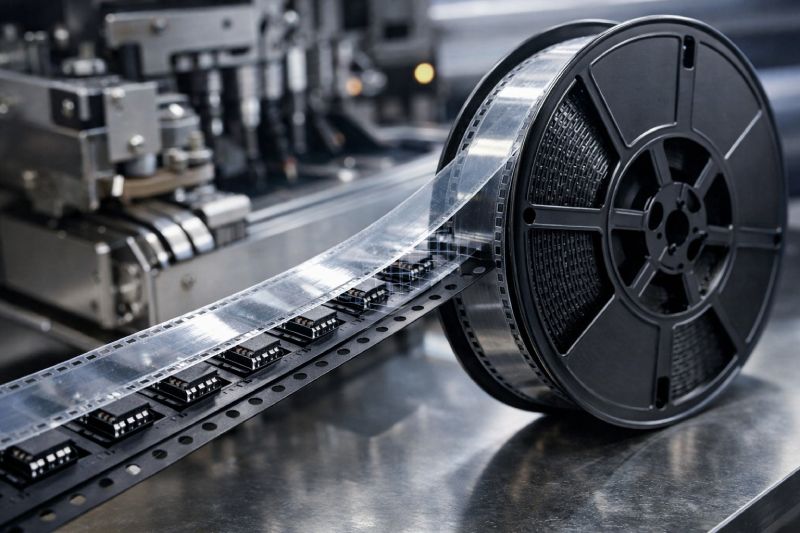
Tape and reel packaging was developed to solve this challenge. By placing components into formed pockets in a carrier tape, sealing the tape with a protective cover layer, and winding the tape onto reels, manufacturers create a packaging format that can be directly used by SMT feeders.
Today, tape and reel packaging is widely used for integrated circuits, resistors, capacitors, LEDs, sensors, and many other surface-mount devices. Understanding how this packaging method works is important for engineers, component manufacturers, and procurement teams involved in electronics production.
This article explains the structure of tape and reel packaging, how the packaging process works, the standards that define it, and the key factors to consider when selecting a tape and reel solution.
What Is Tape and Reel Packaging?
Tape and reel packaging is a standardized method for storing and transporting surface-mount electronic components so they can be automatically fed into SMT assembly equipment.
Definition of Tape and Reel Packaging
In tape and reel packaging, electronic components are placed into individual pockets formed in a carrier tape. After loading, a cover tape is applied to seal the pockets and prevent components from falling out during transport. The sealed tape is then wound onto a plastic reel for easy handling and automated feeding.
During SMT assembly, the reel is mounted onto a feeder on the pick-and-place machine. The carrier tape advances step by step, exposing each component pocket so the machine can pick the component and place it onto the printed circuit board.
Why Electronics Manufacturing Uses Tape and Reel
Tape and reel packaging is widely used because it supports highly automated manufacturing environments. SMT machines require a reliable and repeatable component delivery method. Tape and reel provides this by organizing components in a consistent orientation and spacing.
Key benefits include:
-
Compatibility with automated pick-and-place machines
-
Reliable high-speed feeding during production
-
Protection of delicate components during shipping
-
Standardized packaging format across the electronics industry
Without tape and reel packaging, modern high-volume SMT production would be far less efficient.
How the Tape and Reel Packaging Process Works
The tape and reel packaging process involves several steps designed to ensure components are positioned correctly and securely sealed before entering the supply chain.
Step 1 – Component Orientation
Before loading components into carrier tape, they must be oriented according to industry standards. Correct orientation ensures that pick-and-place machines recognize the component position and polarity.
The orientation rules are typically defined by packaging standards such as EIA-481, which specify how components should be placed relative to sprocket holes and tape direction.
Step 2 – Carrier Tape Pocket Loading
Once orientation is defined, components are placed into pockets formed in the carrier tape. These pockets are engineered to match the size and geometry of the component.
The pocket design must ensure that:
-
components remain stable during transport
-
components are easy for SMT machines to pick
-
component leads or contacts are protected
For many devices, the pocket shape is custom designed to achieve optimal protection and feeding performance.
Step 3 – Cover Tape Sealing
After components are loaded into the carrier tape, a cover tape is applied over the pockets to seal them.
Two common sealing methods are used:
-
Heat-activated cover tape, which bonds to the carrier tape using heat and pressure
-
Pressure-sensitive cover tape, which uses adhesive bonding without heating
The sealing process must produce a consistent peel force so that SMT machines can remove the cover tape smoothly during assembly.
Step 4 – Reeling and Labeling
After sealing, the carrier tape is wound onto a plastic reel. The reel organizes the tape into a compact format that can be easily handled, transported, and mounted onto SMT feeders.
Packaging is typically completed with labeling that includes:
-
part number
-
quantity
-
lot information
-
orientation reference
For moisture-sensitive components, additional packaging such as moisture barrier bags may also be used.
Main Components of a Tape and Reel Packaging System
A complete tape and reel packaging system consists of several key elements that work together to protect components and enable automated feeding.

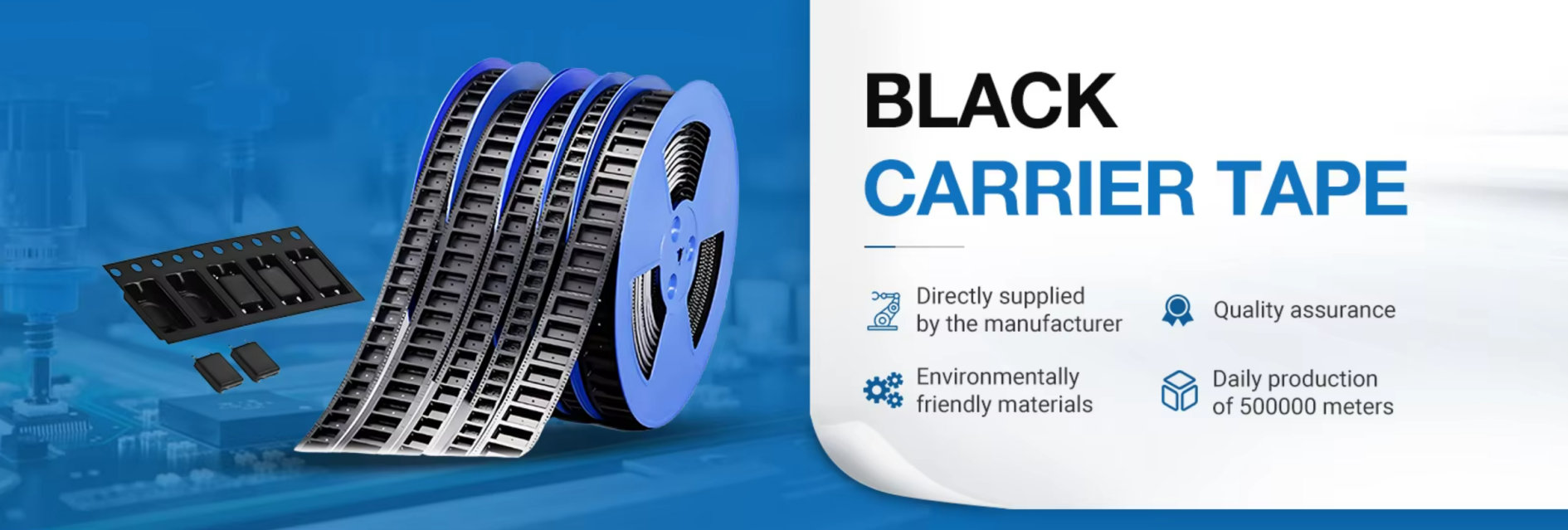
Carrier Tape
Carrier tape is the core structure that holds electronic components during storage and assembly.
Carrier tapes are typically made from materials such as:
-
polystyrene (PS)
-
polyethylene terephthalate (PET)
-
polycarbonate (PC)
Embossed carrier tape is commonly used for surface-mount components. In this design, pockets are formed directly into the tape using thermoforming processes.
The pocket dimensions must precisely match the component size to ensure stability during transportation and feeding.
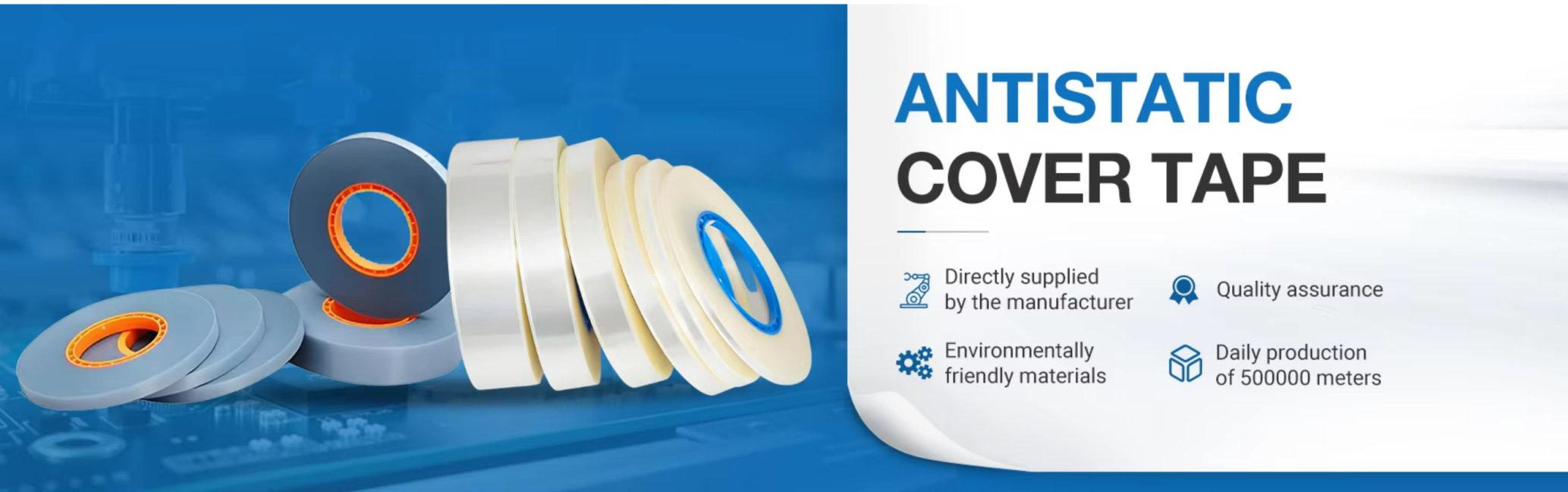
Cover Tape
Cover tape seals the carrier tape pockets and keeps components securely inside.
During SMT assembly, the cover tape is peeled away as the tape advances through the feeder. The peel strength must remain within a controlled range to ensure smooth removal without disturbing the components.
Consistent peel force is critical to preventing feeding issues during high-speed production.
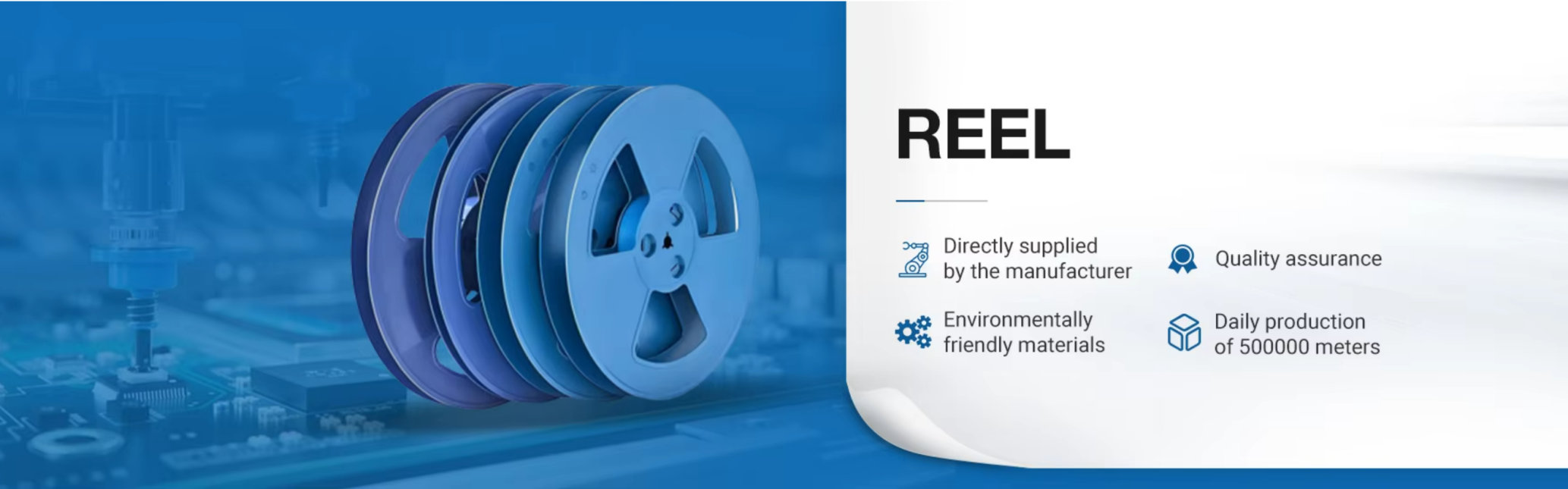
Plastic Reels
Plastic reels store the carrier tape after packaging and allow easy mounting onto SMT feeders.
Reels are manufactured in different diameters depending on component size and packaging quantity. Common reel sizes include 7-inch, 13-inch, and 15-inch formats.
The reel design must maintain stable tape winding and prevent deformation during storage and transport.
Tape and Reel Packaging Equipment
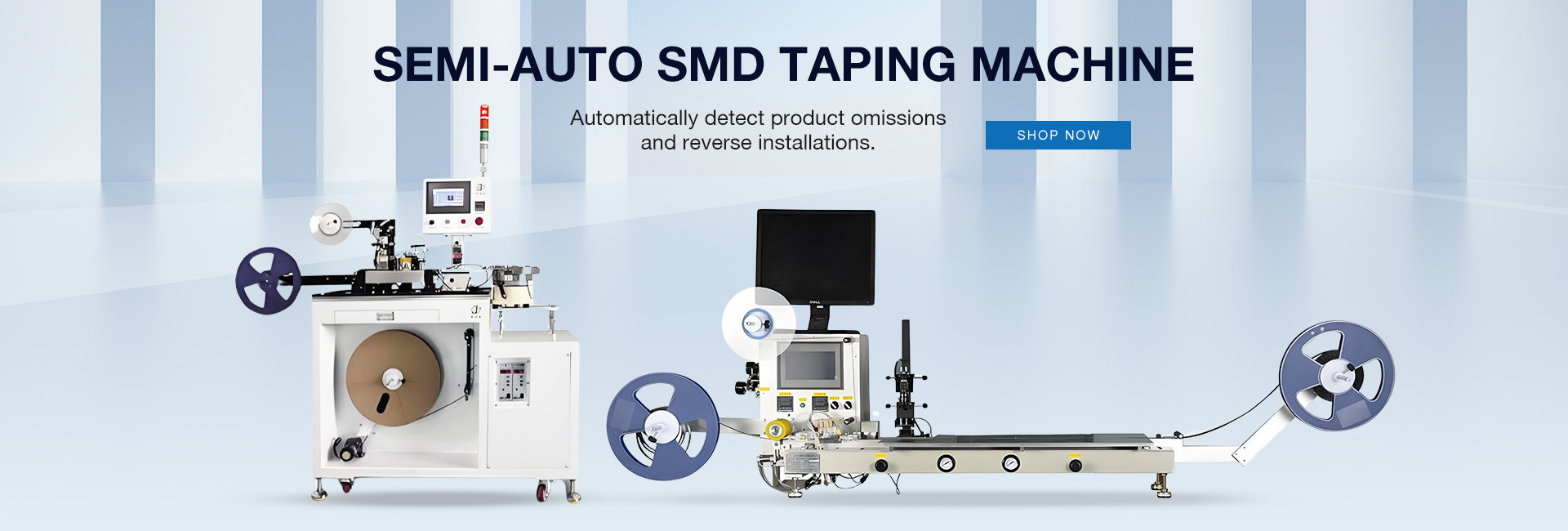
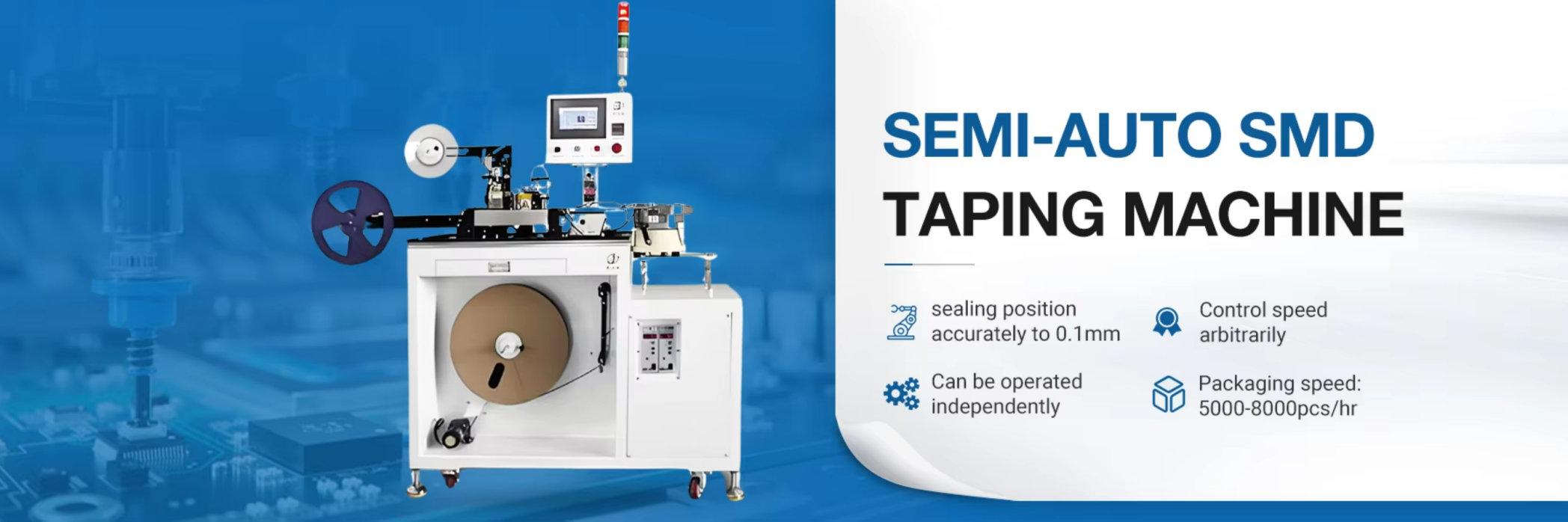
Automated taping machines are used to load components into carrier tape and apply cover tape.
These machines typically include:
-
component feeding systems
-
vision inspection modules
-
pocket loading mechanisms
-
cover tape sealing units
Automated inspection helps ensure that components are correctly positioned before sealing.
Tape and Reel Packaging Standards (EIA-481 Explained)
Tape and reel packaging is governed by industry standards to ensure compatibility between packaging suppliers and SMT equipment manufacturers.
The most widely used specification is EIA-481, which defines the dimensions and design of carrier tape used for electronic components.
Key elements covered by the standard include:
-
pocket pitch and spacing
-
sprocket hole dimensions
-
tape width
-
pocket depth and clearance
-
component orientation
These standards ensure that carrier tapes can be reliably used across different SMT machines and feeder systems.
By following standardized packaging guidelines, manufacturers reduce the risk of feeding errors and improve production consistency.
Applications of Tape and Reel Packaging in Electronics Manufacturing
Tape and reel packaging is used across nearly every sector of electronics manufacturing.
Semiconductor Devices
Integrated circuits such as QFN, BGA, and small logic devices are commonly supplied in tape and reel packaging to support automated board assembly.
Passive Components
Resistors, capacitors, and inductors are produced in massive volumes and are almost always packaged using tape and reel.
This packaging format allows SMT machines to place thousands of passive components per minute.
LED Packaging
Surface-mount LEDs and mini LED devices are also packaged in carrier tapes designed to protect optical surfaces and fragile structures.
Connectors and Sensors
Small connectors, MEMS sensors, and other miniature components often rely on custom carrier tape designs to ensure proper orientation and protection.
Advantages of Tape and Reel Packaging for SMT Production
Tape and reel packaging provides several advantages that make it the preferred format for automated electronics manufacturing.
One major benefit is automation compatibility. SMT pick-and-place machines are designed to operate with tape feeders that advance components sequentially during assembly.
Another advantage is high feeding speed. Properly designed carrier tapes allow machines to place tens of thousands of components per hour without interruption.
Tape and reel packaging also offers excellent component protection. The pocket structure shields delicate parts from mechanical damage during shipping and handling.
In addition, tape and reel improves logistics efficiency. Reels are compact, stackable, and easy to transport within manufacturing facilities.
Because of these advantages, tape and reel packaging has become the standard method for supplying surface-mount components to SMT production lines worldwide.
How to Choose the Right Tape and Reel Packaging Solution
Selecting the correct tape and reel packaging solution requires consideration of several engineering factors.
Component Size and Geometry
The dimensions of the component determine the pocket size and tape width required. Complex shapes or fragile leads may require specially designed pocket structures.
Proper pocket design ensures that components remain stable while still being accessible for pick-and-place equipment.
Material Selection
Different carrier tape materials provide varying levels of rigidity, transparency, and durability.
For example:
-
PS carrier tape is commonly used for standard applications
-
PET offers improved strength and dimensional stability
-
PC materials may be used for specialized packaging needs
Anti-Static Requirements
Many semiconductor components are sensitive to electrostatic discharge. In these cases, anti-static or ESD carrier tapes are required to prevent damage during packaging and transport.
Production Volume
For high-volume products, custom carrier tape designs are often developed to optimize feeding reliability and packaging efficiency.
For smaller production runs, standard carrier tape options may be sufficient.
Common Tape and Reel Packaging Problems (and How to Avoid Them)
Although tape and reel packaging is widely used, certain issues can occur if the packaging design is not optimized.
One common issue is component flipping, where components rotate inside the pocket during transport. This can lead to incorrect orientation during assembly.
Another potential problem is pocket tolerance mismatch, where the pocket dimensions are either too tight or too loose for the component.
Improper cover tape peel force can also cause issues. If the peel strength is too high, the SMT feeder may struggle to remove the cover tape. If it is too low, components may escape from the pockets.
Careful carrier tape design and strict quality control help prevent these issues and ensure reliable feeding during production.
Tape and Reel Packaging vs Other Component Packaging Methods
Electronic components may also be supplied using other packaging formats, but these alternatives often provide lower automation efficiency.
| Packaging Method | Typical Use | Automation Compatibility |
|---|---|---|
| Tape and Reel | SMT production | High |
| Tube Packaging | IC transport | Medium |
| Tray Packaging | Large components | Medium |
| Bulk Packaging | Storage only | Low |
Tape and reel remains the preferred option for high-volume SMT manufacturing because it integrates directly with automated feeder systems.
Choosing a Reliable Tape and Reel Packaging Supplier
Selecting a capable tape and reel packaging supplier is critical to ensuring consistent component feeding and product protection.
A reliable supplier should provide:
-
expertise in carrier tape pocket design
-
compliance with EIA-481 standards
-
custom packaging development capabilities
-
stable cover tape sealing performance
-
quality inspection and process control
Working with an experienced packaging partner helps electronics manufacturers reduce production issues and maintain efficient SMT assembly operations.
Conclusion
Tape and reel packaging plays a fundamental role in modern electronics manufacturing. By organizing components in carrier tape pockets, sealing them with cover tape, and winding the tape onto reels, this packaging method enables automated feeding in high-speed SMT production lines.
Industry standards such as EIA-481 ensure compatibility between packaging materials and SMT equipment, while carefully engineered carrier tape designs protect delicate components during transport and assembly.
For manufacturers producing or sourcing surface-mount components, selecting the right tape and reel packaging solution is essential for maintaining production efficiency, reducing assembly errors, and supporting reliable electronics manufacturing processes.



 Emial
Emial John Mr