
Why Tape and Reel Packaging Is Used in Electronics Manufacturing (SMT Guide)
Introduction
Modern electronics manufacturing relies heavily on automation. As electronic devices have become smaller and more complex, manufacturers must assemble thousands—or even millions—of components quickly and accurately. Surface Mount Technology (SMT) production lines are designed to place components at extremely high speeds, often exceeding tens of thousands of placements per hour. To support this level of automation, components must be delivered to assembly machines in a consistent and organized format.
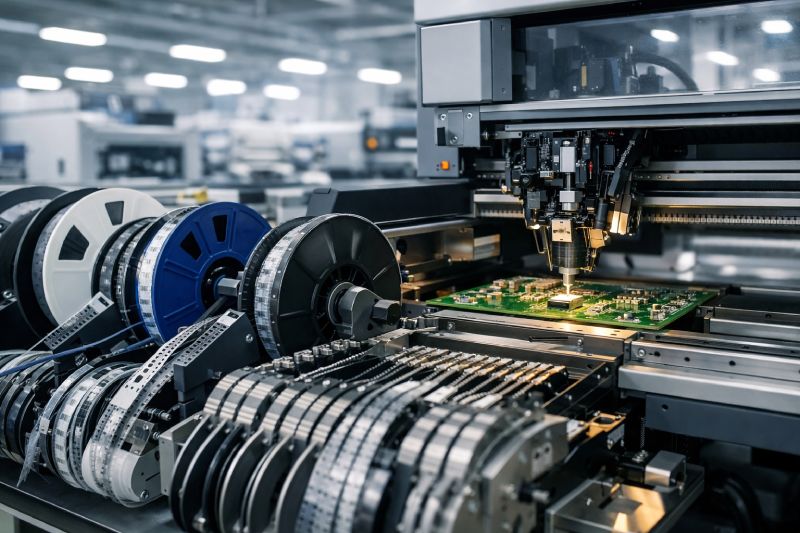
Tape and reel packaging provides exactly that. By storing electronic components in precisely spaced pockets within a carrier tape and sealing them with cover tape on reels, manufacturers can feed parts directly into SMT pick-and-place machines without manual handling. This packaging method ensures consistent component orientation, protects sensitive devices during transport, and supports continuous automated feeding. Today, tape and reel packaging has become the industry standard for distributing a wide range of electronic components, including integrated circuits, resistors, capacitors, LEDs, and sensors.
What Is Tape and Reel Packaging in Electronics Manufacturing
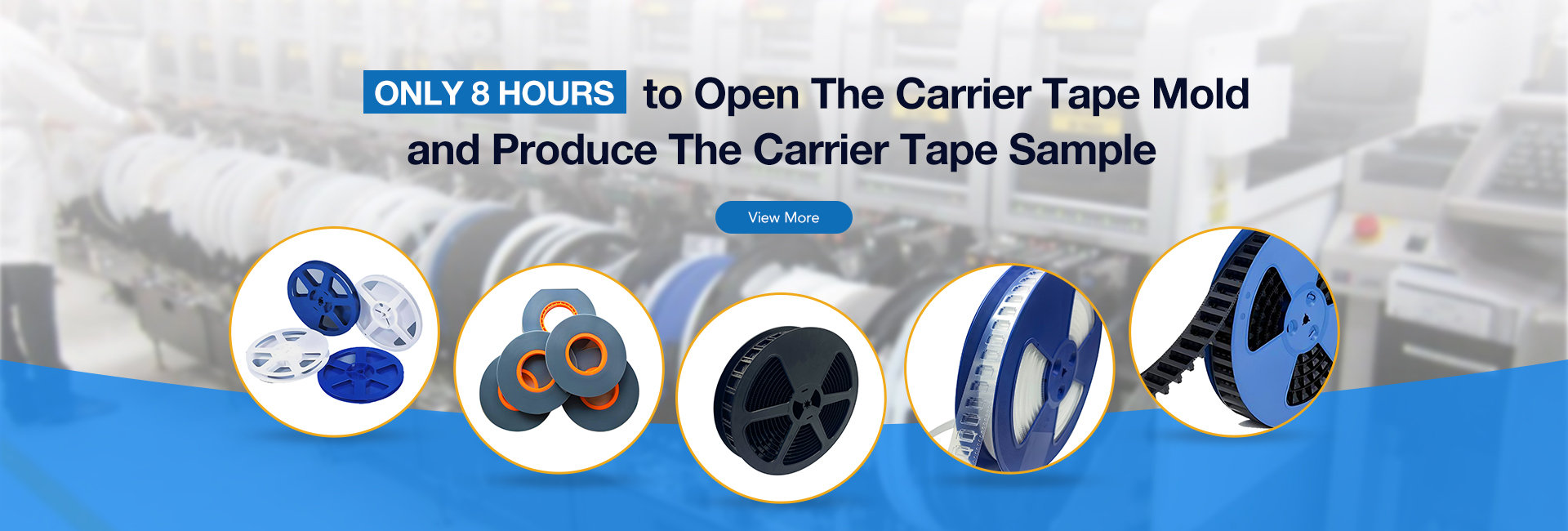
Tape and reel packaging is a standardized method used to package electronic components for automated assembly. Components are placed into cavities formed in a carrier tape, sealed with a protective cover tape, and wound onto a plastic reel. This format allows components to be fed continuously into SMT assembly equipment.
Basic Structure of Tape and Reel Packaging
A typical tape and reel package consists of several key elements:
Carrier Tape
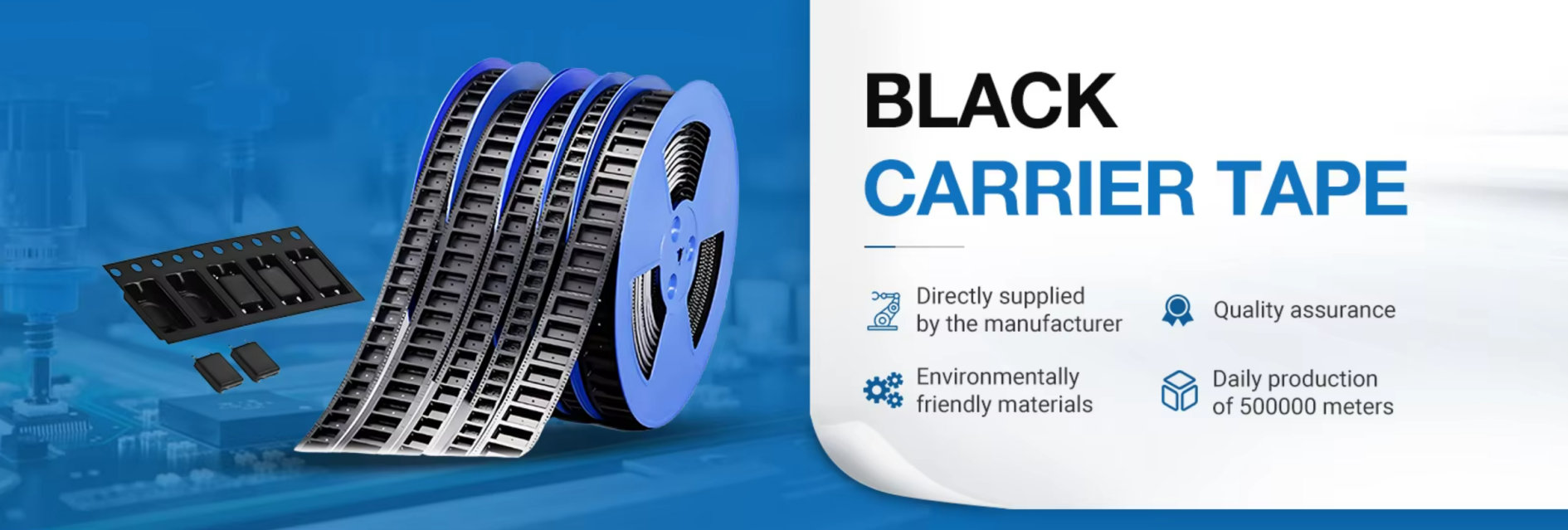
A plastic tape with embossed pockets designed to hold components securely.
Cover Tape
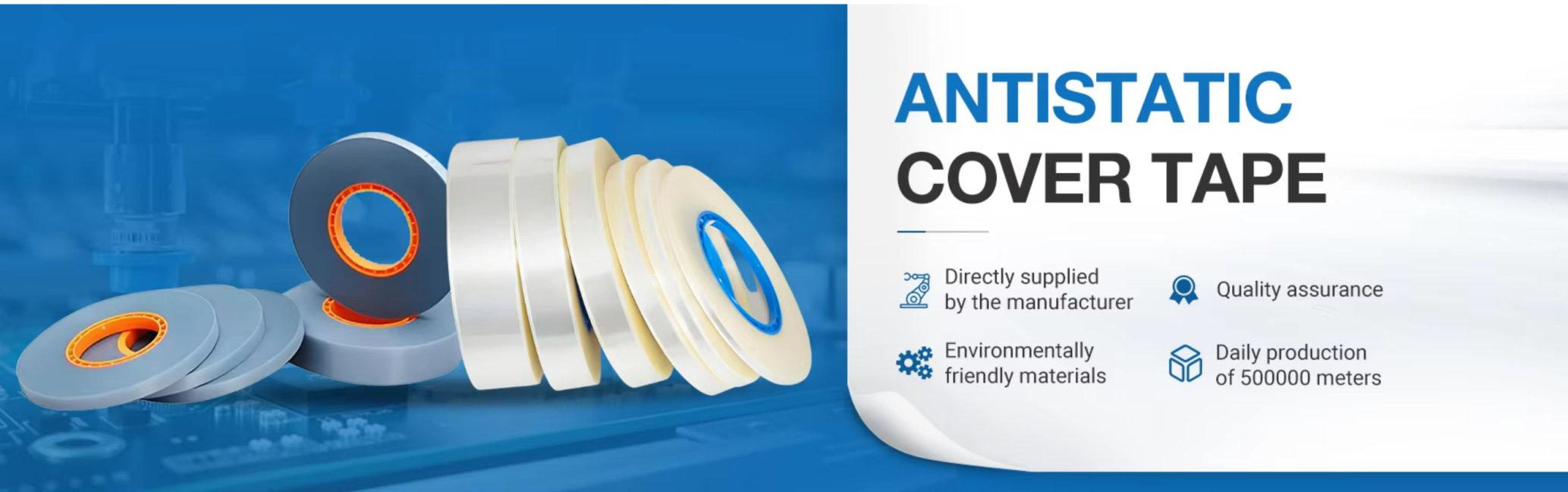
A thin sealing film that protects components while allowing controlled peeling during assembly.
Plastic Reel
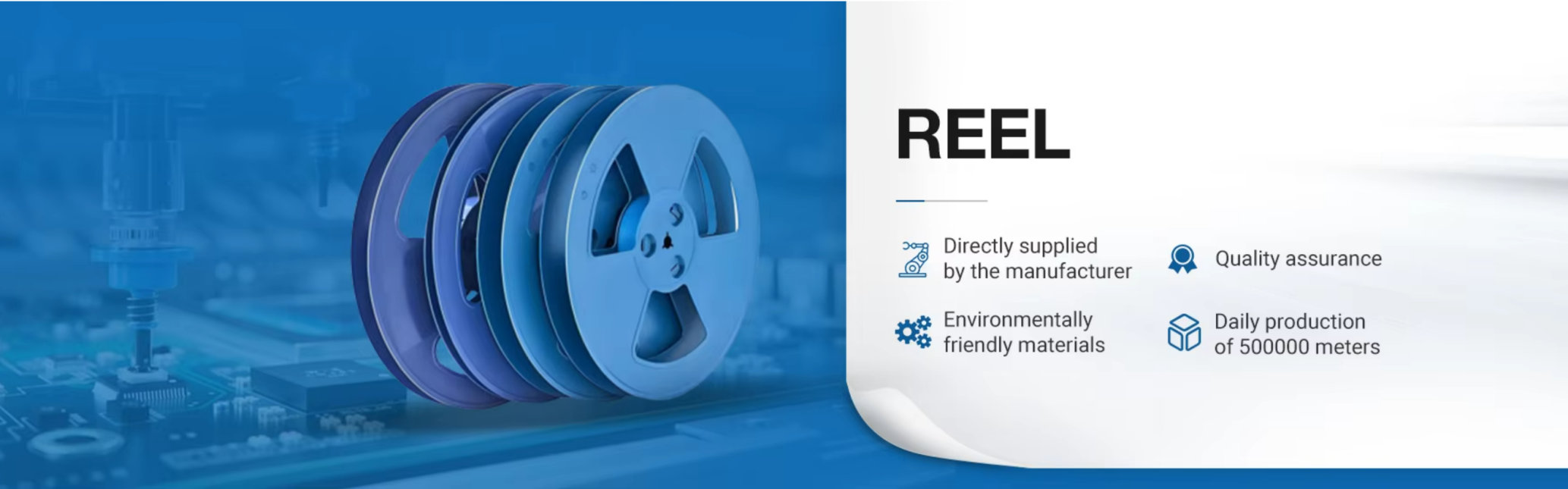
The spool that holds the carrier tape for feeding into SMT equipment.
Leader and Trailer Tape
Extra tape sections at the beginning and end of the reel used to support machine loading and unloading.
These elements work together to provide a stable, standardized component delivery format for automated production.
How Components Are Stored Inside the Tape
Each component sits inside an individual pocket formed in the carrier tape. These pockets are engineered to match the component’s shape and dimensions so that the part remains stable during shipping and handling.
Spacing between pockets—known as the pitch—is standardized so that pick-and-place machines can accurately locate each component during operation. Many tapes are also manufactured using anti-static materials to protect sensitive semiconductor devices from electrostatic discharge (ESD).

Why Tape and Reel Packaging Became the Standard for SMT Assembly
Tape and reel packaging became dominant as electronics manufacturing shifted from manual assembly toward high-speed automated production.
Transition From Manual Assembly to Automated SMT
Early electronics production often relied on manual component placement. Operators would pick components from bulk containers or tubes and insert them onto printed circuit boards. While workable for small-scale manufacturing, this process was slow and prone to human error.
As circuit boards became more complex and component counts increased, manufacturers needed faster and more reliable assembly methods. Surface Mount Technology emerged as the solution, enabling automated placement of tiny components directly onto the board surface.
The Rise of High-Speed Pick and Place Machines
Modern pick-and-place machines can place between 20,000 and 120,000 components per hour depending on the equipment and component type. To achieve this speed, the machine must access parts quickly and predictably.
Tape and reel packaging supports this process by providing:
-
consistent component orientation
-
uniform spacing between parts
-
continuous feeding capability
-
reliable machine indexing.
Without this standardized packaging format, automated SMT assembly would be far less efficient.
Key Advantages of Tape and Reel Packaging
Tape and reel packaging offers several advantages that make it ideal for modern electronics manufacturing.
The main advantages of tape and reel packaging include:
-
automated component feeding
-
component protection during transport
-
compatibility with high-speed production lines
-
standardized packaging formats
-
reduced handling errors.
Automation Compatibility
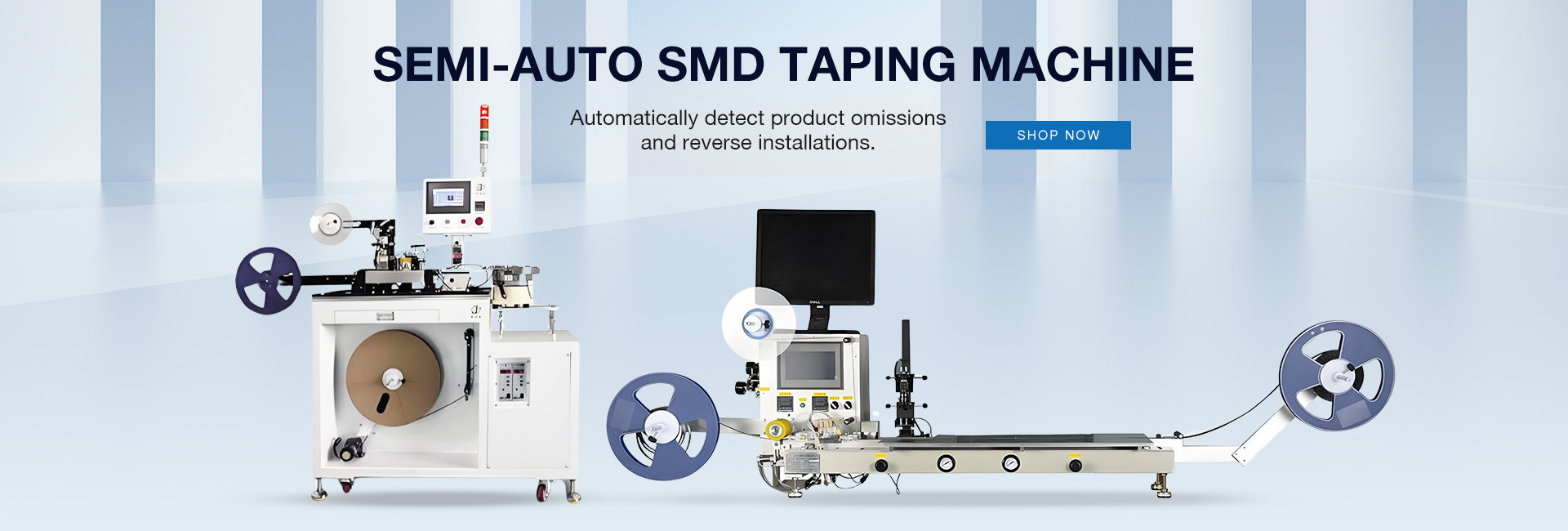
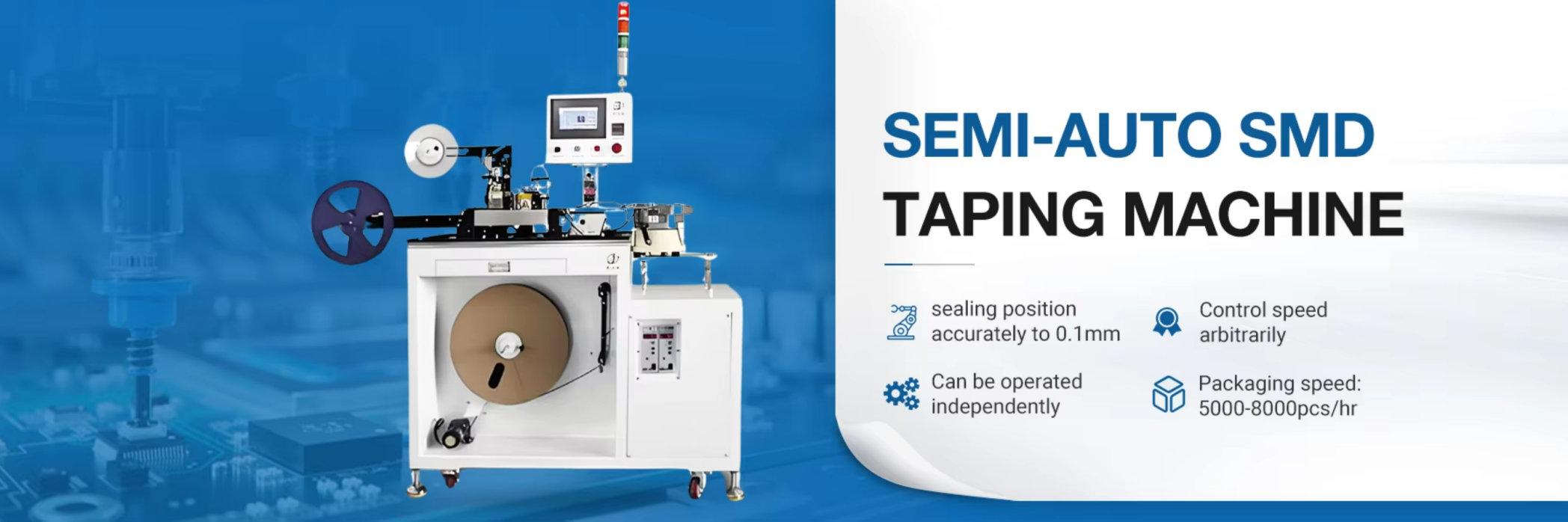
Tape and reel packaging is specifically designed for SMT feeders. The reel is mounted onto a feeder unit that indexes the tape forward one pocket at a time. The pick-and-place machine then removes each component from the exposed pocket.
This process allows continuous component supply without manual intervention.
Component Protection
Electronic components are sensitive to mechanical damage and environmental contamination. The sealed pocket structure protects parts from vibration, dust, and physical contact during transportation and storage.
Many carrier tapes are also manufactured using anti-static materials to prevent electrostatic discharge damage.
Production Efficiency
Reels can contain thousands of components, allowing production lines to run for extended periods without interruption. Operators only need to replace reels when they are empty, minimizing downtime.
This improves overall production throughput and factory productivity.
Global Standardization
Tape and reel packaging follows internationally recognized standards such as EIA-481, which defines tape dimensions, pocket spacing, reel sizes, and packaging requirements.
Standardization ensures that components packaged by different suppliers remain compatible with SMT assembly equipment worldwide.
How Tape and Reel Packaging Improves SMT Production Efficiency
In addition to enabling automation, tape and reel packaging plays a critical role in improving the efficiency of SMT production lines.
Continuous Component Feeding
Because components are arranged sequentially along the tape, pick-and-place machines can access parts in a predictable sequence. The feeder mechanism advances the tape automatically after each placement.
This continuous feeding method eliminates the need for manual component loading during production.
Reduced Machine Downtime
Changing reels is significantly faster than refilling component trays or bulk containers. Operators simply replace the empty reel with a new one and restart the feeder.
This reduces machine idle time and helps maintain high production throughput.
Lower Labor Requirements
Automated feeding systems reduce the need for manual handling of components. This not only lowers labor costs but also reduces the risk of human error during assembly.
As a result, manufacturers achieve higher consistency, improved product quality, and more efficient production operations.
Common Electronic Components Supplied in Tape and Reel
Tape and reel packaging is widely used across the electronics industry for many different types of components.
Passive Components
Small passive components such as resistors, capacitors, and inductors are almost always supplied in tape and reel format. These components are used in extremely large quantities in modern electronic devices.
Semiconductor Devices
Many semiconductor components are distributed using tape and reel packaging, including:
-
integrated circuits (ICs)
-
diodes
-
transistors
-
sensors.
The pocket design ensures that delicate semiconductor packages remain stable during handling.
LED and Optoelectronic Components
LED manufacturers commonly package devices in tape and reel to support automated LED assembly lines. The packaging protects optical surfaces while maintaining consistent orientation.
Small Connectors and Modules
Miniature connectors and specialized electronic modules can also be packaged in embossed carrier tapes designed to match their unique shapes and dimensions.
Tape and Reel Packaging vs Other Component Packaging Methods
While tape and reel packaging is the most common format for SMT components, other packaging methods are also used depending on the component type.
| Packaging Method | Typical Use | Automation Compatibility |
|---|---|---|
| Tape & Reel | SMT components | Excellent |
| Tray Packaging | Large ICs and BGAs | Good |
| Tube Packaging | Through-hole components | Moderate |
| Bulk Packaging | Low-cost components | Poor |
Tray packaging is often used for larger semiconductor packages such as BGAs or QFNs that require stable positioning. Tube packaging may be used for certain through-hole or larger surface-mount components.
However, tape and reel packaging remains the preferred format for high-volume SMT production because it provides the most efficient automated feeding solution.
Industries That Rely on Tape and Reel Packaging
Many industries depend on tape and reel packaging to support their electronics manufacturing operations.
Consumer Electronics
Devices such as smartphones, tablets, laptops, and wearable products contain hundreds of SMT components. Tape and reel packaging ensures that these components can be assembled efficiently at high production volumes.
Automotive Electronics
Modern vehicles rely on electronic control units, sensors, and power management systems. Automotive electronics manufacturing requires precise and reliable component feeding to maintain strict quality standards.
Industrial Electronics
Industrial control systems, robotics, and automation equipment also rely on SMT manufacturing processes supported by tape and reel packaging.
LED Lighting Manufacturing
LED lighting products often contain large numbers of small components assembled using high-speed SMT lines, making tape and reel packaging essential for efficient production.
Key Design Factors in Tape and Reel Packaging
Effective tape and reel packaging requires careful engineering to ensure compatibility with SMT production equipment.
Carrier Tape Pocket Design
The pocket must match the component’s dimensions precisely. Important design factors include:
-
pocket depth
-
cavity shape
-
component clearance
-
pocket pitch.
Proper pocket design prevents components from shifting or rotating during transportation.
Material Selection
Carrier tapes are typically manufactured using materials such as:
-
polystyrene (PS)
-
polyethylene terephthalate (PET)
-
polycarbonate (PC).
Each material offers different levels of strength, transparency, and ESD protection.
Cover Tape Peel Strength
The cover tape must maintain a reliable seal during shipping while still allowing smooth peeling during automated assembly.
Improper peel strength can lead to feeding errors or component loss.
ESD Protection
Many semiconductor devices are highly sensitive to electrostatic discharge. Anti-static carrier tape materials help protect components during handling and assembly.
Choosing the Right Tape and Reel Packaging for Your Components
Selecting the correct tape and reel packaging requires consideration of several technical factors.
Manufacturers should evaluate:
-
component size and geometry
-
SMT machine compatibility
-
ESD sensitivity
-
tape width and pocket dimensions
-
reel diameter and capacity.
Working with experienced packaging suppliers ensures that carrier tape designs meet industry standards and integrate smoothly with SMT production equipment.
Conclusion
Tape and reel packaging has become the standard method for delivering electronic components to modern manufacturing lines. By organizing parts into precisely spaced pockets and feeding them through automated systems, this packaging format enables the high-speed assembly required in today’s electronics industry.
Beyond automation, tape and reel packaging provides critical benefits including component protection, standardized compatibility with SMT equipment, and improved production efficiency. These advantages make it essential for manufacturing a wide range of electronic products, from consumer devices to automotive systems and industrial equipment.
For manufacturers seeking reliable and efficient SMT production, properly designed tape and reel packaging is not simply a packaging choice—it is a fundamental part of the electronics manufacturing process.



 Emial
Emial John Mr