
What Is Carrier Tape in Tape and Reel Packaging?
Introduction
Carrier tape is a critical component in modern electronics manufacturing, especially in high-speed Surface Mount Technology (SMT) assembly. It serves as the primary medium for organizing, protecting, and feeding electronic components during automated production. As part of the broader tape and reel packaging system—working together with cover tape and reels—carrier tape ensures components are delivered precisely and consistently to pick-and-place machines.
Without properly designed carrier tape, manufacturers risk component damage, misalignment, and costly production downtime. Whether you are handling ICs, resistors, LEDs, or connectors, understanding how carrier tape works is essential for improving yield rates and production efficiency. This guide explains everything you need to know, from structure and materials to standards and supplier selection.
What Is Carrier Tape?
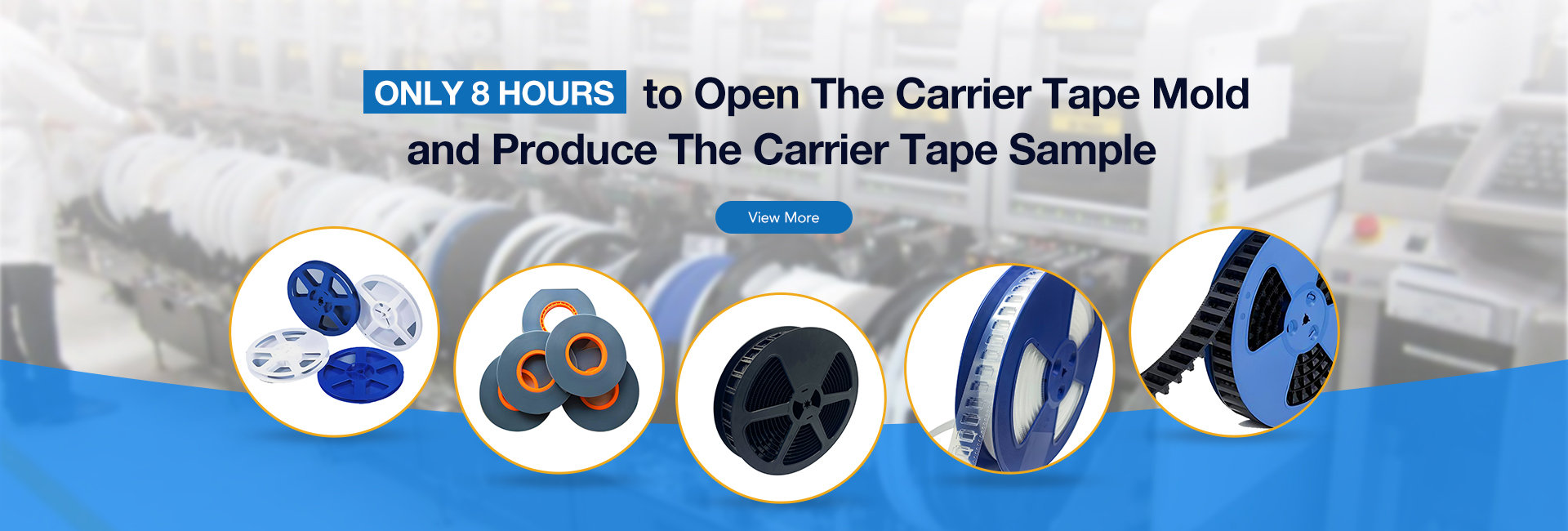
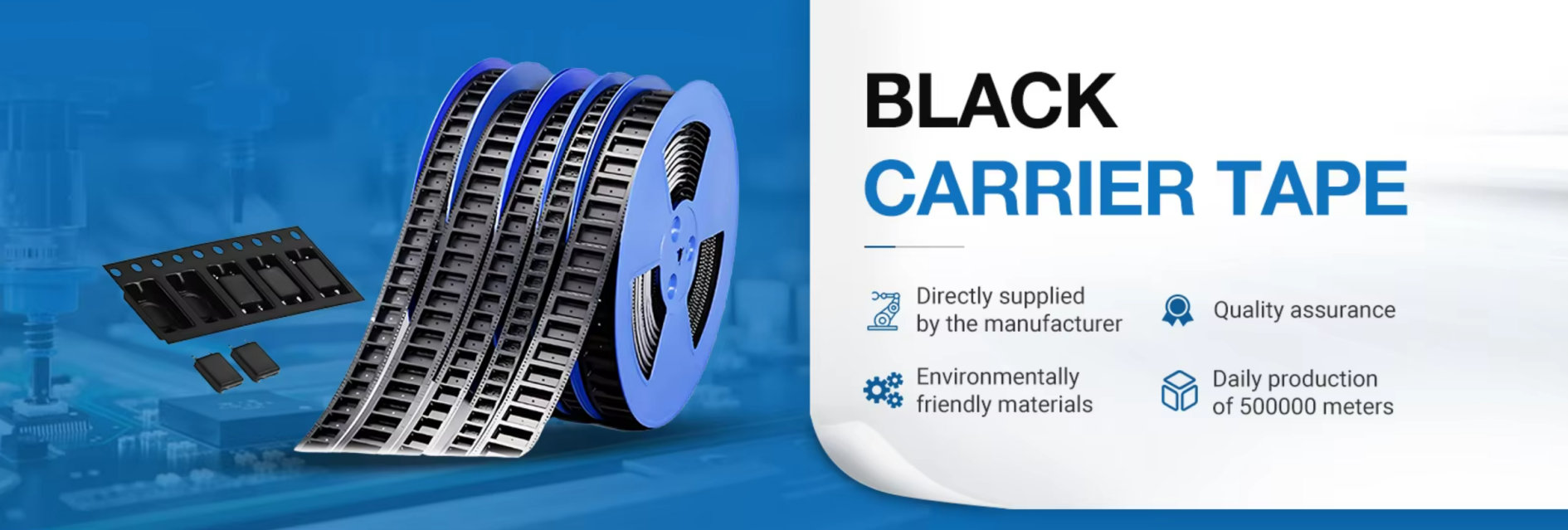
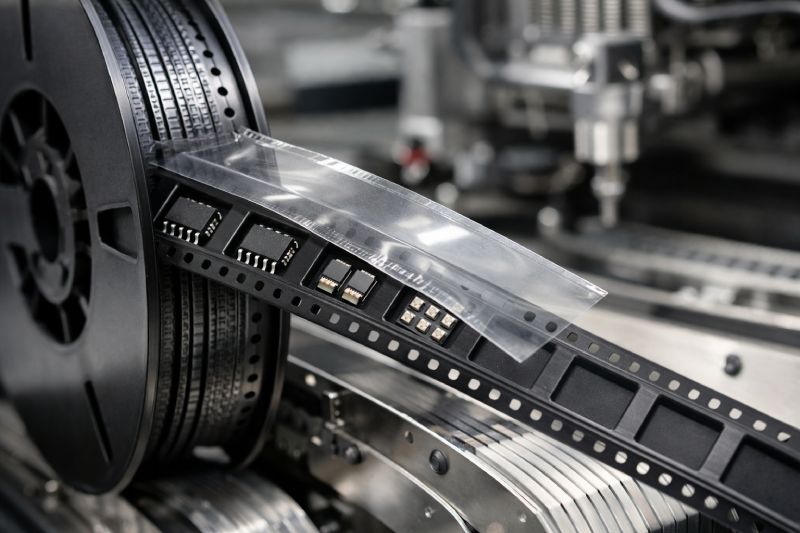
Carrier tape is an embossed or formed strip of material—typically plastic or paper—with precisely spaced pockets designed to hold electronic components for automated assembly.
At its core, carrier tape performs three essential functions:
- Component protection: Safeguards delicate parts from mechanical damage, contamination, and electrostatic discharge (ESD)
- Orientation control: Ensures components are consistently aligned for accurate pick-and-place operations
- Automated feeding compatibility: Enables smooth and continuous feeding into SMT machines
Carrier tape is always used alongside:
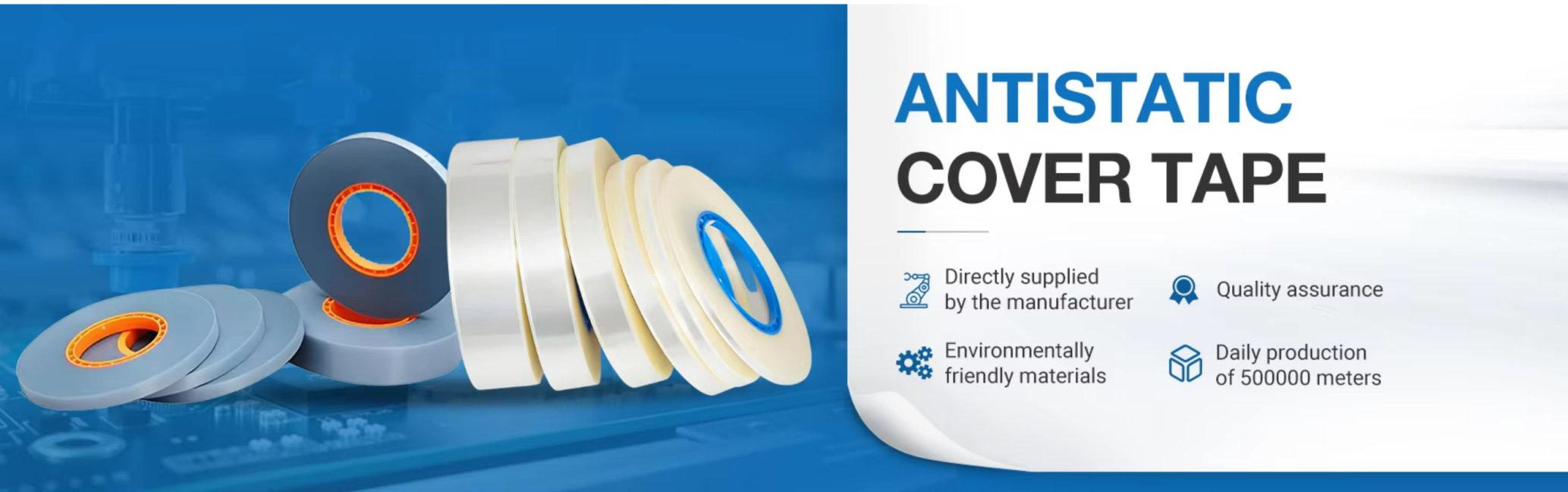
- Cover tape, which seals components داخل the pockets
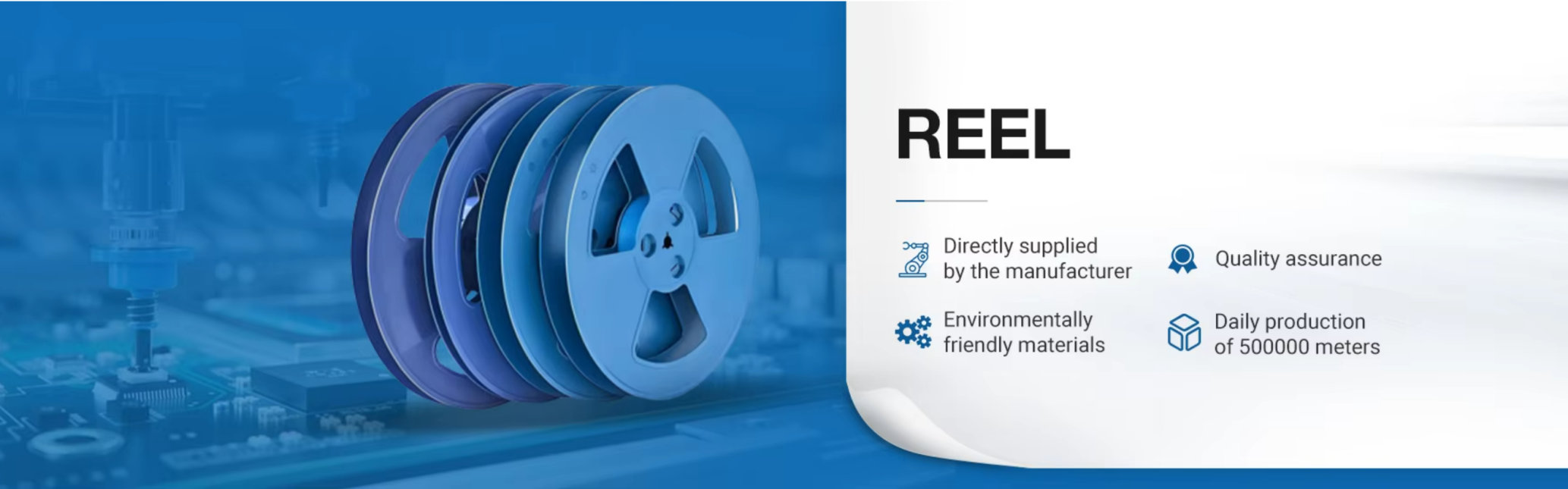
- Reels, which store and transport the tape efficiently
Together, these elements form the standardized tape and reel packaging system widely used in electronics manufacturing.
How Carrier Tape Works in Tape and Reel Packaging
The carrier tape system is designed for seamless integration into automated production lines. Here’s how the process works step by step:
- Component Loading: Electronic components are placed into individual pockets formed in the carrier tape
- Sealing: A cover tape is applied over the carrier tape to secure components داخل each pocket
- Reeling: The sealed tape is wound onto a reel for storage and transport
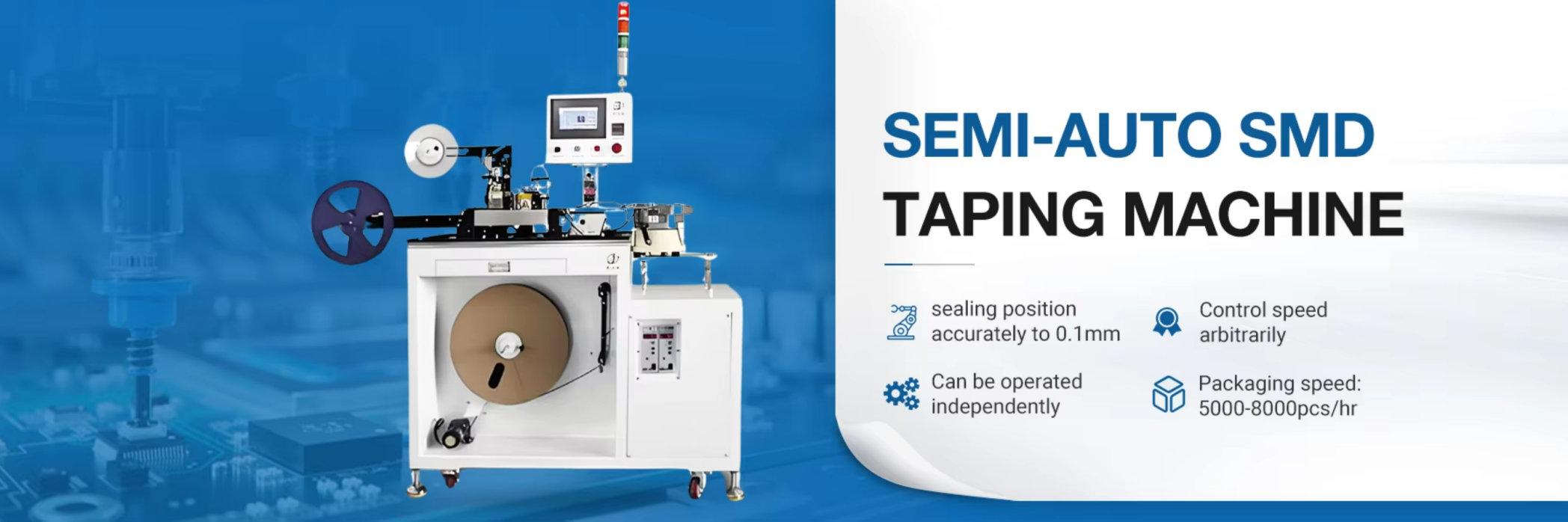
- Feeding: During assembly, the reel is mounted onto an SMT feeder system
- Pick-and-Place: The machine advances the tape using sprocket holes, removes the cover tape, and picks components for placement onto PCBs
Why this matters:
A stable and precise feeding process directly impacts placement accuracy, reduces machine stoppages, and improves overall production yield.
Structure of Carrier Tape
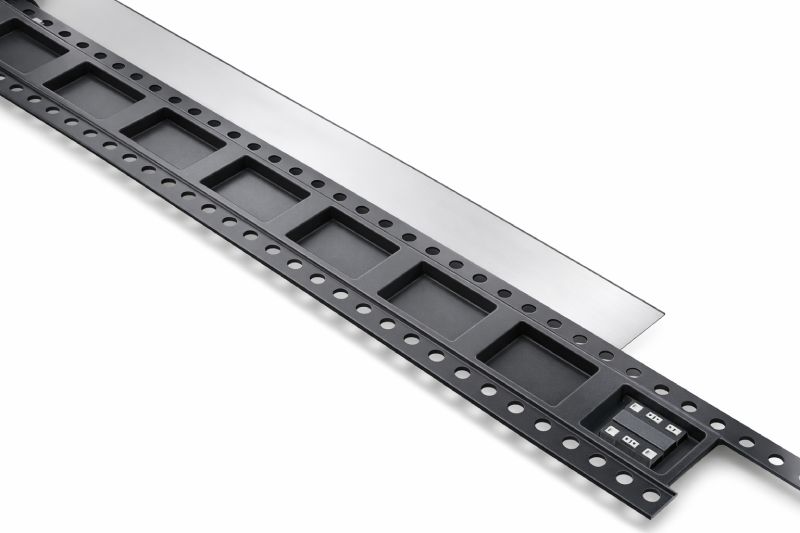
Carrier tape is engineered with high precision to ensure compatibility with automated systems. Its structure includes several key elements:
- Pocket cavity: Custom-shaped compartments that hold components securely
- Pitch: The distance between the centers of adjacent pockets, critical for synchronization with feeder systems
- Sprocket holes: Perforations along the tape edge that enable controlled movement through the feeder
- Tape width: Standardized widths such as 8mm, 12mm, 16mm, and wider formats
- Cover tape sealing area: Flat surfaces designed for reliable adhesion of the cover tape
Key Structural Functions
| Feature | Function |
|---|---|
| Holds and protects components | |
| Pitch | Ensures accurate feeding intervals |
| Sprocket holes | Drives mechanical movement |
| Tape width | Determines compatibility with feeders |
All these features are typically designed in accordance with the EIA-481 standard, ensuring interoperability across different machines and manufacturers.
Types of Carrier Tape Materials
Carrier tape materials directly influence performance, cost, and application suitability. The most common materials include:
Common Material Options
| Material | Strength | Cost | Typical Use Case |
|---|---|---|---|
| PS (Polystyrene) | Moderate | Low | Standard electronic components |
| PET (Polyethylene Terephthalate) | High | Medium | Precision components, better durability |
| PC (Polycarbonate) | Very High | High | High-temperature or high-precision applications |
| Paper | Low | Very Low | Passive components like resistors |
- PS is widely used due to its balance of cost and performance
- PET offers improved mechanical strength and dimensional stability
- PC is ideal for demanding environments requiring heat resistance
- Paper tape is often used for lightweight, low-cost components
Choosing the right material depends on component sensitivity, production speed, and environmental requirements.
Standard Sizes and Specifications (EIA-481 Overview)
Carrier tape dimensions and tolerances are governed by the EIA-481 standard, which ensures compatibility across global SMT systems.
Common Specifications
- Tape widths: 8mm, 12mm, 16mm, 24mm, 32mm
- Pocket pitch: Typically 2mm, 4mm, 8mm depending on component size
- Sprocket hole spacing: Standardized for feeder engagement
- Reel sizes: Designed to match tape width and length
- Tolerance control: Critical for high-speed automation
Example Standard Table
| Parameter | Typical Value |
|---|---|
| Tape width | 8mm–32mm |
| Pitch | 2mm / 4mm / 8mm |
| Hole spacing | Standardized |
| Compliance | EIA-481 |
Adhering to these specifications ensures smooth feeding, reduces misalignment, and guarantees compatibility with SMT equipment worldwide.
Applications of Carrier Tape in Electronics Manufacturing
Carrier tape is used across a wide range of electronic components and industries.
Common Components
- Integrated circuits (ICs)
- SMD resistors and capacitors
- LEDs
- Connectors
- Sensors
Industry Applications
- Consumer electronics: Smartphones, laptops, wearables
- Automotive electronics: Control units, sensors, safety systems
- Industrial equipment: Automation systems and control boards
Its versatility makes carrier tape an essential packaging solution for both high-volume and precision manufacturing.
Why Carrier Tape Is Critical for SMT Efficiency
Carrier tape plays a direct role in optimizing SMT production performance.
Key Benefits
- High-speed compatibility: Supports rapid automated assembly
- Reduced component loss: Secure packaging minimizes damage and loss
- Improved placement accuracy: Consistent orientation ensures precise pick-and-place
- ESD protection: Protects sensitive electronic components
- Scalability: Suitable for both small and large production runs
Poor-quality carrier tape can lead to feeder jams, mis-picks, and production downtime—resulting in increased costs and reduced efficiency. High-quality tape ensures stable operation and consistent output.
Common Problems with Carrier Tape (And How to Avoid Them)
Even small design or quality issues can disrupt SMT processes. Below are common problems and solutions:
Problem-Solution Table
| Problem | Cause | Solution |
|---|---|---|
| Misaligned pockets | Poor tooling precision | Use high-precision molds |
| Low peel strength | Improper cover tape bonding | Optimize sealing parameters |
| Component flipping | Incorrect pocket design | Redesign pocket geometry |
| Feeding issues | Inconsistent pitch or holes | Ensure EIA-481 compliance |
Regular inspection and testing—such as peel force testing and dimensional checks—are essential for maintaining quality.
Custom Carrier Tape vs Standard Carrier Tape
Choosing between standard and custom carrier tape depends on your application requirements.
Decision Guide
| Scenario | Recommended Option |
|---|---|
| Standard components | Standard carrier tape |
| Unique shapes or sizes | Custom carrier tape |
| High precision requirements | Custom design |
| Cost-sensitive production | Standard tape |
- Standard tape is cost-effective and readily available
- Custom tape ensures optimal fit, protection, and performance
For complex or sensitive components, custom solutions often provide better long-term value despite higher initial costs.
How to Choose the Right Carrier Tape Supplier
Selecting the right supplier is critical for ensuring consistent quality and performance.
Key Evaluation Criteria
- EIA-481 compliance: Ensures global compatibility
- Tooling capability: Ability to design precise pocket structures
- Material expertise: Knowledge of PS, PET, PC, and paper options
- Lead time: Fast turnaround for production needs
- Quality control: Inspection systems, testing procedures, and consistency
A reliable supplier should also offer engineering support, sample validation, and customization services. Partnering with the right manufacturer reduces risk and improves production stability.
FAQs
What is carrier tape used for?
Carrier tape is used to store, protect, and feed electronic components into SMT machines during assembly.
What materials are used in carrier tape?
Common materials include PS, PET, PC, and paper, depending on application requirements.
What is pocket pitch?
Pocket pitch refers to the spacing between adjacent pockets, which determines feeding accuracy.
What is EIA-481?
EIA-481 is an industry standard that defines carrier tape dimensions and specifications.
Can carrier tape be customized?
Yes, custom carrier tape can be designed for unique component shapes and requirements.
Conclusion
Carrier tape is a foundational element of tape and reel packaging, enabling efficient, accurate, and scalable SMT production. From pocket design and material selection to compliance with EIA-481 standards, every detail plays a role in ensuring reliable performance.
For manufacturers aiming to improve yield rates and reduce downtime, investing in high-quality carrier tape—and working with an experienced supplier—is essential. Whether using standard solutions or custom designs, the right carrier tape can significantly enhance your production efficiency and product quality.



 Emial
Emial John Mr