

Tape and Reel Packaging Process Explained: Step-by-Step Guide for SMT Manufacturing
Tape and reel packaging is the standard method used to prepare electronic components for automated SMT assembly. It is commonly used for ICs, LEDs, connectors, resistors, capacitors, and many other small parts that must be fed accurately into pick-and-place machines.
At first glance, the process looks simple: place the parts into a carrier tape and seal them with a cover tape. In reality, however, every stage of the tape and reel packaging process affects production efficiency. Incorrect pocket size, poor component orientation, weak cover tape sealing, or improper reel winding can all lead to feeding errors, damaged parts, and costly SMT line stoppages.

A complete tape and reel packaging process normally includes carrier tape selection, component loading, cover tape sealing, inspection, reeling, and final packaging. When each step is optimized, manufacturers can improve feeding reliability, reduce defects, and make SMT production faster and more stable.
What Is the Tape and Reel Packaging Process?
The tape and reel packaging process is a method of packaging electronic components into a continuous carrier tape so they can be automatically fed into SMT pick-and-place machines.
Each component is placed into an individual pocket formed in the carrier tape. A cover tape is then sealed over the top to keep the components in place. Finally, the tape is wound onto a plastic reel for shipping and machine loading.
The system usually consists of four basic materials:
-
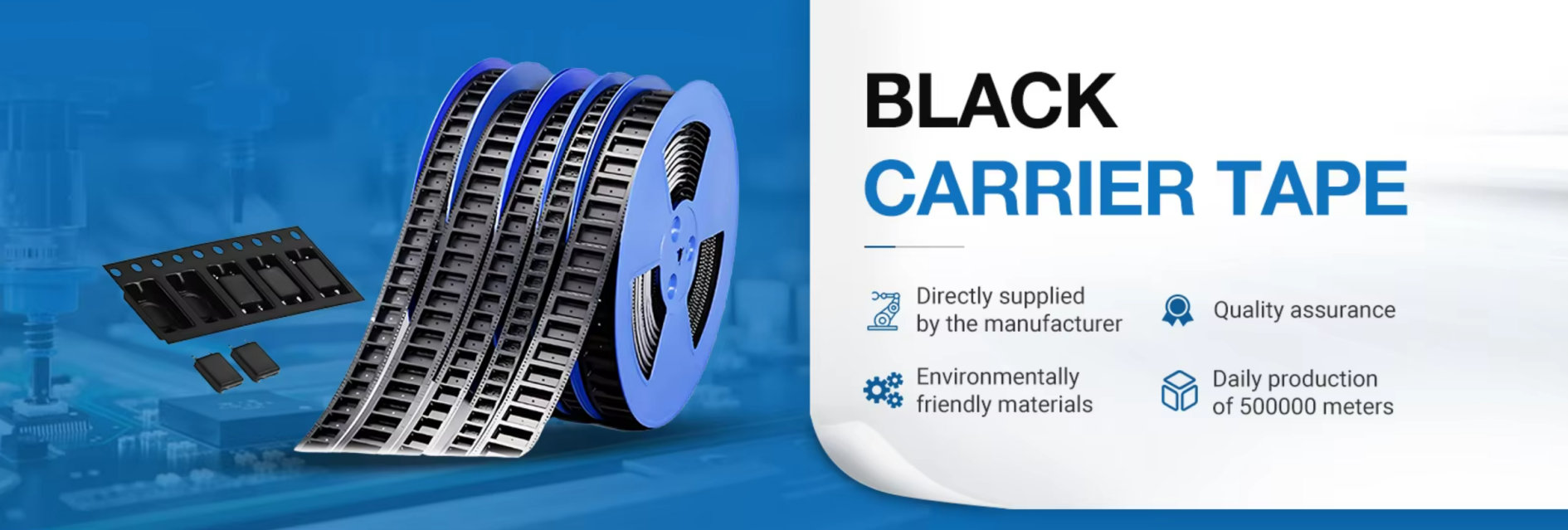
Carrier tape
-
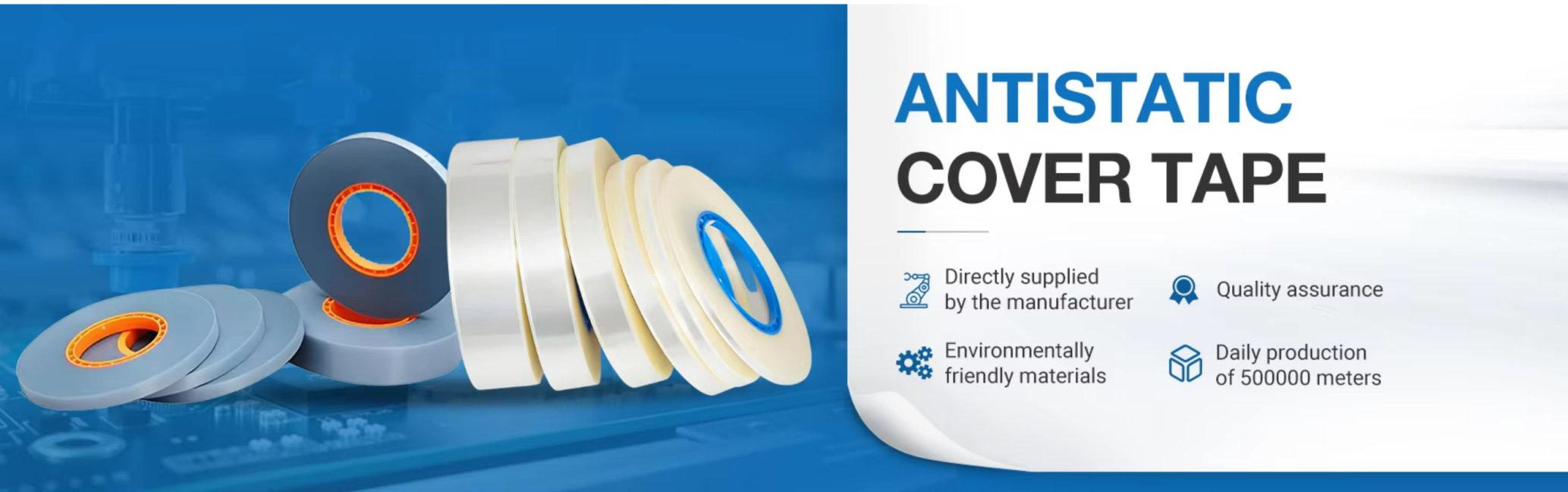
Cover tape
-
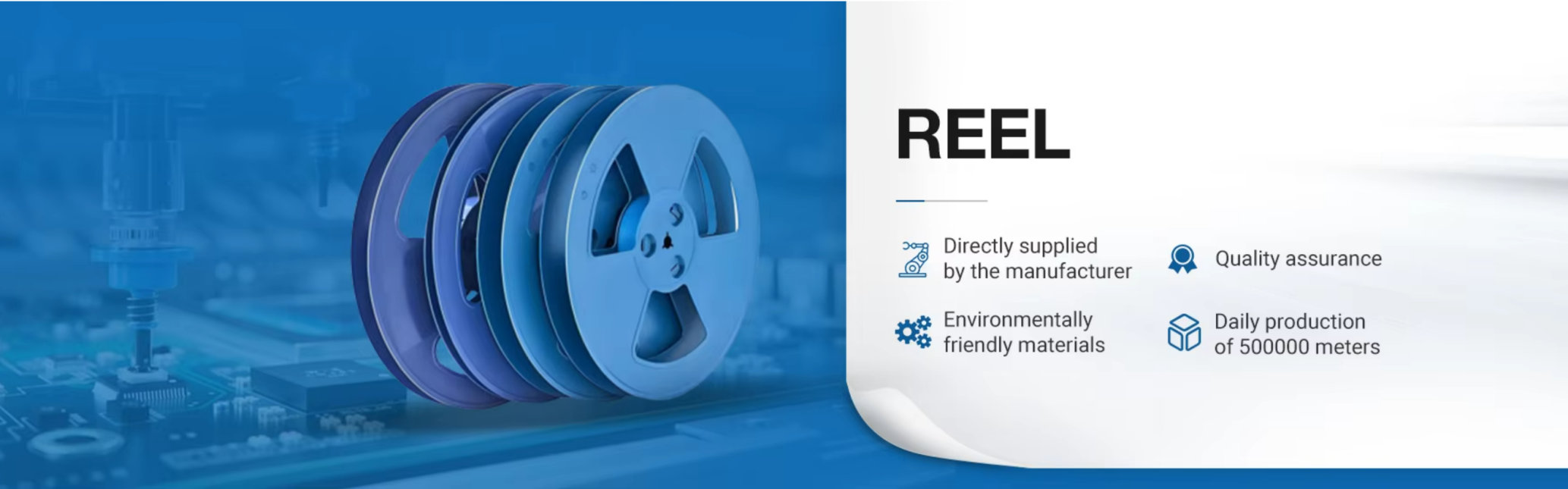
Plastic reel
-
Leader and trailer tape
The carrier tape contains the pockets that hold the components. The cover tape protects the components during transportation and SMT feeding. The reel allows the tape to be wound and loaded directly into automated feeders. Leader and trailer tape provide enough empty tape length at the beginning and end of the reel for smooth machine operation.
The typical process flow is:
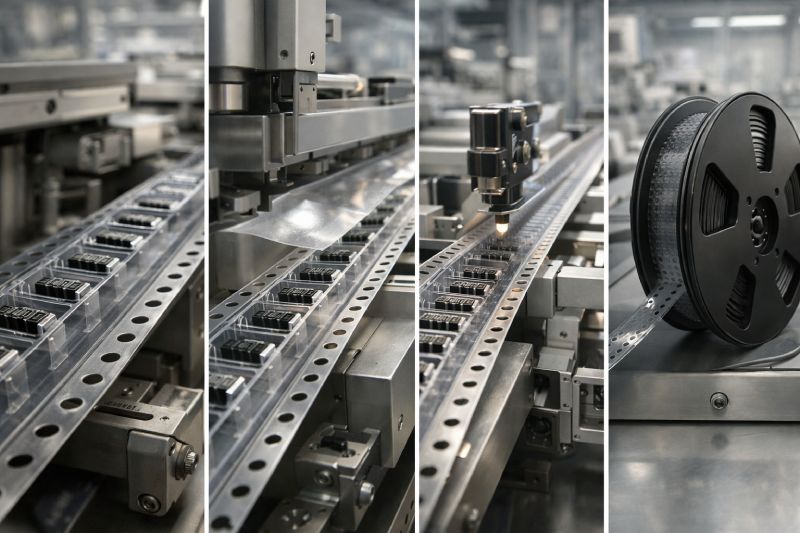
Component Feeding → Pocket Loading → Cover Tape Sealing → Inspection → Reeling → Final Packaging
Compared with bulk packaging or trays, tape and reel packaging offers better feeding speed, higher automation, lower labor cost, and reduced risk of component damage.
Step 1: Selecting the Right Carrier Tape and Reel
The tape and reel process begins with selecting the correct carrier tape and reel. This is one of the most important steps because even a well-designed packaging line cannot compensate for the wrong tape size or pocket design.
Carrier Tape Width and Pocket Design
Carrier tape is available in different widths, including 8 mm, 12 mm, 16 mm, 24 mm, 32 mm, and wider formats. The correct width depends on the size of the component.
Small chip components may only require 8 mm tape, while larger connectors or semiconductor packages may need 24 mm or 32 mm tape.
Pocket design is equally important. The pocket must match the component dimensions closely enough to prevent movement, but still allow easy pick-up by the SMT nozzle.
A proper pocket design typically considers:
-
Component length, width, and height
-
Pocket depth
-
Clearance between the component and the pocket wall
-
Orientation requirements
-
Pocket pitch and spacing
If the pocket is too large, the component may rotate or flip during shipping. If it is too small, the part may become stuck or damaged.
Reel Size Selection
The most common reel sizes are 7-inch and 13-inch reels.
A 7-inch reel is often used for prototypes, short production runs, or smaller quantities. A 13-inch reel is more common in mass production because it can hold a much larger amount of tape and reduces the need for frequent reel changes on the SMT line.
Larger reels improve production efficiency, but they also require compatible feeder equipment and more storage space.
Material Selection
Different carrier tape materials are used depending on the application.
-
PS material is often used for standard electronic components.
-
PET material offers better transparency and dimensional stability.
-
PC material is suitable for higher-temperature applications.
-
Conductive and anti-static materials are used for sensitive semiconductor devices.
-
Heat-resistant materials are required when the packaging process involves higher sealing temperatures.
Custom carrier tape is often necessary for unusual shapes, large connectors, semiconductor packages, LEDs, or fragile components that cannot fit standard pocket designs.
Step 2: Feeding and Loading Components into the Carrier Tape
After the correct carrier tape has been selected, the next step is to load the components into the tape pockets.
The loading method depends on the type of component, production volume, and required accuracy. Manufacturers may use manual loading, semi-automatic systems, or fully automatic equipment.
Common feeding methods include:
-
Vibratory bowl feeders
-
Tray feeders
-
Tube feeders
-
Robotic pick-and-place systems
-
Manual placement
Automatic vs Manual Loading
Manual loading is mainly used for low-volume production, sample orders, or components with unusual shapes. It requires less equipment investment, but it is slower and more likely to create orientation errors.
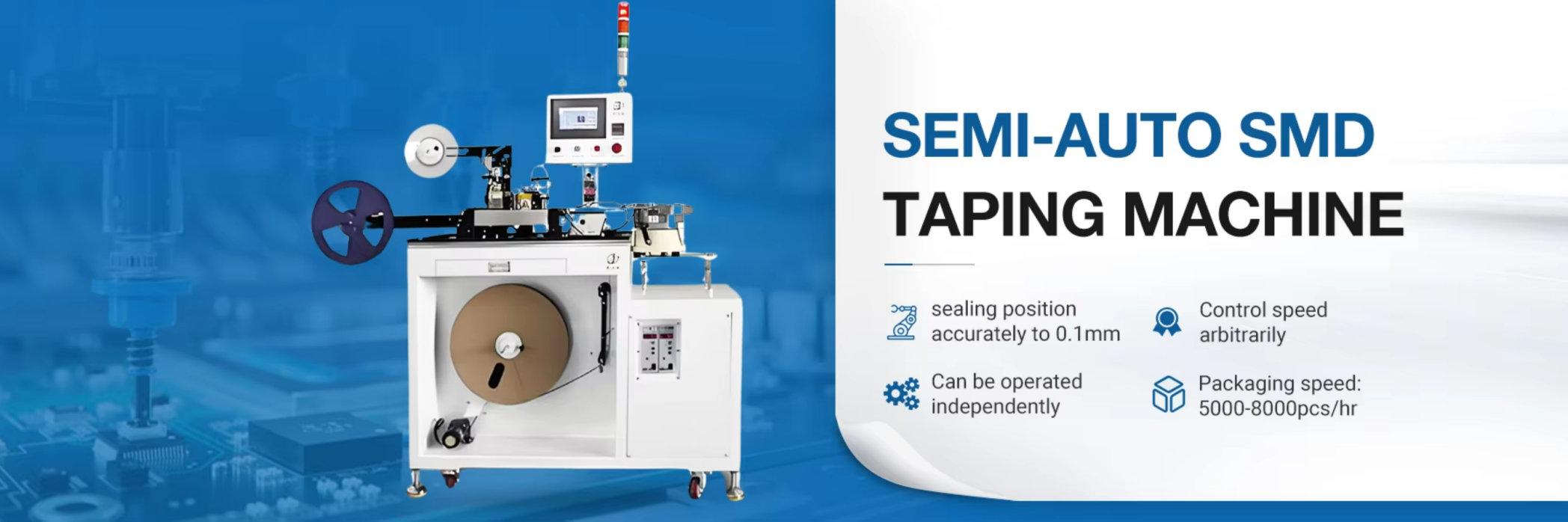
Automatic loading is more suitable for high-volume SMT production. Automated systems can place thousands of components per hour while maintaining consistent positioning.
For example, a fully automatic tape and reel machine may use a robotic arm or vision-guided feeding system to pick each component and place it into the correct pocket orientation.
Why Component Orientation Matters
Correct orientation is critical because SMT pick-and-place machines depend on a predictable component position.
If a connector, LED, IC, or polarized component is rotated incorrectly inside the pocket, the pick-and-place machine may fail to pick it up or place it incorrectly on the PCB.
Common orientation problems include:
-
Components rotated 90° or 180°
-
Components standing vertically inside the pocket
-
Mixed orientation within the same reel
-
Components placed upside down
These errors often result in line stoppages, higher reject rates, and manual rework.
For this reason, many tape and reel packaging lines include cameras or visual guides to verify the orientation before sealing the cover tape.
Step 3: Applying and Sealing the Cover Tape
Once the components are loaded into the carrier tape pockets, a cover tape is applied across the top surface. The purpose of the cover tape is to keep the components securely inside the pockets during shipping, handling, and SMT feeding.
There are two main types of cover tape used in tape and reel packaging:
-
Heat activated cover tape
-
Pressure sensitive cover tape
Heat Activated Cover Tape Process
Heat activated cover tape requires a sealing machine that applies controlled temperature and pressure.
The sealing head heats the adhesive layer of the cover tape and bonds it to the carrier tape surface. The temperature, pressure, and sealing speed must all be carefully controlled.
Heat activated cover tape is commonly used in high-speed automatic production because it provides:
-
More stable adhesion
-
Better peel consistency
-
Higher reliability for long-distance transportation
-
Better compatibility with automated SMT feeders
However, if the sealing temperature is too high, the carrier tape may deform. If the temperature is too low, the cover tape may not seal correctly.
Pressure Sensitive Cover Tape Process
Pressure sensitive cover tape does not require heat. Instead, it bonds to the carrier tape through pressure alone.
This type of cover tape is easier to use and requires simpler equipment. It is often used for:
-
Small production batches
-
Manual packaging
-
Special component applications
-
Situations where heat could damage the part
Although pressure sensitive cover tape is more convenient, it may provide less consistent peel force than heat activated cover tape.
Common Sealing Problems
Cover tape sealing problems are one of the most common causes of packaging failure.
Typical problems include:
-
Cover tape lifting at the edge
-
Weak sealing that allows components to escape
-
Excessive peel force during SMT feeding
-
Uneven sealing across the reel
-
Air bubbles or wrinkles under the cover tape
In many cases, these problems occur because the cover tape is not matched correctly with the carrier tape material. For example, a cover tape designed for PET carrier tape may not seal properly on PS carrier tape.
For the best results, the carrier tape material, cover tape type, sealing temperature, and peel force should all be tested together before mass production begins.
Step 4: Inspection and Quality Control
Inspection is one of the most important parts of the tape and reel packaging process. A small packaging defect may seem minor, but it can easily create expensive SMT production failures.
Every reel should be inspected before shipment.
Visual Inspection
The first stage is visual inspection. Operators or camera systems check the tape for:
-
Missing components
-
Incorrect orientation
-
Damaged pockets
-
Cracked or tilted components
-
Poor cover tape sealing
-
Foreign particles inside the pocket
Visual inspection is especially important for small semiconductor packages and irregularly shaped components.
Dimensional and Mechanical Testing
In addition to visual checks, manufacturers should test the mechanical performance of the tape and reel package.
Typical tests include:
-
Pocket dimension measurement
-
Carrier tape width and pitch verification
-
Cover tape peel force testing
-
Reel winding tension testing
-
Flatness and deformation inspection
The peel force of the cover tape is particularly important. If the peel force is too low, the components may fall out during transportation. If the peel force is too high, the SMT feeder may have difficulty opening the tape.
Automated Vision Inspection Systems
Many modern tape and reel packaging lines now use automated vision inspection systems.
These systems use cameras and image-processing software to inspect every pocket automatically. They can detect:
-
Missing parts
-
Wrong orientation
-
Double-loaded pockets
-
Pocket damage
-
Incorrect sealing
Automated inspection offers several advantages:
-
Faster inspection speed
-
More consistent results
-
Lower defect rate
-
Better production traceability
For high-volume production, automated inspection is usually much more reliable than manual inspection.
EIA-481 Standard Compliance
Most tape and reel packaging follows the EIA-481 standard. This standard defines important dimensions such as:
-
Carrier tape width
-
Pocket spacing
-
Sprocket hole position
-
Reel dimensions
-
Leader and trailer tape length
Following EIA-481 improves compatibility with SMT feeders worldwide and reduces the risk of feeding problems.
Step 5: Reeling, Labeling, and Final Packaging
After the components have been sealed and inspected, the tape is wound onto a plastic reel.
The winding process may appear simple, but correct winding tension is essential. If the tape is wound too tightly, the carrier tape can deform. If it is too loose, the tape may shift during shipping.
The reel also includes leader tape and trailer tape. These sections do not contain components. Instead, they provide enough empty tape at the beginning and end of the reel so the SMT feeder can load and unload smoothly.
After reeling, the finished reel is labeled. A typical label may include:
-
Part number
-
Quantity
-
Lot number
-
Date code
-
Reel number
-
Barcode or QR code
Finally, the reel is packed for shipment.
Depending on the component type, final packaging may include:
-
Anti-static bags
-
Vacuum packaging
-
Moisture barrier bags
-
Desiccant packs
-
Carton packaging
Semiconductor devices and moisture-sensitive components often require vacuum sealing and moisture barrier bags to prevent damage during storage and transportation.
Common Problems in the Tape and Reel Packaging Process
Even with a well-designed packaging system, problems can still occur. The table below shows some of the most common issues and how they can be solved.
| Problem | Typical Cause | Solution |
|---|---|---|
| Component flips inside the pocket | Pocket too large or wrong orientation design | Reduce pocket clearance and redesign the pocket shape |
| Components fall out during shipping | Weak cover tape sealing or low peel force | Use a compatible cover tape and increase sealing strength |
| Cover tape does not seal evenly | Incorrect temperature or incompatible material | Adjust sealing parameters and match materials correctly |
| Carrier tape deforms | Excessive heat or winding tension | Lower sealing temperature and reduce reel tension |
| Feeding jam in SMT machine | Incorrect tape dimensions or damaged sprocket holes | Verify tape dimensions according to EIA-481 |
| Reel wound in wrong direction | Incorrect reel setup during production | Follow standard winding direction requirements |
Most of these problems can be prevented through better tape design, proper material selection, and inspection before shipment.
Manual vs Automatic Tape and Reel Packaging
Manufacturers often choose between manual and automatic tape and reel packaging depending on production volume and budget.
| Factor | Manual Packaging | Automatic Packaging |
|---|---|---|
| Production speed | Low | High |
| Labor cost | High | Lower over time |
| Initial equipment cost | Low | Higher |
| Consistency | Moderate | Excellent |
| Suitable volume | Small batches and prototypes | Large-scale production |
| Error rate | Higher | Lower |
Manual packaging is usually the better option for prototypes, engineering samples, or low-volume orders.
Automatic packaging is more suitable for mass production because it offers faster speed, more stable quality, and lower long-term cost.
For companies that package large quantities of electronic components, a custom automatic tape and reel solution often delivers better reliability and a lower total production cost.
How to Choose the Right Tape and Reel Packaging Supplier
Choosing the right tape and reel packaging supplier is just as important as choosing the right materials.
A good supplier should do more than simply provide standard tape and reel products. They should understand your component requirements, SMT process, and packaging challenges.
Before selecting a supplier, ask the following questions:
-
Can they design custom carrier tape for your component?
-
Do they offer anti-static or semiconductor-grade materials?
-
What inspection equipment do they use?
-
Can they provide sample reels before mass production?
-
Are they familiar with EIA-481 and SMT feeder compatibility?
-
Can they support both low-volume and high-volume production?
Suppliers with in-house tooling, automated inspection, and engineering support are usually better prepared to handle difficult packaging requirements.
This is especially important for:
-
Connectors
-
LEDs
-
ICs
-
Semiconductor devices
-
Irregular or fragile components
A supplier that can provide a sample reel and verify the design before mass production will help reduce risk and prevent costly packaging errors.
If your components have unusual shapes or strict feeding requirements, requesting a custom tape and reel evaluation is often the best first step.
Frequently Asked Questions
What is the standard tape and reel packaging process?
The standard process includes selecting the carrier tape, loading the components, sealing the cover tape, inspecting the reel, winding the tape onto a reel, and final packaging for shipment.
How do I choose the correct carrier tape size?
The carrier tape size depends on the dimensions and shape of the component. The pocket should hold the component securely while still allowing easy pick-up by the SMT machine.
What is the difference between heat activated and pressure sensitive cover tape?
Heat activated cover tape uses heat and pressure to create a stronger seal. Pressure sensitive cover tape uses only pressure and is easier to apply, but it may provide less consistent peel force.
Why do components fall out of carrier tape pockets?
Components usually fall out because of weak cover tape sealing, low peel force, oversized pockets, or poor material compatibility.
What standards apply to tape and reel packaging?
The most common standard is EIA-481, which defines tape width, pocket spacing, reel size, and other dimensions required for SMT feeder compatibility.
Can tape and reel packaging be customized?
Yes. Custom tape and reel packaging is commonly used for connectors, LEDs, semiconductor devices, and other components that do not fit standard carrier tape designs.
Conclusion
The tape and reel packaging process is much more than simply placing parts into a tape. Every step, from pocket design and component orientation to cover tape sealing and final inspection, directly affects SMT production performance.
A well-designed tape and reel package improves feeding reliability, protects sensitive components, and reduces the risk of costly production problems.
For standard components, a simple tape and reel solution may be enough. But for irregular, sensitive, or high-value components, custom carrier tape design and proper process control are often necessary.
By working with an experienced supplier and testing the packaging process before mass production, manufacturers can achieve more reliable SMT feeding, fewer defects, and better overall production efficiency.



 Emial
Emial John Mr