
Tape and Reel Packaging Machines Explained: Types, Process & How to Choose
Tape and reel packaging machines are one of the most important pieces of equipment in modern SMT and electronics manufacturing. They automate the process of loading components into carrier tape, sealing the tape, and winding the finished strip onto a reel so the parts can be fed directly into pick-and-place machines.
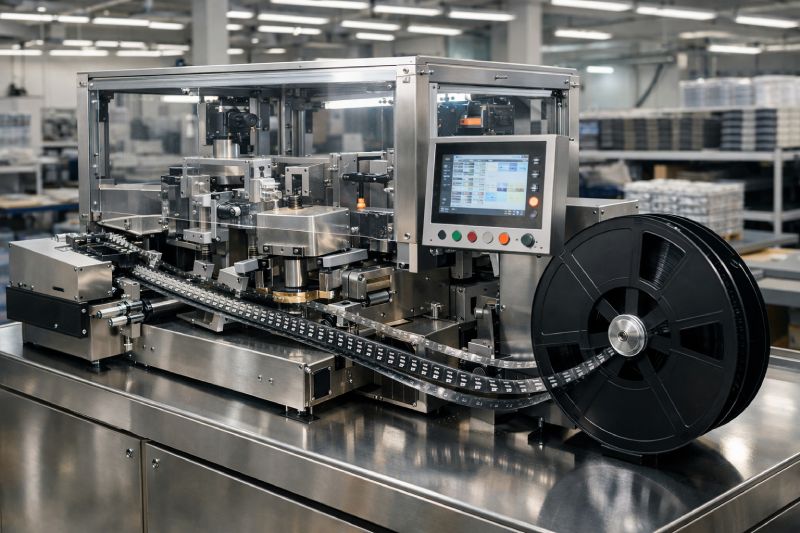
Without the right packaging machine, manufacturers often face slower production, damaged components, orientation problems, and higher labor costs. As production volume grows, manual handling quickly becomes impractical.
Whether you package ICs, LEDs, connectors, sensors, resistors, or custom-shaped components, understanding how tape and reel machines work can help you choose the right solution and avoid expensive mistakes.
If you are evaluating a new project, it is worth understanding not only the machine itself, but also how the carrier tape, cover tape, reel size, and component geometry work together.
What Is a Tape and Reel Packaging Machine?
A tape and reel packaging machine is a system designed to automatically place electronic components into carrier tape pockets, seal the tape with cover tape, and wind the completed tape onto a reel.
The finished reel can then be loaded directly into SMT feeders during PCB assembly.
A typical machine performs three basic tasks:
-
Feed the components into the machine
-
Place each component into the correct carrier tape pocket
-
Seal and wind the finished tape onto a reel
Compared with manual packaging, a tape and reel machine offers much greater accuracy and consistency. It ensures that every part is spaced correctly, aligned properly, and packaged in a format that SMT equipment can handle.
Manual packaging may still be acceptable for prototypes or very small production runs, but once production volume increases, most manufacturers switch to machine-based tape and reel packaging to improve speed and reduce defects.
Why Tape and Reel Packaging Machines Matter in SMT Manufacturing
In SMT production, packaging is not simply about storing components. The packaging directly affects whether the parts can be loaded into automated feeders and assembled correctly.
If the spacing between pockets is inconsistent, if the part orientation is wrong, or if the cover tape seal is weak, the feeder may jam or the component may be placed incorrectly.
Tape and reel machines solve these problems by creating consistent packaging every time.
| Manual Packaging | Tape and Reel Machine |
|---|---|
| Slow production speed | High-speed automated packaging |
| Higher risk of errors | Consistent orientation and spacing |
| Requires more labor | Lower labor cost |
| Difficult to scale | Suitable for large production runs |
| More variation between batches | Stable quality from batch to batch |
For low-volume prototype work, manual packaging may still be enough. However, once a project reaches regular production, using a tape and reel machine often becomes necessary.
Manufacturers usually begin considering automatic packaging when they need:
-
Faster throughput
-
Better compatibility with SMT feeders
-
Lower packaging defect rates
-
Reduced handling damage
-
More predictable production output
How a Tape and Reel Packaging Machine Works
Although different machine models vary in design, most follow the same process.
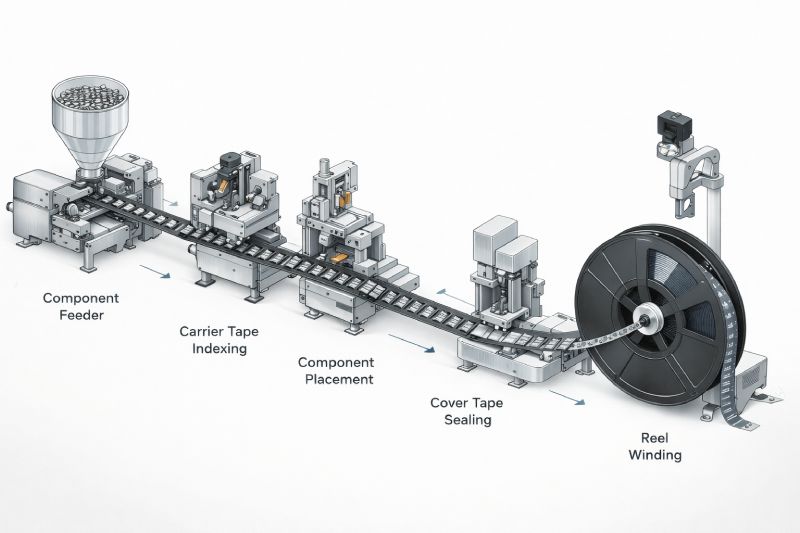
Step 1: Component Feeding
The machine first receives the components through a feeding system. Depending on the part type, the feeder may be:
-
Vibratory feeder
-
Bowl feeder
-
Tray feeder
-
Tube feeder
-
Manual loading station
Small passive components such as resistors or capacitors are often fed automatically at high speed. Larger connectors or fragile parts may require slower or custom feeding systems.
Step 2: Carrier Tape Positioning
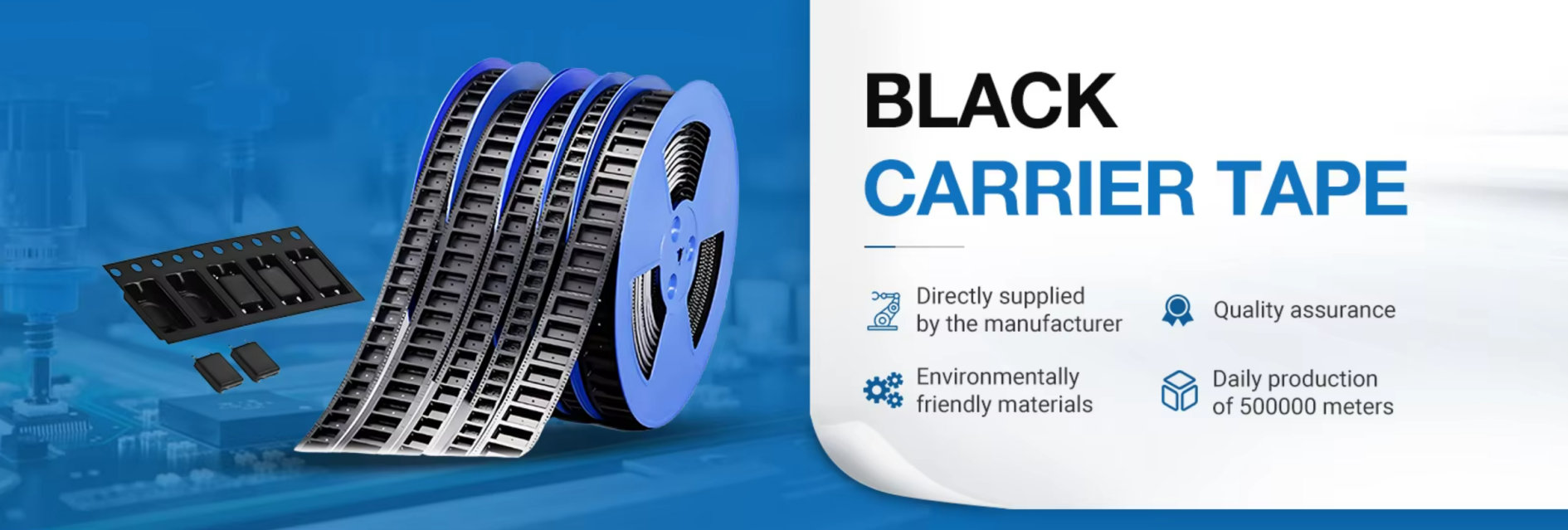
The machine advances the carrier tape one pocket at a time. Each pocket must line up precisely with the placement area.
This indexing process is extremely important because even a small positioning error can cause components to sit incorrectly inside the pocket.
The machine uses the sprocket holes on the tape to control the movement and maintain consistent pitch.
Step 3: Component Placement
Once the tape is aligned, the machine places the component into the pocket.
For some parts, this is a simple drop-in process. For others, especially polarized or asymmetrical components, the machine must ensure the correct orientation.
Examples include:
-
ICs that must face a specific direction
-
LEDs with polarity requirements
-
Connectors with unique shapes
Incorrect orientation can make the reel unusable in the SMT line.
Step 4: Cover Tape Sealing
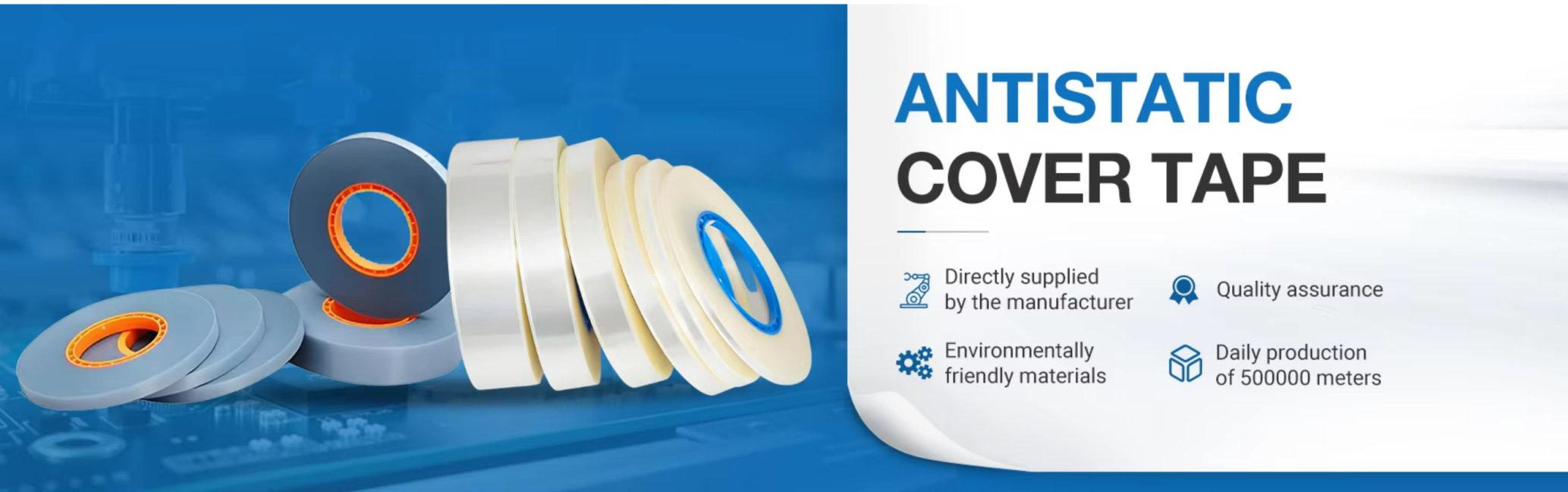
After the components are loaded, the machine seals the carrier tape using cover tape.
There are two common sealing methods:
-
Heat-activated cover tape
-
Pressure-sensitive cover tape
Heat-seal systems use temperature and pressure to bond the tape. Pressure-sensitive systems rely on adhesive.
The seal must be strong enough to keep the components inside the pockets, but not so strong that the SMT feeder cannot peel the cover tape during assembly.
Step 5: Reel Winding and Counting
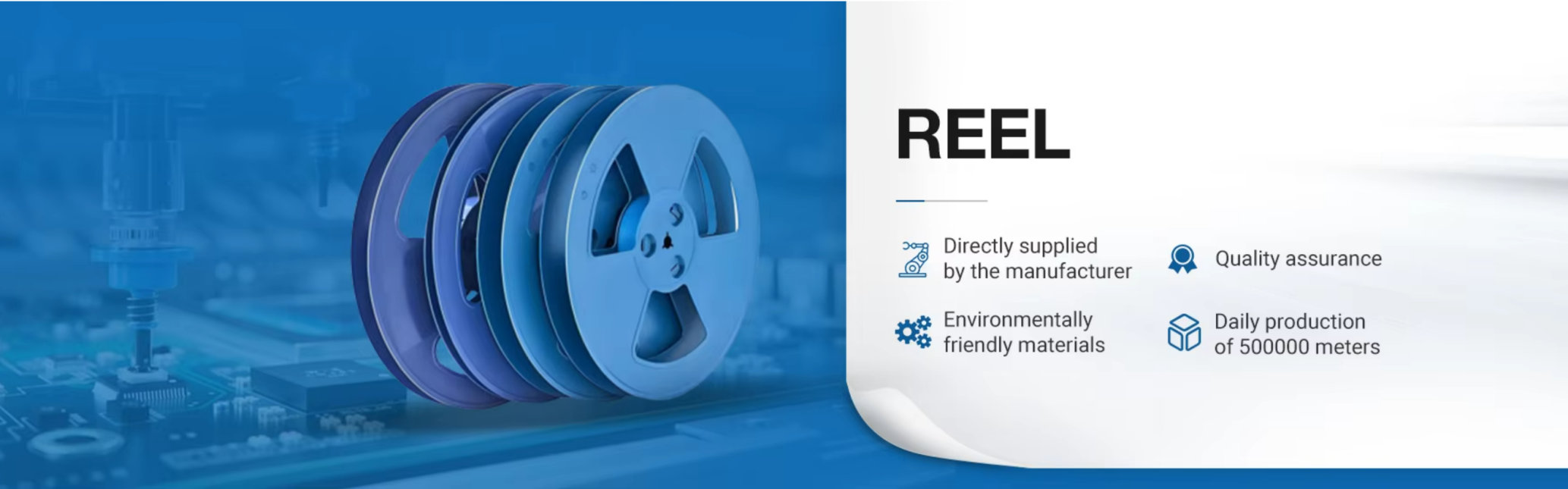
The finished tape is then wound onto a plastic reel.
Many machines include automatic counters that track the number of components packaged. Some systems also print labels or apply identification stickers.
Step 6: Inspection and Quality Control
Modern tape and reel packaging machines often include built-in inspection systems.
These may check for:
-
Missing components
-
Incorrect orientation
-
Pocket alignment problems
-
Seal quality
-
Damaged parts
Vision inspection cameras are especially useful in high-volume production because they reduce the chance of defective reels reaching the customer.
Main Types of Tape and Reel Packaging Machines
Different manufacturers require different levels of automation. Choosing the right machine depends on production volume, component type, and budget.
Manual Tape and Reel Machines
Manual machines are the simplest and lowest-cost option.
The operator loads the parts by hand and controls most of the process. These systems are usually used for:
-
Prototypes
-
Small production runs
-
R&D work
-
Expensive or delicate components packaged in low quantities
The advantage is low cost. The disadvantage is slow speed and greater dependence on the operator.
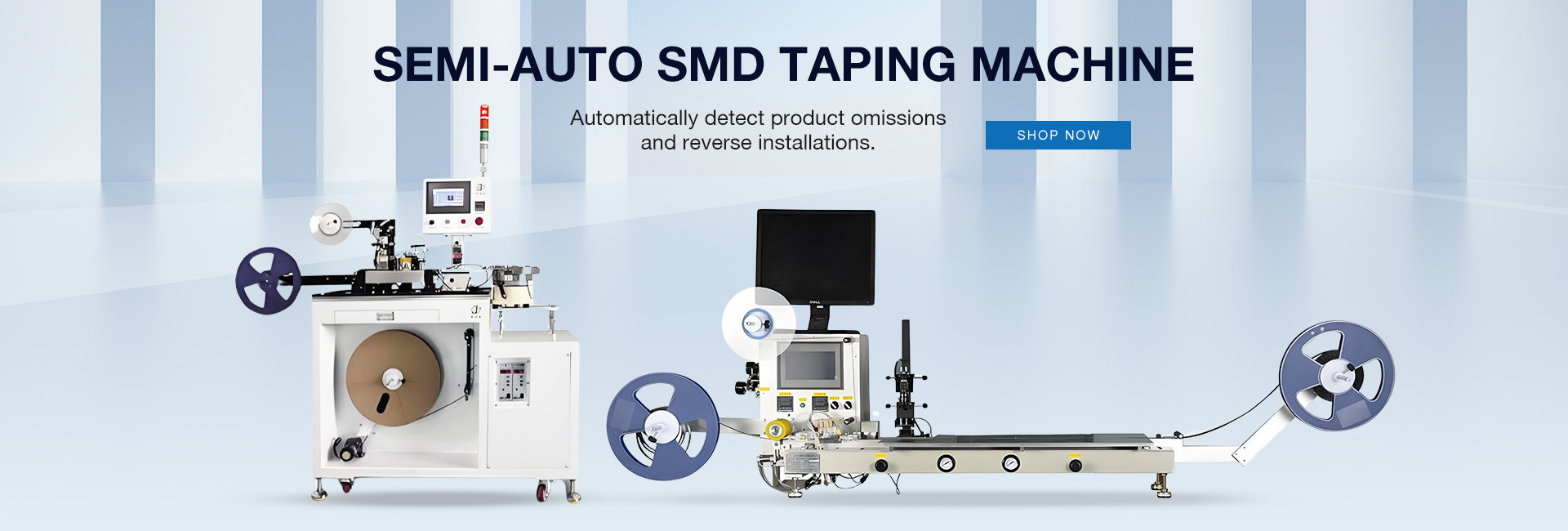
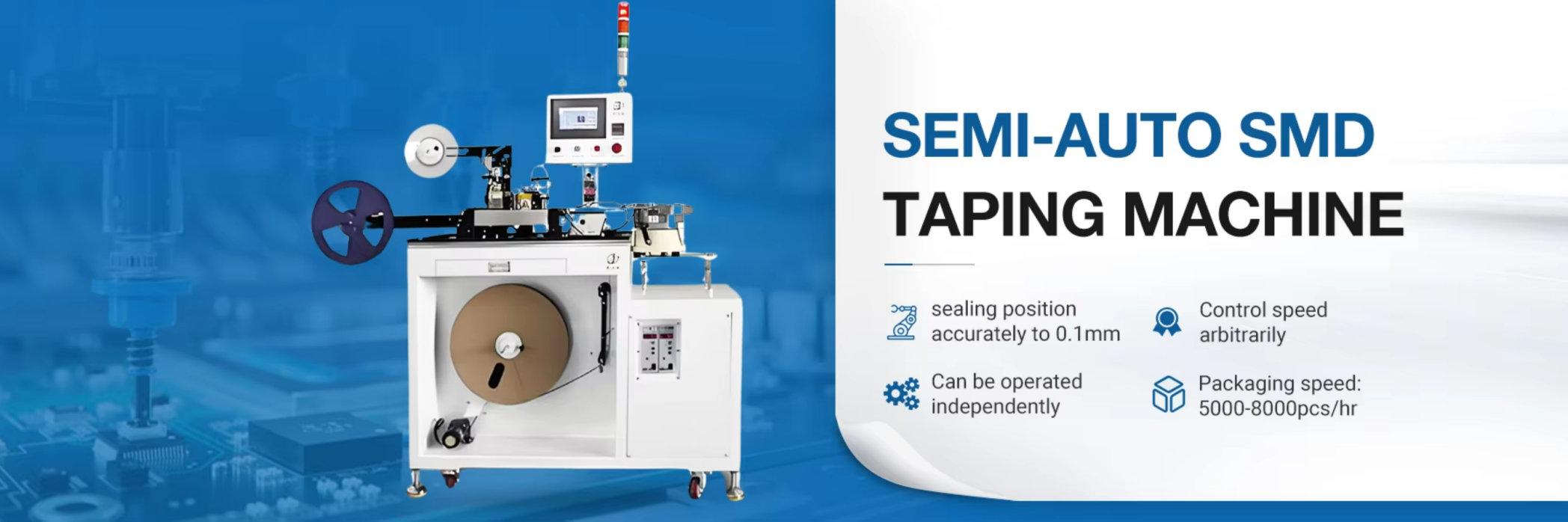
Semi-Automatic Tape and Reel Machines
Semi-automatic machines combine manual loading with automated sealing and winding.
In this setup, the operator places the components into the carrier tape while the machine controls the rest of the process.
These machines are often used when:
-
Production volume is moderate
-
Components are too complex for full automation
-
Manufacturers want to reduce cost while increasing output
Semi-automatic systems offer a good balance between flexibility and efficiency.
Fully Automatic Tape and Reel Machines
Fully automatic machines perform the entire process without manual intervention.
They can feed, orient, load, seal, inspect, count, and reel the components automatically.
These systems are best for:
-
High-volume SMT manufacturing
-
Standardized components
-
Continuous production
-
Large-scale electronics assembly
Although they require a larger initial investment, fully automatic systems usually provide the lowest cost per component over time.
Custom Machines for Special Components
Some components do not fit standard machines.
Examples include:
-
Large connectors
-
Odd-shaped parts
-
Medical devices
-
Automotive components
-
Parts with unusual polarity or handling requirements
In these cases, manufacturers often need custom tooling, special feeders, or a dedicated machine configuration.
| Machine Type | Best For | Speed | Investment |
|---|---|---|---|
| Manual | Prototype and low volume | Low | Low |
| Semi-Automatic | Medium production | Medium | Medium |
| Fully Automatic | High-volume production | High | High |
| Custom System | Special components | Varies | High |
The best machine is not always the fastest one. It should match the component, the expected production volume, and the packaging requirements.
Key Components Inside a Tape and Reel Packaging Machine
Understanding the internal parts of the machine can help buyers compare different models.
Feeding and Placement Unit
This section of the machine controls how components enter the system and how they are placed into the carrier tape.
The design of the feeder often changes depending on the component shape and size.
Carrier Tape Indexing System
The indexing system advances the tape at the correct pitch. It ensures that every pocket stops at exactly the right location for loading.
High accuracy is critical because misalignment can create missing parts, damaged components, or inconsistent spacing.
Sealing Unit
The sealing station applies the cover tape after the components are loaded.
The machine may include adjustable temperature, pressure, and speed settings so the operator can optimize the seal for different tape materials.
Reel Winding Unit
After sealing, the machine winds the finished tape onto the reel.
The winding tension must remain stable. If the tension is too high, the tape may deform. If it is too low, the reel may become loose or uneven.
Inspection and Control System
Most advanced machines include:
-
Vision cameras
-
Sensors
-
PLC controls
-
Touchscreen interfaces
These features make the machine easier to operate and help maintain stable quality.
Which Components Can Be Packaged?
Tape and reel packaging machines can handle many different electronic components, including:
-
Integrated circuits (ICs)
-
LEDs
-
Resistors and capacitors
-
Connectors
-
Transistors
-
Sensors
-
Switches
-
Relays
-
Custom-shaped parts
However, not every component uses the same tape.
The machine setup must match:
-
Carrier tape width
-
Pocket depth
-
Pocket shape
-
Reel diameter
-
Feeding method
For example, a small SMD resistor may use an 8 mm carrier tape, while a large connector may require a much wider tape with deeper pockets.
Static-sensitive parts may also need anti-static carrier tape to protect them during handling and transportation.
Common Problems and Defects
Even good machines can produce defects if the setup is incorrect.
The most common tape and reel packaging problems include:
| Problem | Possible Cause | Solution |
|---|---|---|
| Missing components | Feeding error | Adjust feeder or sensor |
| Incorrect orientation | Wrong loading direction | Modify guide or orientation system |
| Weak seal | Incorrect temperature or pressure | Adjust sealing settings |
| Cover tape too strong | Wrong cover tape selection | Use a more suitable tape |
| Component damage | Pocket too small | Redesign the carrier tape |
| Loose reel winding | Low winding tension | Adjust reel settings |
Another common issue is static electricity.
Sensitive components can be damaged during packaging if the carrier tape or machine does not provide sufficient ESD protection.
Regular machine maintenance and testing are important because many packaging defects are caused by worn tooling, incorrect settings, or poor alignment.
How to Choose the Right Tape and Reel Packaging Machine
Before purchasing a machine, manufacturers should evaluate several factors.
Consider the Component Type
Small, standard parts are easier to package automatically. Large, fragile, or unusual components may need a custom system.
Estimate Production Volume
A low-cost manual machine may be enough for prototype work, but it becomes inefficient for larger production.
As a general rule:
-
Prototype or small batch: manual machine
-
Medium volume: semi-automatic machine
-
Large-scale production: fully automatic machine
Determine the Required Speed
Ask how many components need to be packaged per hour.
A machine that is too slow will limit production. A machine that is too large or complex may cost more than necessary.
Match the Machine to the Tape and Reel Size
The machine must support the required:
-
Tape width
-
Pocket size
-
Reel diameter
-
Cover tape type
Not every machine can handle every tape format.
Evaluate Supplier Support
Good supplier support is often just as important as the machine itself.
Look for a supplier that can provide:
-
Carrier tape design support
-
Machine setup assistance
-
Spare parts
-
Training
-
Technical troubleshooting
Before buying, use this checklist:
-
Component dimensions confirmed
-
Required output per hour known
-
Carrier tape width selected
-
Cover tape type confirmed
-
Reel size confirmed
-
Future production growth considered
The right machine should support both your current project and future expansion.
What Affects Tape and Reel Packaging Machine Cost?
The price of a tape and reel packaging machine depends on several factors.
| Cost Factor | Effect on Price |
|---|---|
| Higher automation | Increases price |
| Vision inspection system | Increases price |
| Custom feeders or tooling | Increases price |
| Higher production speed | Increases price |
| Standard component size | Reduces price |
Manual machines have the lowest initial cost, while fully automatic systems require a larger investment.
However, high-volume manufacturers often recover that investment through:
-
Lower labor cost
-
Faster production
-
Fewer packaging defects
-
Reduced waste
Custom components may also increase cost because they require unique carrier tape tooling or special feeding systems.
Instead of focusing only on the purchase price, manufacturers should consider the total cost over the lifetime of the machine.
Frequently Asked Questions
What is the difference between a tape and reel machine and a carrier tape machine?
A tape and reel machine is the complete packaging system. A carrier tape machine may refer only to the part of the system that forms or handles the carrier tape.
Can one machine package different component sizes?
Many machines can support multiple tape widths and component sizes, but they may require different tooling or setup changes.
Are tape and reel machines suitable for low-volume production?
Yes. Manual and semi-automatic machines are often used for prototypes and small production runs.
What is the difference between heat-seal and pressure-sensitive cover tape?
Heat-seal cover tape uses temperature and pressure to create the bond. Pressure-sensitive cover tape uses adhesive and usually works at lower temperature.
How often should a tape and reel packaging machine be maintained?
Most machines should be inspected and cleaned regularly. Critical parts such as feeders, sealing heads, and sensors should be checked according to the manufacturer‘s schedule.
Can custom-shaped components be packaged automatically?
Yes. However, they often require custom carrier tape pockets, special tooling, or a modified machine.
Conclusion
Tape and reel packaging machines play a critical role in SMT manufacturing because they make component packaging faster, more accurate, and more reliable.
The right machine depends on the type of component, the required production volume, and the carrier tape format. Some projects only need a simple manual system, while others require a fully automatic packaging line with vision inspection and custom tooling.
Choosing the correct machine is not only about speed or cost. It is about finding a solution that matches your components, your production goals, and your future growth.
When manufacturers work with an experienced tape and reel packaging supplier, they can reduce defects, improve SMT compatibility, and avoid expensive packaging problems before production begins.



 Emial
Emial John Mr