
Tape and Reel Packaging Cost Factors: Complete Pricing Breakdown & Cost Reduction Guide
In electronics manufacturing, packaging is no longer just a downstream process—it directly impacts production efficiency, product quality, and total supply chain cost. For OEMs, EMS providers, and component suppliers, understanding tape and reel packaging cost factors is essential for making informed sourcing decisions.
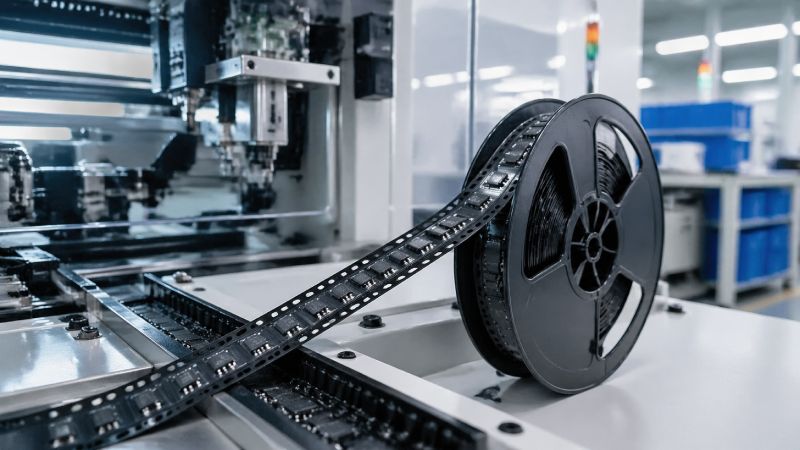
As component miniaturization increases and SMT production speeds continue to rise, packaging requirements have become more precise—and often more expensive. However, not all costs are obvious. Some are embedded in design complexity, tooling, or quality control processes.
This guide breaks down the real cost drivers behind tape and reel packaging in 2026, helping you identify where your money goes—and more importantly, how to optimize it.
Quick Answer — What Determines Tape and Reel Packaging Cost?
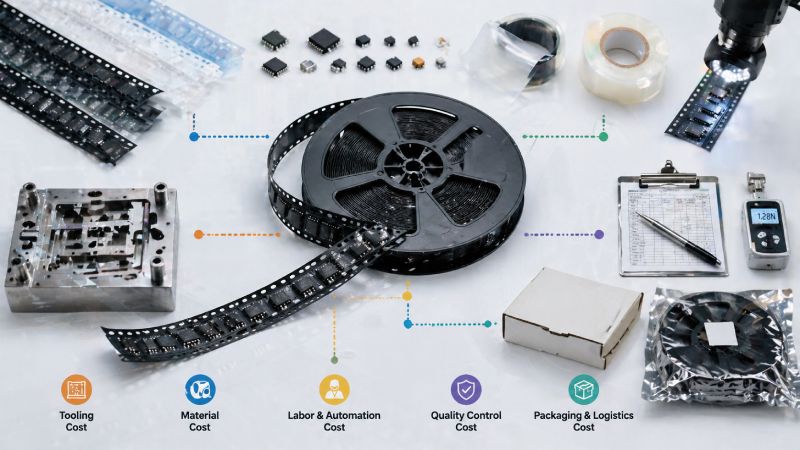
The cost of tape and reel packaging is influenced by several key factors:
- Carrier tape material and design complexity
- Component size, shape, and handling requirements
- Tooling (embossing mold) cost
- Order volume (MOQ and economies of scale)
- Labor and level of automation
- Cover tape type and compatibility
- Reel size and packaging configuration
- Quality control and inspection standards
Understanding these variables allows buyers to estimate costs more accurately and identify opportunities for savings.
Core Cost Components in Tape and Reel Packaging
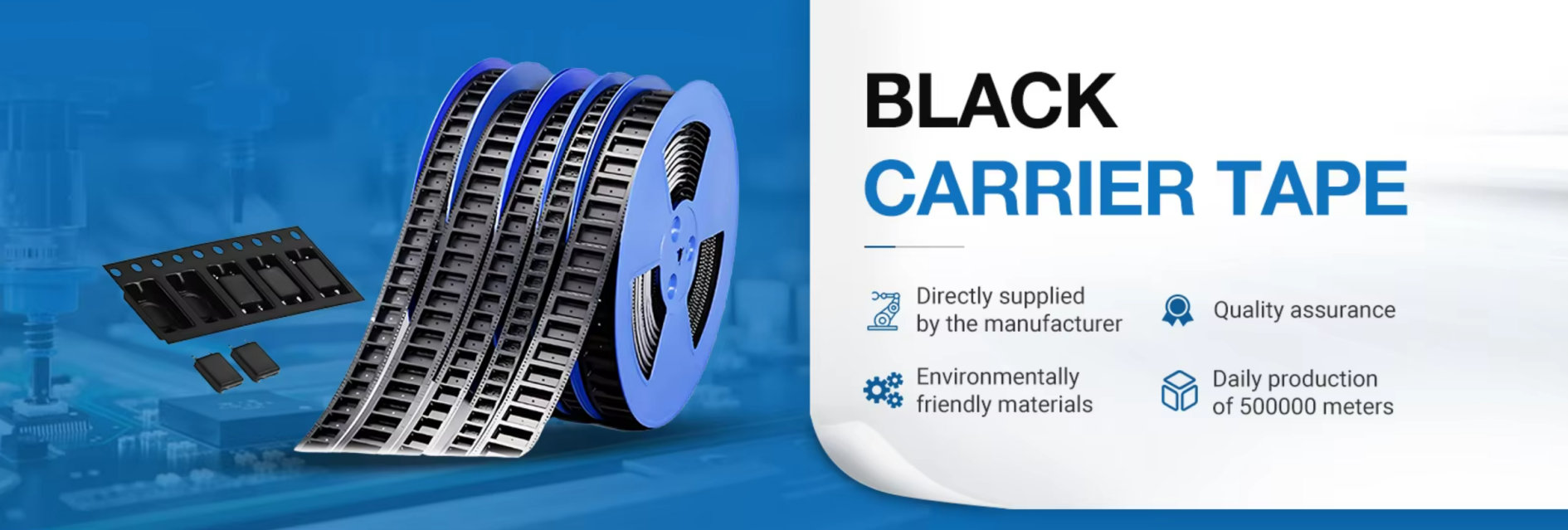
Carrier Tape Material Cost
Carrier tape is one of the largest cost contributors. Materials such as PS (polystyrene), PC (polycarbonate), and PET (polyethylene terephthalate) vary significantly in price and performance.
- PS is cost-effective and widely used for standard components
- PC offers higher strength and temperature resistance but costs more
- PET provides good balance but may require additional processing
Anti-static or conductive additives—required for sensitive electronic components—can further increase material costs.
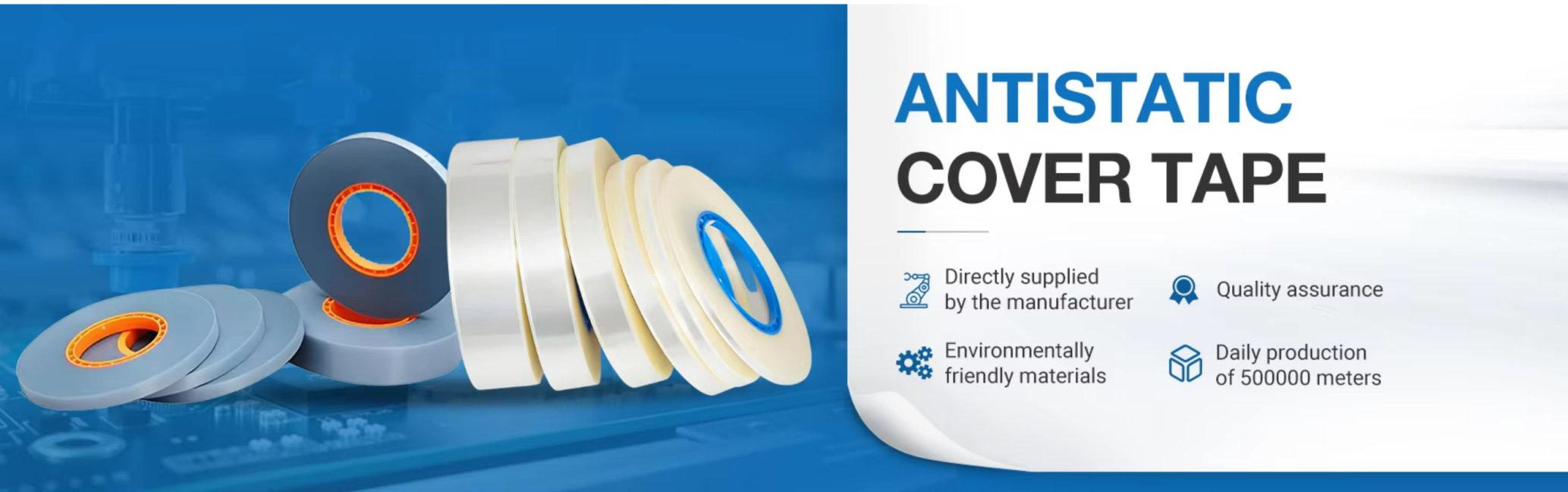
Cover Tape Cost
Cover tape plays a critical role in securing components during transport and feeding.
- Heat-activated cover tape is generally more stable but requires precise sealing equipment
- Pressure-sensitive cover tape offers flexibility but may have higher material cost
Peel strength requirements and compatibility with carrier tape materials also influence pricing.
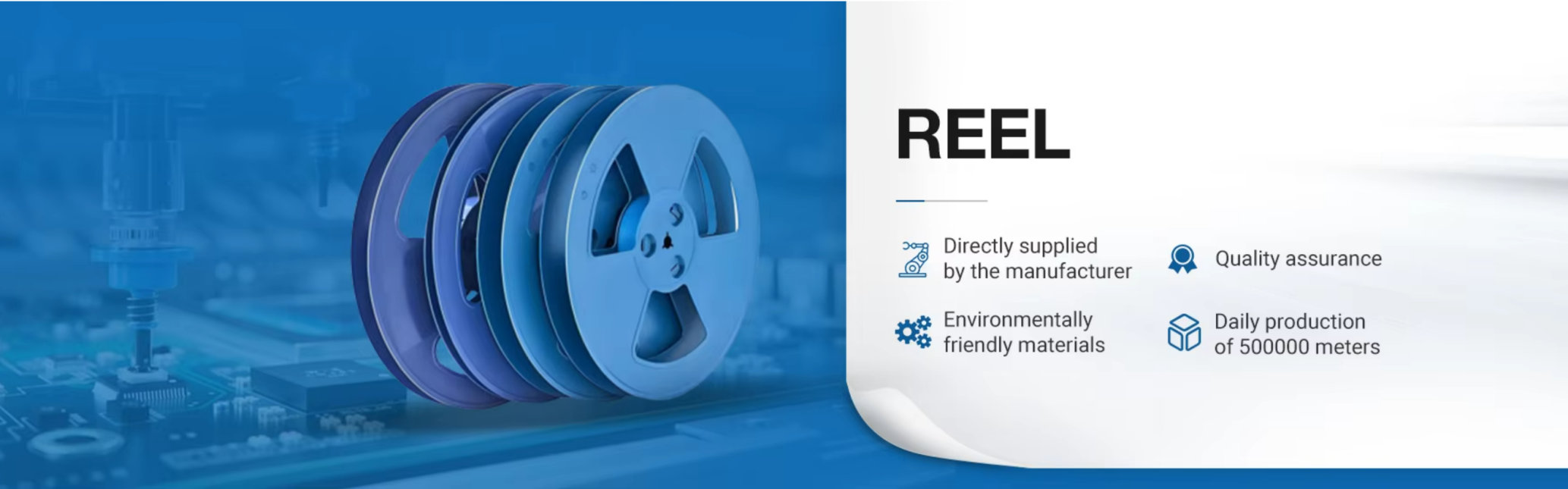
Plastic Reel Cost
Reels are often overlooked but still contribute to overall cost.
- Standard reel sizes (7”, 13”, 15”) are more cost-efficient
- Custom reels increase production complexity
- Reusability can offset long-term costs in closed-loop systems
Labor and Processing Cost
The level of automation significantly affects labor cost.
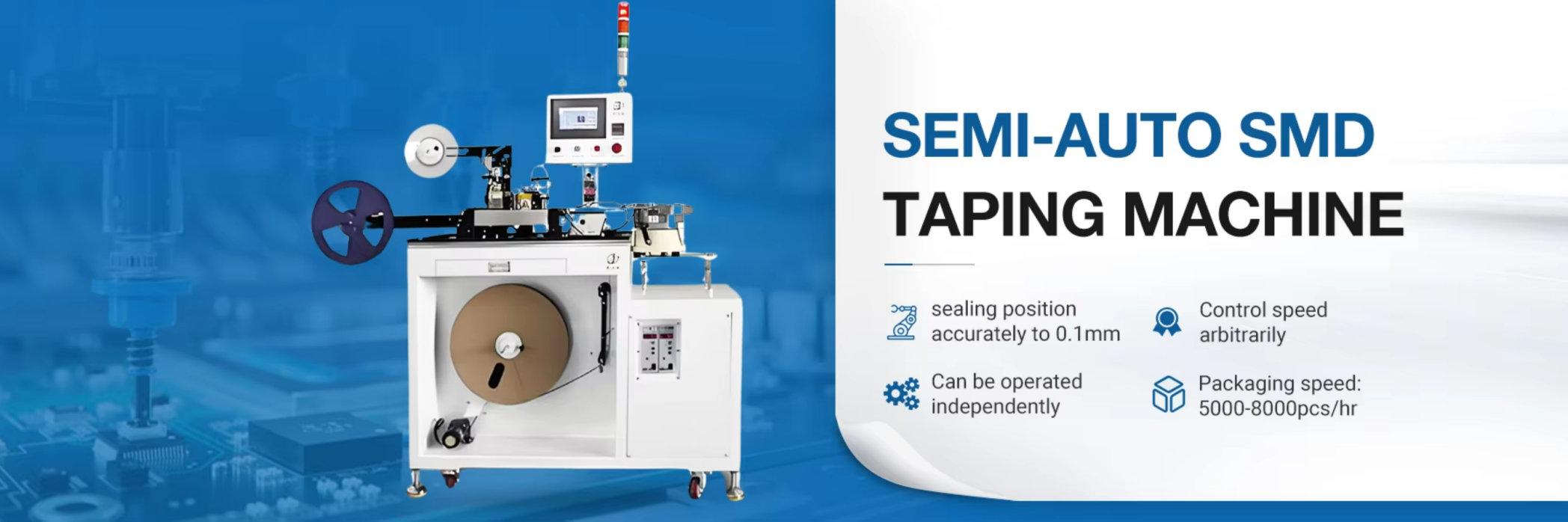
- Manual or semi-automatic processes have lower setup cost but higher labor input
- Fully automated lines reduce per-unit cost at scale but require higher initial investment
Production efficiency, operator skill, and region also influence labor cost.
Tooling Cost — The Hidden Upfront Investment
Tooling refers to the embossing mold used to create carrier tape pockets. This is typically a one-time upfront cost but can significantly impact your initial budget.
Tooling is required when:
- Your component has a unique size or shape
- No existing standard mold is available
Costs vary depending on complexity, precision requirements, and material.
However, tooling cost should be viewed as a long-term investment. When spread across high production volumes, the cost per unit becomes negligible.
For example:
A tooling cost that seems high at low volume can become almost irrelevant once production scales to hundreds of thousands or millions of units.
How Component Characteristics Affect Cost
Size and Shape Complexity
Larger or irregularly shaped components require deeper or customized pockets, increasing material usage and tooling complexity.
- Simple rectangular components = lower cost
- Complex geometries = higher cost
Fragility and Handling Requirements
Sensitive components demand stricter packaging standards.
- ESD-sensitive parts require anti-static materials
- Optical components (e.g., LEDs) may need additional protection
- IC chips often require high precision alignment
All of these increase both material and processing cost.
Orientation and Pitch Requirements
Tight pitch and strict orientation are essential for high-speed SMT lines.
- Smaller pitch = higher precision tooling
- Orientation control = more complex processing
These requirements increase both engineering and manufacturing cost.
Volume and MOQ — The Biggest Cost Lever
Order volume is one of the most important cost factors.
- Low volume: High per-unit cost due to setup and tooling impact
- Medium volume: Balanced cost structure
- High volume: Lowest per-unit cost due to economies of scale
| Volume | Cost per Unit | Tooling Impact |
|---|---|---|
| Low | High | Significant |
| Medium | Moderate | Reduced |
| High | Low | Minimal |
Increasing order volume—or consolidating multiple SKUs—can significantly reduce overall packaging cost.
Automation Level and Its Impact on Cost
Automation improves efficiency but changes cost structure.
- Fully automated taping lines reduce labor cost and improve consistency
- Semi-automatic setups are more flexible for small batches
Automation is most cost-effective when:
- Production volume is high
- Product design is stable
- Repeat orders are expected
Quality Requirements and Testing Costs
Higher quality standards come with additional cost, but they also reduce downstream risk.
Common quality control measures include:
- Vision inspection systems
- Peel strength testing
- Compliance with EIA-481 standards
While these add cost, they help prevent issues such as misfeeds, component damage, or SMT line downtime—which are far more expensive.
Additional Cost Factors Buyers Often Overlook
Many hidden factors can affect your final pricing:
- Lead time: Rush orders typically increase cost
- Packaging density: Inefficient design increases material and shipping cost
- Logistics: Larger reels may increase freight cost
- Scrap rate: Poor process control leads to waste
- Supplier experience: Inexperienced suppliers may appear cheaper but lead to higher failure rates
These indirect costs often exceed the visible unit price.
How to Reduce Tape and Reel Packaging Costs (Actionable Guide)
Optimize Carrier Tape Design
Avoid over-engineering. Design pockets that meet—but do not exceed—functional requirements.
Increase Order Volume Where Possible
Consolidate orders or forecast demand to benefit from scale pricing.
Choose Standard Reel Sizes
Using standard configurations reduces customization and tooling costs.
Work with an Experienced Supplier
An experienced partner can optimize design, reduce defects, and improve yield—saving cost in the long run.
Evaluate Total Cost, Not Just Unit Price
Consider:
- Defect rates
- SMT downtime risk
- Rework and scrap
The lowest quote is not always the most cost-efficient solution.
Cost Breakdown Example (Realistic Scenario)
Let’s consider a typical example:
- Component: Small IC chip
- Volume: 50,000 units
Estimated cost distribution:
- Carrier tape: 35%
- Cover tape: 15%
- Labor and processing: 25%
- Tooling amortization: 10%
- Reel and packaging: 15%
This example shows that material cost is only part of the picture—processing and efficiency also play a major role.
How to Choose a Cost-Efficient Tape and Reel Supplier
Selecting the right supplier is critical to cost control.
Key factors to evaluate:
- Engineering capability: Ability to optimize design and reduce unnecessary cost
- Automation level: Impacts consistency and scalability
- Quality control system: Ensures reliability and reduces risk
- Industry experience: Familiarity with your component type
- Transparent pricing: Clear breakdown of cost structure
A good supplier doesn’t just provide packaging—they help you reduce total cost across your production process.
FAQs About Tape and Reel Packaging Cost
What is the average cost per reel?
It varies widely depending on component type, volume, and material, but increases significantly at low volumes.
Is tooling always required?
No. Standard components may use existing molds, avoiding tooling cost.
How can I reduce packaging cost quickly?
Increase volume, standardize design, and work with an experienced supplier.
Does anti-static material increase cost significantly?
Yes, but it is essential for protecting sensitive components.
What is the MOQ for tape and reel packaging?
MOQ depends on supplier and complexity, but higher volumes generally offer better pricing.
Conclusion — Balancing Cost, Quality, and Reliability
Tape and reel packaging cost is influenced by a combination of material, design, volume, and process factors. While it may be tempting to focus only on unit price, the real goal should be optimizing total cost—including quality, efficiency, and reliability.
In high-speed electronics manufacturing, packaging failures can lead to costly downtime and product defects. Investing in the right design and supplier ensures long-term savings and stable production performance.
If you want to reduce your packaging cost without compromising quality, the best approach is to evaluate your requirements holistically—and partner with a supplier who understands both engineering and manufacturing realities.



 Emial
Emial John Mr