
Custom Carrier Tape Design Guide: Key Parameters, Materials & Best Practices for SMT Packaging
Introduction
In modern SMT (Surface Mount Technology) manufacturing, packaging is no longer just a protective step—it directly affects production efficiency, yield rate, and overall cost. Custom carrier tape plays a critical role in ensuring that electronic components are securely stored, transported, and precisely delivered during automated assembly.
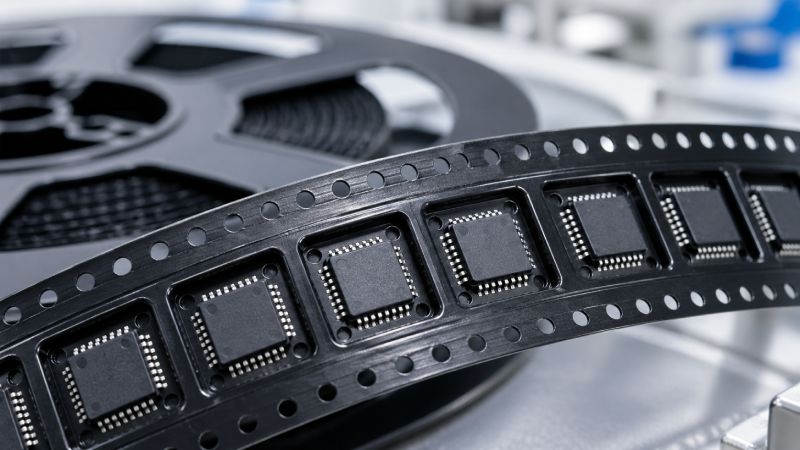
While standard carrier tape solutions may work for generic parts, they often fall short when dealing with unique geometries, fragile components, or high-speed production lines. Poorly designed tape can lead to misfeeds, component damage, and costly downtime.
This guide will walk you through everything you need to know about custom carrier tape design—from key parameters and material selection to common mistakes and supplier selection—so you can make informed decisions and optimize your SMT process from the start.
What Is Custom Carrier Tape?
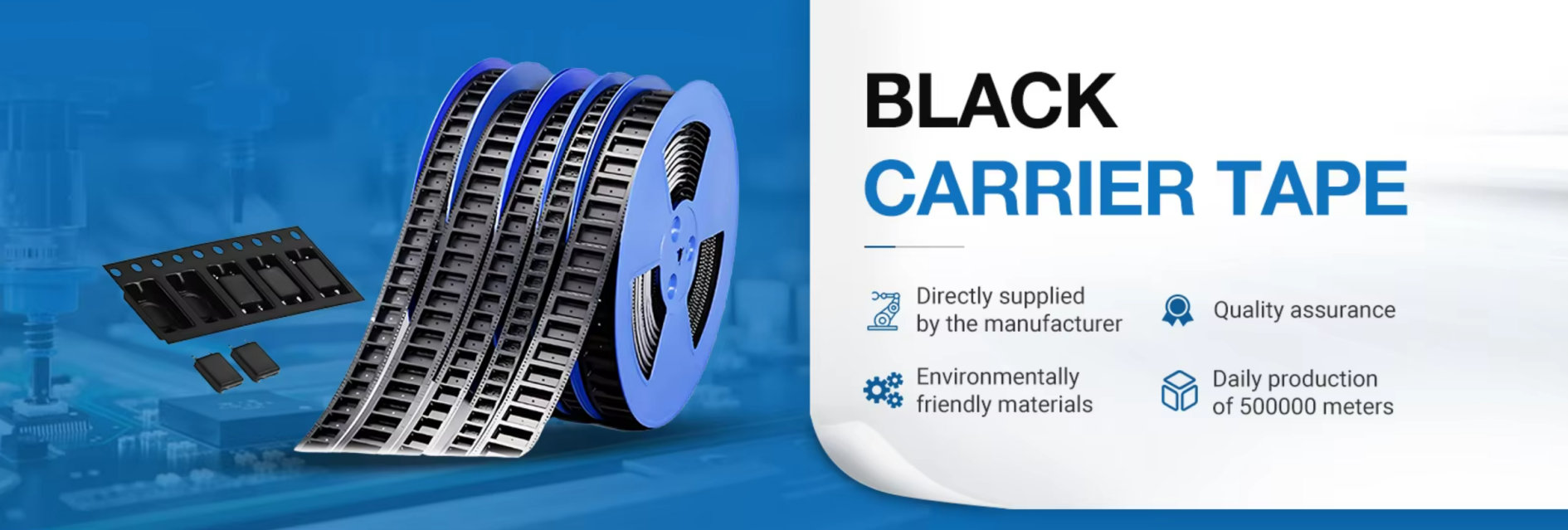
Custom carrier tape is a specially designed packaging solution tailored to the exact dimensions, shape, and handling requirements of specific electronic components. Unlike standard carrier tape, which follows predefined sizes and structures, custom designs are engineered to ensure optimal fit, protection, and feeding performance.
It is widely used in industries such as semiconductor manufacturing, LED production, connector assembly, and passive component packaging. Each application may require different pocket geometries, materials, and anti-static properties.
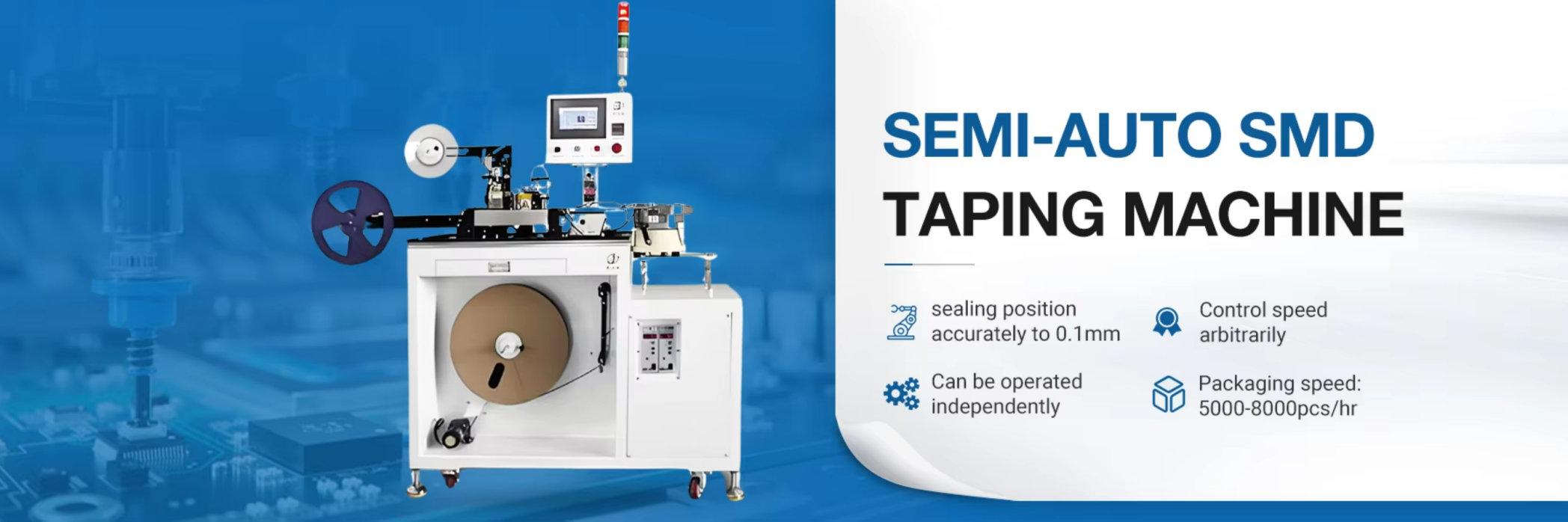
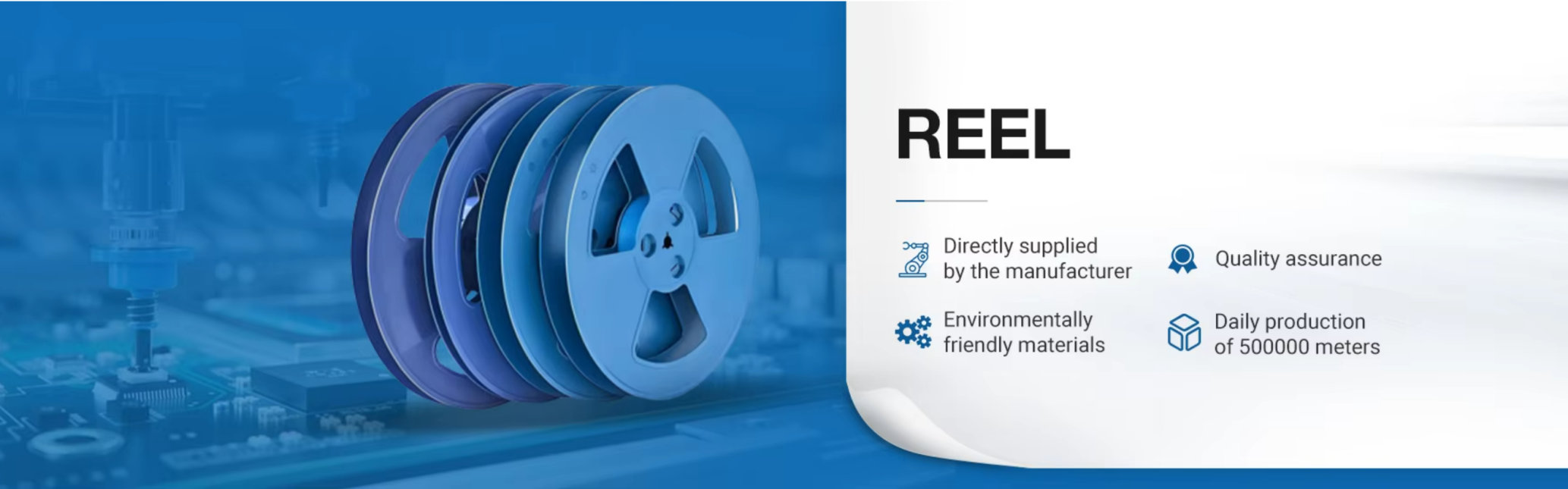
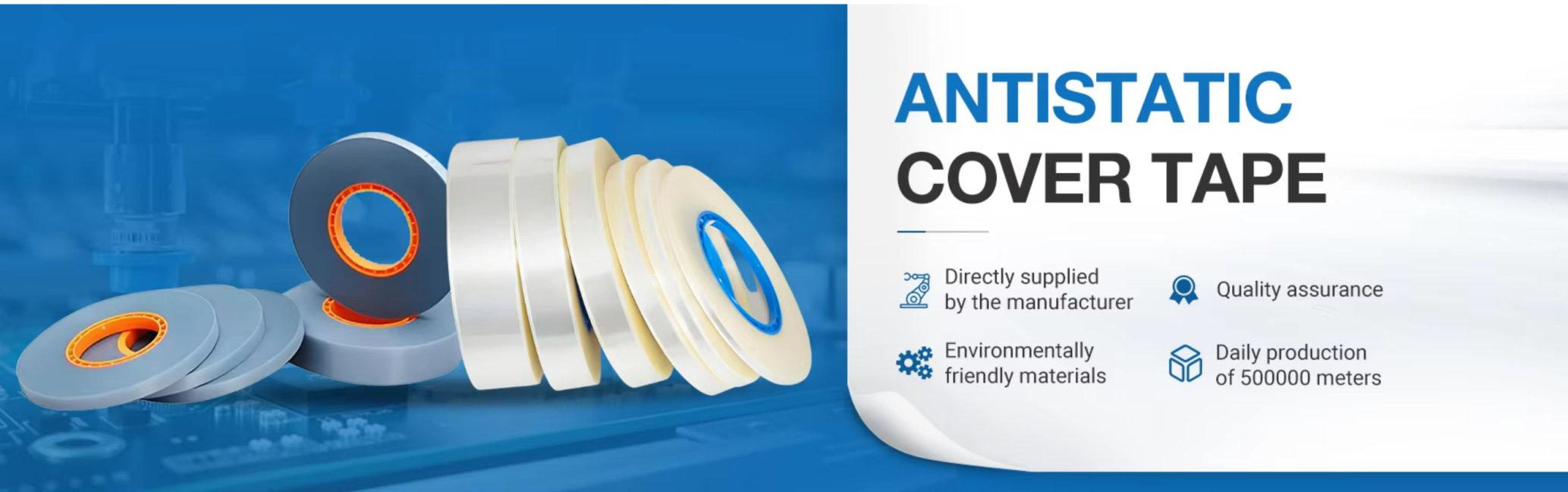
Custom carrier tape works as part of a complete tape-and-reel system, including cover tape and plastic reels, to enable seamless integration with automated pick-and-place machines.
Why Custom Carrier Tape Design Matters
Prevent Component Damage
Electronic components—especially ICs and LEDs—are highly sensitive to physical impact and electrostatic discharge. A properly designed carrier tape ensures components remain stable within pockets, minimizing movement and reducing the risk of damage during transport and handling.
Improve SMT Feeding Efficiency
In high-speed SMT lines, even minor inconsistencies can cause feeding errors. Custom carrier tape ensures precise alignment and consistent pitch, allowing components to be picked accurately without interruptions. This directly reduces machine downtime and improves throughput.
Reduce Total Packaging Cost
Although custom tape may seem more expensive upfront, it often reduces overall costs by minimizing defects, scrap rates, and rework. Better design leads to higher yields and fewer production issues.
Support High-Speed Automation
Modern SMT lines demand high reliability. Custom-designed tape ensures compatibility with advanced feeders and high-speed pick-and-place systems, helping manufacturers maintain consistent performance at scale.
Key Parameters in Custom Carrier Tape Design
Designing custom carrier tape requires careful attention to several critical parameters that directly impact performance.
Pocket Dimensions
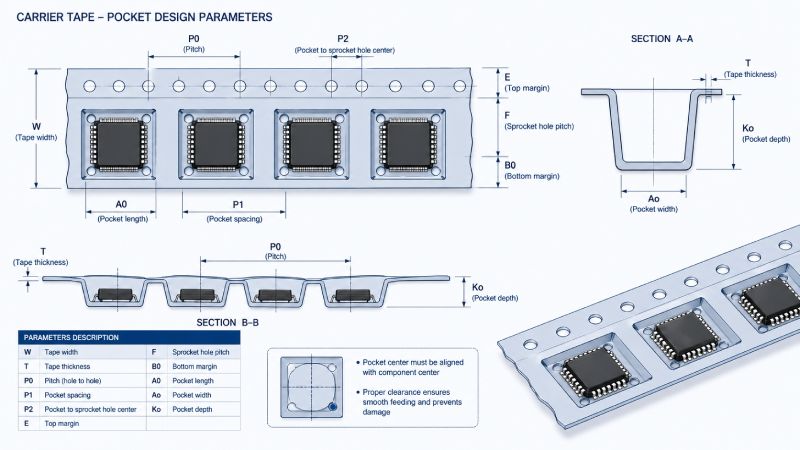
The pocket must match the component’s length, width, and height with high precision. Too tight, and components may get stuck or damaged. Too loose, and they may shift or rotate. Achieving the right balance is essential.
Pocket Shape & Geometry
Different components require different pocket shapes. For example, round components may need circular pockets, while irregular parts may require custom contours or anti-rotation features to maintain orientation.
Pitch & Spacing
Pitch refers to the distance between pockets, typically standardized (e.g., 4mm, 8mm). Proper pitch ensures compatibility with SMT feeders and precise component indexing during production.
Tape Width
Carrier tape widths range from 8mm to 72mm, depending on component size. Choosing the correct width ensures stability and efficient reel loading.
Embossing Type
Embossing forms the pocket structure. Deep embossing is suitable for larger or heavier components, while shallow embossing works for smaller parts. The embossing process also affects material strength and durability.
Anti-Static Requirements
For sensitive electronic components, ESD protection is critical. Depending on the application, materials may need to be conductive or dissipative to prevent electrostatic damage.
Material Selection for Carrier Tape
Choosing the right material is a key step in custom carrier tape design. Each material offers different advantages depending on your application.
PS (Polystyrene)
PS is one of the most commonly used materials due to its cost-effectiveness and ease of forming. It is suitable for standard components with moderate requirements.
PC (Polycarbonate)
PC offers higher strength and durability, making it ideal for fragile or high-value components. Its transparency also allows for easy visual inspection.
PET (Polyethylene Terephthalate)
PET provides excellent dimensional stability and is increasingly popular due to its environmental benefits. It performs well in a wide range of applications.
Conductive Materials
For IC chips and other ESD-sensitive components, conductive materials are essential. These materials help dissipate static charges and protect components during handling.
Selecting the right material involves balancing performance requirements, cost constraints, and environmental considerations.
Cover Tape Compatibility
Carrier tape design does not work in isolation—it must be compatible with the cover tape used to seal the components.
There are two main types of cover tape: heat-activated and pressure-sensitive. Each requires specific sealing conditions and offers different peel strength characteristics.
Proper peel strength is critical. If it’s too strong, components may be dislodged during peeling. If it’s too weak, the tape may open prematurely.
Custom Carrier Tape Design Process (Step-by-Step)
A structured design process ensures that the final product meets all performance requirements.
Step 1: Component Analysis
The process begins with a detailed analysis of the component, including dimensions, weight, fragility, and handling requirements.
Step 2: Pocket Design
Engineers create a pocket design using CAD tools, ensuring precise fit and orientation. This stage may involve multiple iterations.
Step 3: Prototype Testing
Prototypes are produced and tested for performance, including drop tests and feeding simulations. This step helps identify potential issues early.
Step 4: Mass Production Validation
Before full-scale production, the design is validated on actual SMT lines to ensure compatibility with reels, feeders, and assembly equipment.
Common Mistakes in Carrier Tape Design
Even small design errors can lead to significant production issues.
Too Tight or Too Loose Pockets
Incorrect pocket sizing is one of the most common problems. It can cause feeding errors, component damage, or misalignment.
Ignoring ESD Protection
Failing to consider anti-static requirements can result in irreversible damage to sensitive components.
Poor Cover Tape Matching
Incompatible cover tape can lead to sealing issues or inconsistent peel strength.
Not Testing on Real SMT Lines
Designs that perform well in theory may fail in real production environments. Testing under actual conditions is essential.
Avoiding these mistakes can significantly reduce hidden costs and improve overall production efficiency.
How to Choose the Right Custom Carrier Tape Supplier
Selecting the right supplier is just as important as the design itself.
Engineering Support Capability
A reliable supplier should offer strong engineering support, including design optimization and problem-solving.
In-House Tooling & Sampling
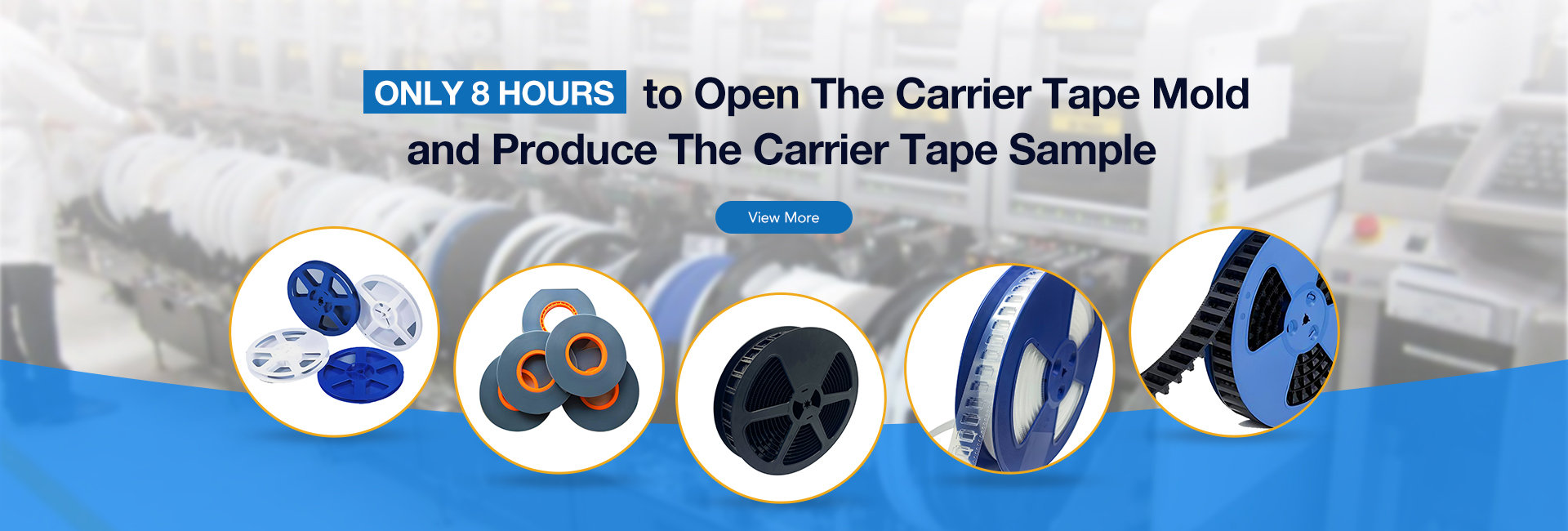
Fast tooling and sampling capabilities allow for quicker iterations and shorter development cycles.
Testing Equipment Availability
Suppliers with advanced testing equipment can validate designs more accurately, reducing risks.
Industry Experience
Experience in your specific industry ensures a better understanding of application requirements and potential challenges.
Working with an experienced partner can help you avoid costly mistakes and accelerate your time to market.
Conclusion
Custom carrier tape design is a critical factor in achieving efficient, reliable, and cost-effective SMT production. By carefully considering design parameters, material selection, and testing processes, manufacturers can significantly improve performance and reduce operational risks.
The key is to get the design right from the beginning. A well-designed carrier tape not only protects your components but also enhances automation efficiency and overall production quality.
If you‘re planning a new project or facing packaging challenges, working with an experienced supplier can make all the difference.
Send us your component drawings today and get a custom carrier tape design solution within 24–48 hours.



 Emial
Emial John Mr