
MOQ and Lead Time for Tape and Reel Packaging Explained
In electronics manufacturing, packaging is more than a shipping method. Tape and reel packaging directly affects SMT production efficiency, component protection, and automated assembly performance. For buyers sourcing carrier tape packaging, two of the most important considerations are MOQ (Minimum Order Quantity) and lead time.
If MOQ is too high, inventory costs increase. If lead time is too long, SMT production schedules may be delayed. This is especially important for semiconductor devices, LED components, automotive electronics, and custom-shaped parts that require specialized carrier tape designs.

Understanding how MOQ and lead time work helps procurement teams, engineers, and OEM manufacturers plan projects more effectively. In this guide, we will explain what affects tape and reel packaging MOQ, how lead times are calculated, and how buyers can reduce delays while maintaining reliable packaging quality.
What Does MOQ Mean in Tape and Reel Packaging?
MOQ stands for Minimum Order Quantity. In tape and reel packaging, it refers to the smallest production quantity a supplier is willing to manufacture for a specific packaging project.
MOQ exists because carrier tape production involves material preparation, machine setup, engineering validation, and labor costs. Suppliers need a certain production volume to maintain manufacturing efficiency and keep pricing reasonable.
However, MOQ can vary significantly depending on the type of packaging required.
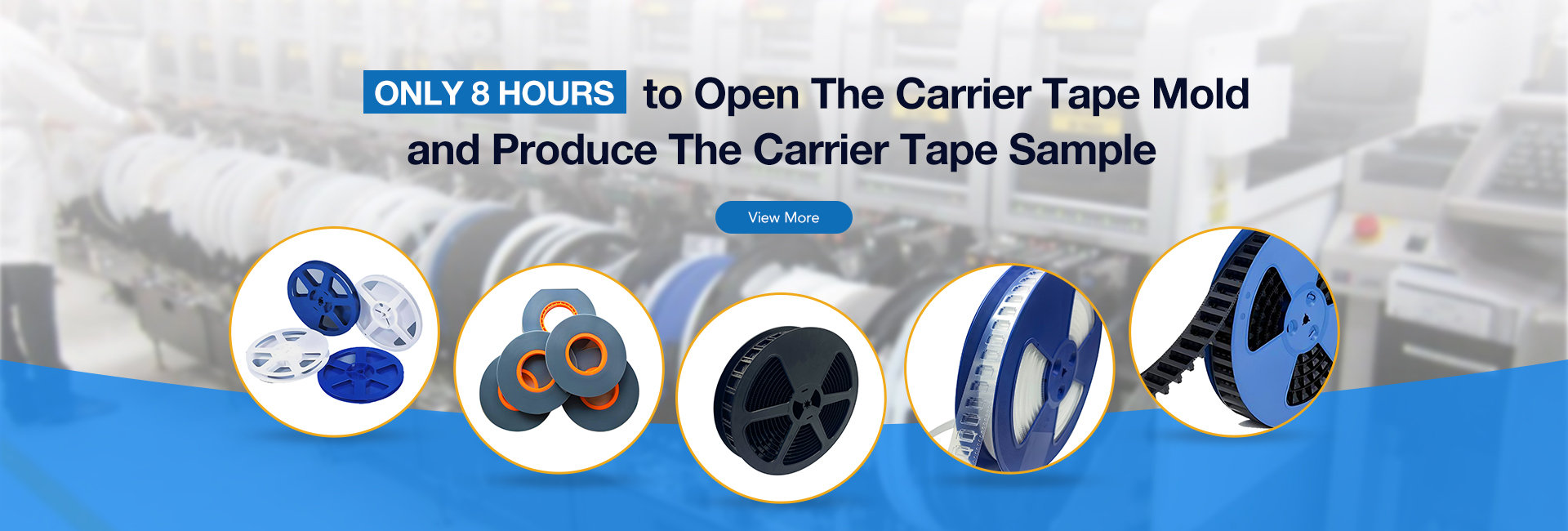
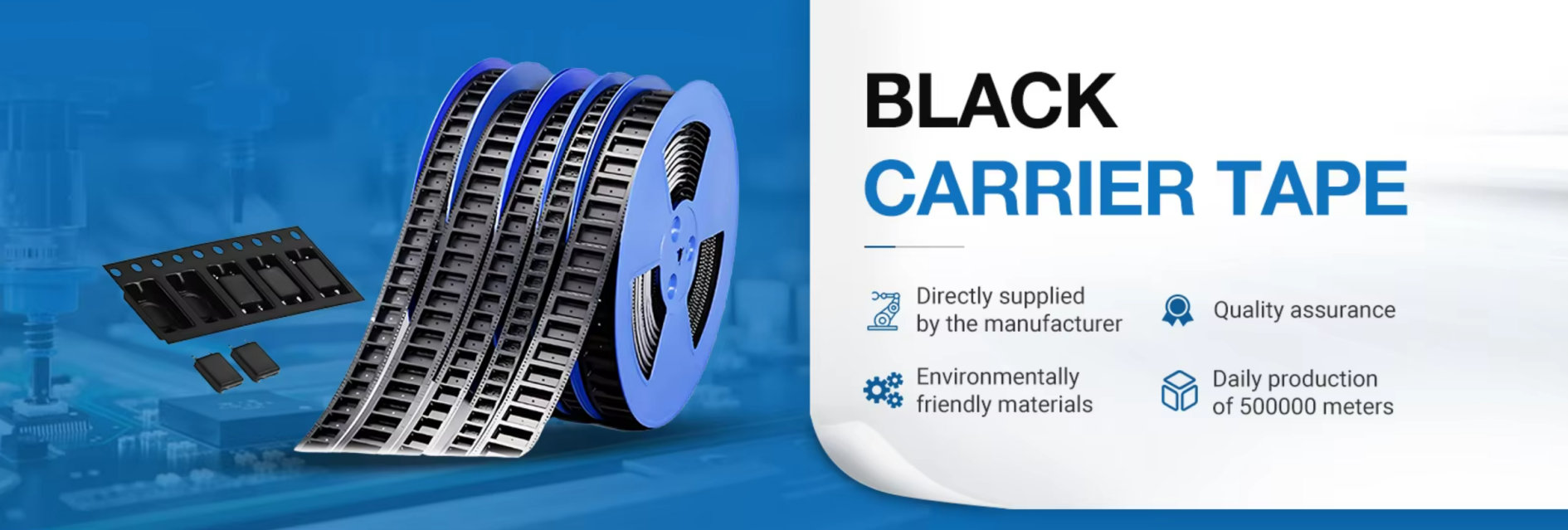
For standard carrier tape sizes that already use existing tooling, MOQ is usually lower because production can begin immediately. For custom embossed carrier tape projects, MOQ is often higher because suppliers may need to create new tooling, validate pocket dimensions, and perform feeding tests before mass production starts.
Other factors that influence MOQ include:
-
Material consumption
-
Reel size requirements
-
Cover tape compatibility
-
ESD protection requirements
-
Production line setup time
-
Packaging complexity
Prototype projects may sometimes support smaller order quantities, but the unit cost is generally higher due to lower production efficiency.
For buyers, understanding MOQ early in the project helps improve purchasing plans and avoid unexpected costs during production.
Typical MOQ Ranges for Tape and Reel Packaging
MOQ requirements depend on whether the packaging project uses standard materials or fully customized solutions.
| Packaging Type | Typical MOQ |
|---|---|
| Standard carrier tape | Lower MOQ |
| Existing reel sizes | Lower MOQ |
| Custom embossed carrier tape | Medium to high MOQ |
| Prototype packaging | Flexible MOQ |
| High-volume SMT packaging | Large production quantity |
Standard tape and reel packaging usually offers more flexibility because suppliers may already have compatible tooling and raw materials in stock. This reduces setup time and allows smaller production runs.
Custom carrier tape projects are different. If a component has unusual dimensions, special orientation requirements, or strict SMT feeding conditions, suppliers often need to manufacture dedicated tooling. Since tooling production and engineering validation involve additional cost, the MOQ is generally higher.
Prototype packaging is commonly used during product development and SMT testing stages. Although prototype quantities can sometimes be relatively small, the packaging cost per unit is usually higher because production efficiency is lower.
For high-volume SMT manufacturing, larger orders help reduce overall packaging cost. Mass production improves material utilization, reduces machine downtime, and increases manufacturing efficiency.
Some buyers focus only on achieving the lowest MOQ possible. However, extremely small quantities may increase the total packaging cost due to repeated setup procedures and lower production efficiency. In many cases, providing accurate production forecasts allows suppliers to optimize scheduling and offer better pricing.
What Factors Affect Tape and Reel Packaging Lead Time?
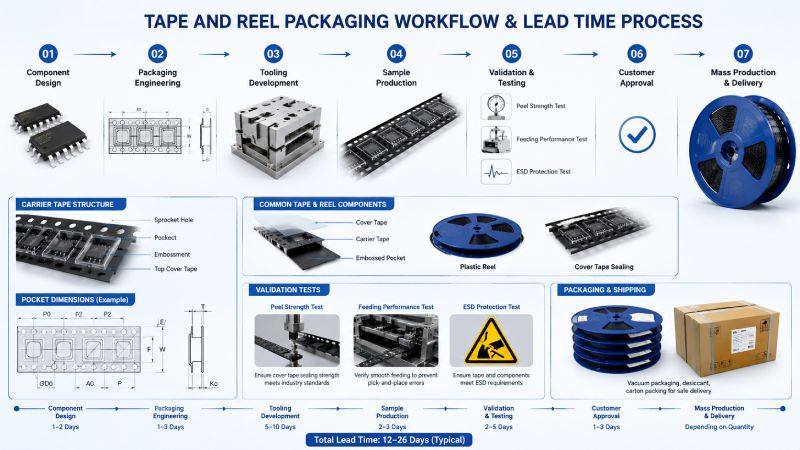
Lead time in tape and reel packaging depends on several engineering and production factors. While standard packaging projects may move quickly, custom packaging solutions often require multiple validation stages before production begins.
Carrier Tape Design Complexity
The complexity of the carrier tape design is one of the biggest factors affecting lead time.
Suppliers must evaluate:
-
Component dimensions
-
Pocket depth
-
Pocket pitch
-
Feeding orientation
-
ESD protection requirements
-
Component stability during transportation
Small or irregular components may require more precise pocket structures to ensure reliable SMT feeding performance. Complex designs often require additional engineering adjustments and sample validation.
Tooling and Mold Manufacturing
Custom embossed carrier tape usually requires tooling development. This process includes:
-
Tooling design
-
Mold manufacturing
-
Trial production
-
Dimensional verification
-
First sample approval
Tooling production itself may take time, especially for highly customized projects. After tooling is completed, suppliers often provide samples for testing before mass production begins.
Material Availability
Lead time can also be affected by raw material availability.
Common materials include:
-
Plastic carrier tape film
-
Anti-static materials
-
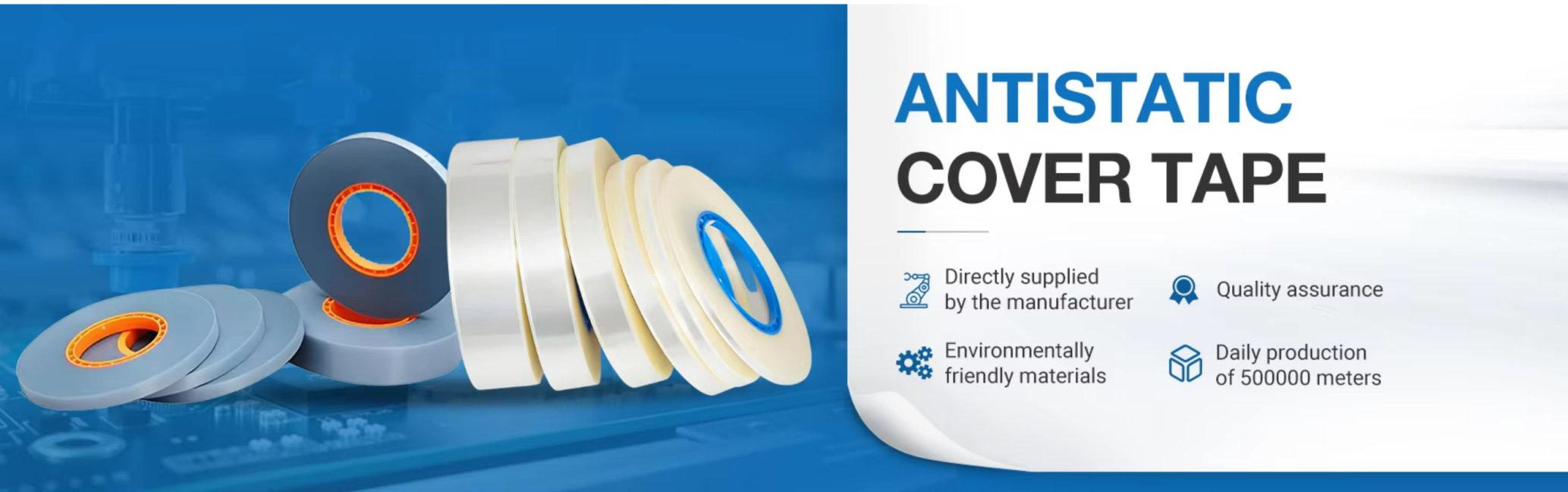
Cover tape
-
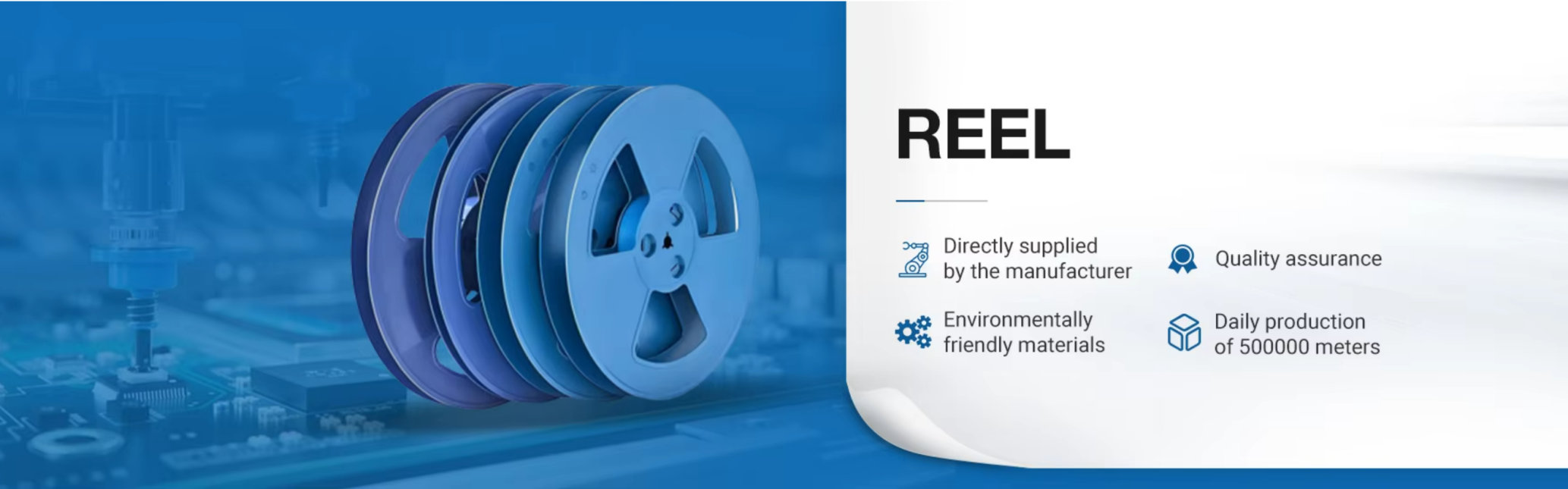
Plastic reels
If special materials or uncommon reel sizes are required, procurement time may increase.
Production Capacity and Scheduling
Packaging factories typically manage multiple projects simultaneously. During peak manufacturing periods, production schedules may become tighter.
Large-volume orders may also require longer production windows because suppliers must allocate machine capacity and labor resources carefully.
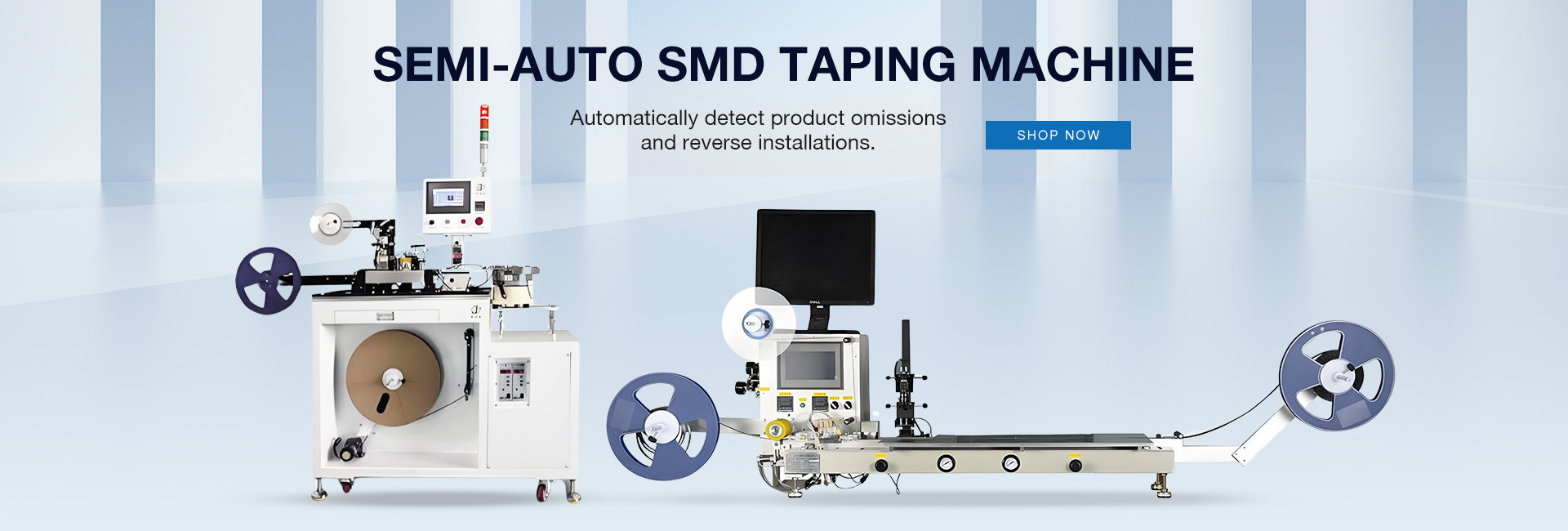
Modern automated systems can improve efficiency significantly. Advanced packaging equipment helps reduce manual handling and improve production consistency.
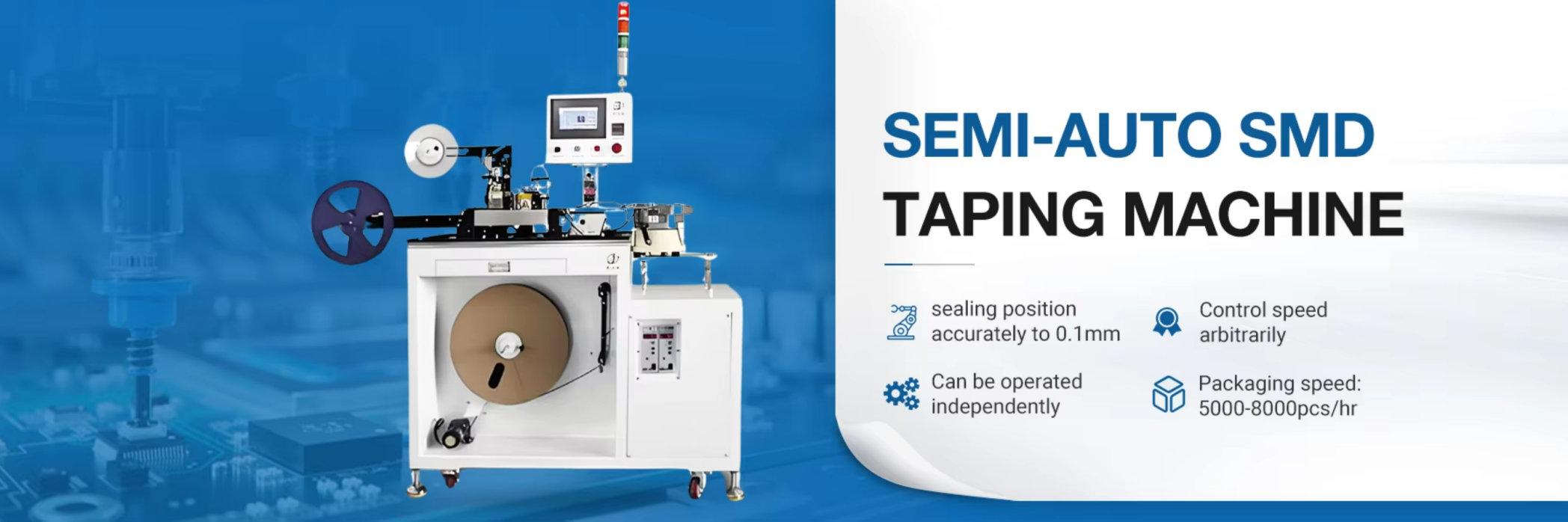
For example, suppliers using automated packaging systems such as the Fully Automatic Carrier Tape Packaging Machine can improve throughput while maintaining stable packaging quality.
Testing and Validation
Reliable tape and reel packaging requires testing before shipment.
Validation procedures may include:
-
Peel strength testing
-
Feeding performance verification
-
Pocket dimension inspection
-
Cover tape sealing evaluation
Using professional testing equipment such as a Carrier Tape Peel Strength Tester for Packaging Validation helps ensure the packaging performs properly during SMT assembly.
Although testing adds time to the project, it helps reduce production risks and prevents costly feeding failures during SMT processing.
Typical Lead Time for Standard vs Custom Tape and Reel Packaging
Lead time varies depending on project complexity and customization level.
| Project Type | Typical Lead Time |
|---|---|
| Standard tape and reel packaging | Shorter lead time |
| Existing tooling projects | Faster production |
| Custom carrier tape development | Medium lead time |
| New tooling projects | Longer lead time |
| Large production orders | Depends on production capacity |
Standard packaging projects generally move faster because the tooling and production process already exist. Suppliers can begin production almost immediately after order confirmation.
Custom carrier tape projects require more preparation. The process often includes:
-
Engineering evaluation
-
Tooling design
-
Sample production
-
Validation testing
-
Customer approval
-
Mass production
Any design modification during these stages may increase the overall lead time. For this reason, buyers should confirm packaging specifications as early as possible.
Providing complete component drawings, dimensional tolerances, and orientation requirements at the beginning of the project helps suppliers reduce engineering revisions and accelerate production.
How to Reduce MOQ and Lead Time Risks
Reducing packaging delays requires cooperation between the buyer and supplier. Early communication and accurate technical information can significantly improve project efficiency.
Standardize Packaging Specifications
Whenever possible, using standard carrier tape dimensions helps reduce tooling complexity and production setup time.
Standardized packaging often provides:
-
Faster manufacturing
-
Lower MOQ
-
Reduced engineering work
-
Better material availability
Provide Complete Component Information
Incomplete technical data is one of the most common causes of project delays.
Buyers should provide:
-
Component drawings
-
3D files
-
Tolerance requirements
-
Packaging orientation details
-
SMT feeding requirements
Clear technical communication allows suppliers to design more accurate carrier tape solutions from the start.
Start Validation Early
Prototype packaging and early sample testing help identify problems before mass production begins.
Testing early can reduce risks related to:
-
Pocket fit
-
Feeding reliability
-
Cover tape sealing
-
Component movement
Early validation also reduces the chance of production interruptions later.
Work With Experienced Suppliers
Experienced tape and reel packaging suppliers often maintain existing tooling libraries and established engineering processes. This can shorten development cycles and improve packaging consistency.
Suppliers with advanced automation capabilities can also improve delivery performance while maintaining stable packaging quality.
Companies that specialize in both packaging materials and packaging equipment generally provide stronger technical support for SMT packaging projects.
When Should You Choose Custom Tape and Reel Packaging?
Custom tape and reel packaging is often necessary when standard packaging cannot provide stable SMT feeding performance.
Typical applications include:
-
Semiconductor devices
-
Mini LED components
-
Automotive electronics
-
Sensitive IC chips
-
Irregularly shaped components
-
Precision electronic parts
Custom packaging improves:
-
Component stability
-
Feeding accuracy
-
SMT automation efficiency
-
Production consistency
For high-speed SMT assembly lines, reliable component feeding is critical. Poor packaging may cause feeding errors, machine downtime, or component damage during production.
Custom carrier tape designs help optimize pocket structure, reduce movement inside the pocket, and improve pick-and-place reliability.
In many cases, investing in optimized packaging helps reduce long-term manufacturing defects and improve overall production efficiency.
Questions to Ask Your Tape and Reel Packaging Supplier
Before starting a packaging project, buyers should discuss technical and production details with suppliers carefully.
Important questions include:
-
What is the MOQ for this packaging solution?
-
Does the project require new tooling?
-
How long will sample validation take?
-
Can prototype quantities be supported?
-
What testing procedures are included?
-
Can peel strength reports be provided?
-
What ESD protection options are available?
-
How scalable is the production capacity?
-
What packaging standards are followed?
-
Can the supplier support future production expansion?
A transparent supplier should clearly explain the development process, expected lead time, and validation procedures.
Suppliers that offer both engineering support and automated packaging equipment typically provide stronger long-term manufacturing support.
For example, advanced systems such as Tape & Reel Packaging Machines for Carrier Tape Assembly can help improve packaging efficiency for high-volume SMT production.
Conclusion
MOQ and lead time play a critical role in tape and reel packaging projects. Understanding how these factors work helps buyers improve inventory planning, reduce production risks, and maintain stable SMT assembly schedules.
Standard packaging solutions usually offer lower MOQ and faster delivery, while custom carrier tape projects require additional engineering, tooling, and validation stages. Although custom packaging may involve longer lead times, it often improves SMT feeding reliability and long-term manufacturing efficiency.
The best way to reduce delays is to communicate early, provide complete technical information, and work with an experienced packaging supplier.
For electronics manufacturers, reliable tape and reel packaging is not simply a packaging decision. It is an important part of maintaining production quality, automation efficiency, and supply chain stability.



 Emial
Emial John Mr