


Tape & Reel Packaging Explained: Process, Materials, Standards & SMT Applications
Introduction
In modern electronics manufacturing, speed, precision, and consistency are critical. As SMT (Surface Mount Technology) production lines continue to become faster and more automated, component packaging plays a major role in ensuring stable feeding and accurate placement. This is where tape & reel packaging becomes essential.

Tape and reel packaging is a standardized method used to package and transport electronic components such as IC chips, LEDs, resistors, capacitors, sensors, and connectors. The system allows SMT pick-and-place machines to feed components automatically during assembly, improving production efficiency while reducing handling errors.
This guide explains how tape & reel packaging works, the materials used, industry standards, common packaging problems, and how manufacturers choose the right packaging solutions for different electronic components.
What Is Tape & Reel Packaging?
Tape & reel packaging is an automated packaging format designed for surface mount electronic components. Components are placed into pockets formed in a carrier tape, sealed with a cover tape, and wound onto a plastic reel for transportation and SMT assembly.
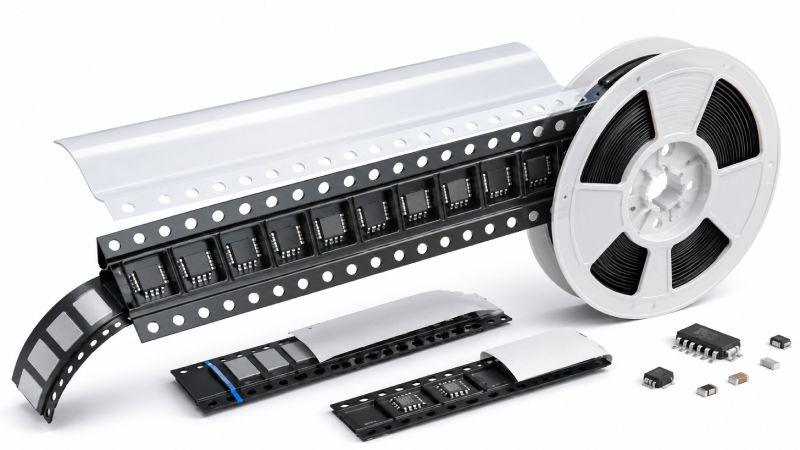
A complete tape & reel system usually includes:
-
Carrier tape
-
Cover tape
-
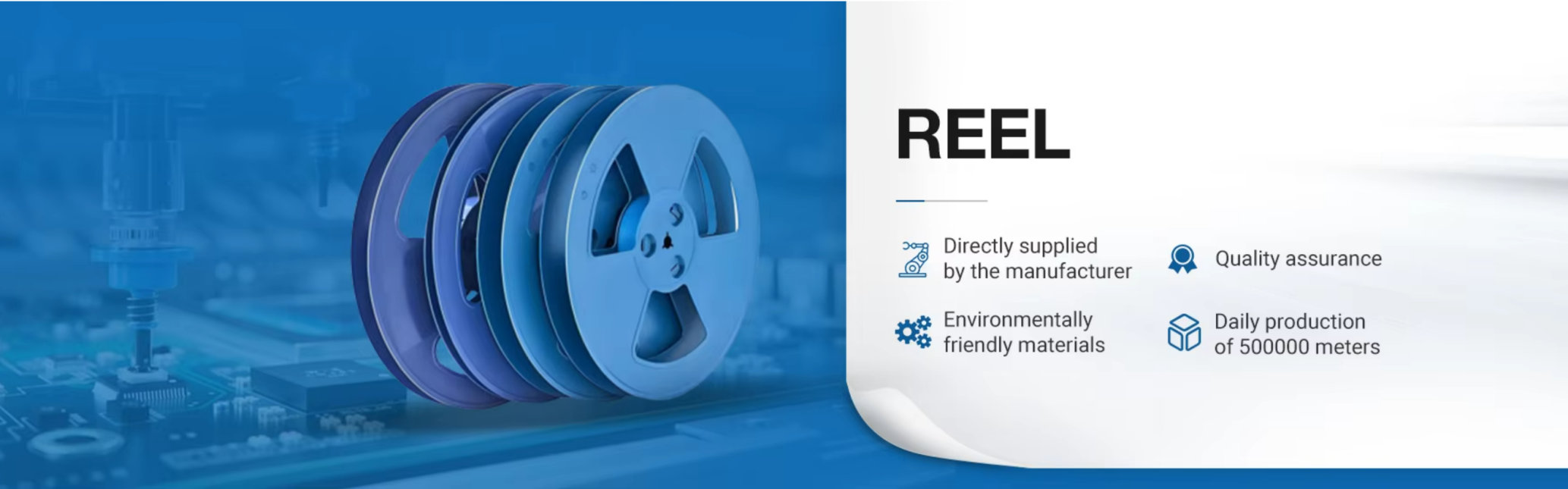
Plastic reel
-
Leader tape and trailer tape
The packaged reel is then loaded into SMT feeders during PCB assembly.
The primary purpose of tape & reel packaging is to support continuous automated feeding on high-speed SMT production lines. Without standardized packaging, electronic components could become misaligned, damaged, or difficult for machines to handle efficiently.
Modern SMT factories rely heavily on tape & reel systems because they improve placement accuracy, reduce manual handling, and support large-volume production.
Why Tape & Reel Packaging Is Important
Supports High-Speed SMT Automation
Modern pick-and-place machines can place thousands of components per hour. Tape & reel packaging enables continuous feeding without interrupting production.
The sprocket holes on the carrier tape allow precise indexing inside SMT feeders, ensuring each component arrives at the correct pickup position.
This stable feeding process helps manufacturers improve production efficiency while minimizing machine downtime.
Protects Sensitive Electronic Components
Many electronic components are extremely small and sensitive to vibration, electrostatic discharge (ESD), and contamination.
Carrier tape pockets help secure components during storage and transportation. Anti-static materials can also reduce ESD risks for semiconductor devices and precision electronics.
Proper packaging protection is especially important for:
-
IC chips
-
Sensors
-
Mini LED devices
-
Automotive electronics
-
Medical electronics
Reduces Feeding and Orientation Errors
Incorrect component orientation can create major SMT assembly problems.
Tape & reel packaging ensures components are positioned consistently inside each pocket. This helps SMT machines maintain accurate placement throughout production.
Consistent pocket dimensions and proper cover tape sealing also reduce risks such as:
-
Component flipping
-
Missing parts
-
Feeding jams
-
Mis-picks
How Tape & Reel Packaging Works
Component Loading Process
The packaging process starts with loading electronic components into carrier tape pockets.
Depending on production requirements, manufacturers may use:
-
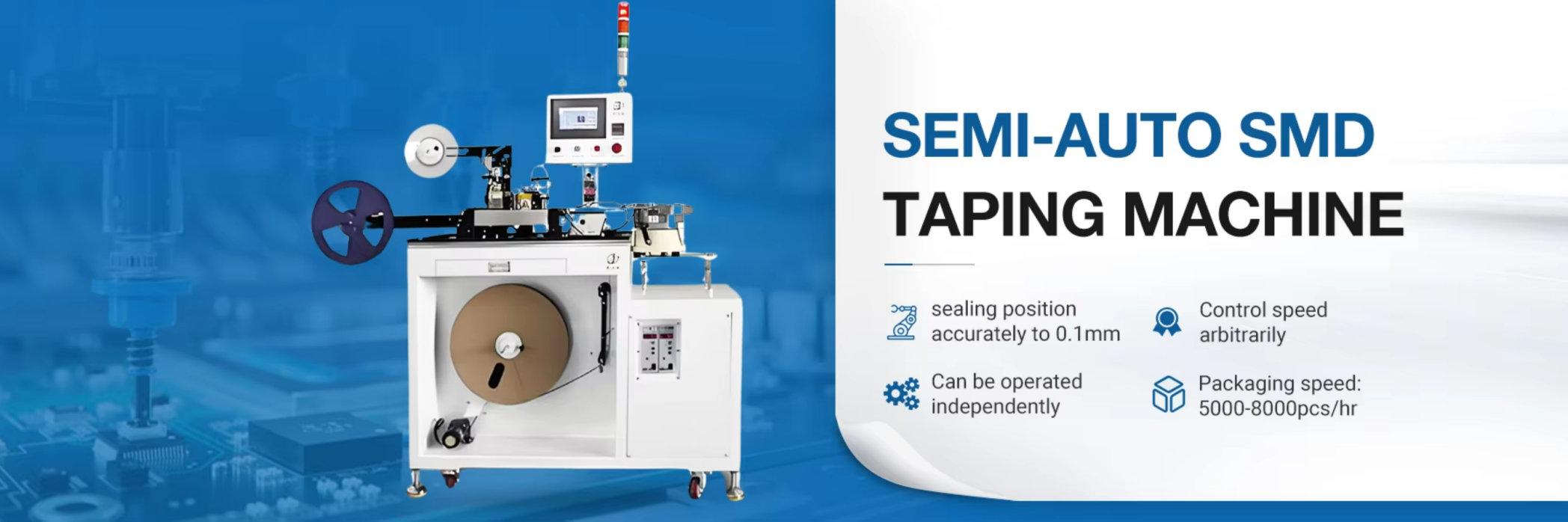
Semi-automatic taping machines
-
Fully automatic tape & reel systems
-
Vision-guided packaging equipment
Each pocket must match the size and shape of the component to prevent movement during feeding and transportation.
For custom electronic parts, manufacturers often design customized carrier tape pockets based on component drawings and dimensional requirements.
Cover Tape Sealing
After components are loaded into the carrier tape, a cover tape seals the pockets.
Two common sealing methods are used:
Heat Activated Cover Tape
Heat sealing uses controlled temperature and pressure to bond the cover tape to the carrier tape surface.
This method provides strong sealing stability and is commonly used for semiconductor packaging.
Pressure Sensitive Cover Tape
Pressure-sensitive cover tape uses adhesive bonding without heat activation.
It is often suitable for certain passive components and lower-temperature applications.
Proper peel strength is critical because excessive force may damage components, while weak sealing can cause parts to escape from the pockets.
Reel Winding and SMT Feeding
After sealing, the tape is wound onto reels for shipment and SMT production.
Common reel sizes include:
-
7-inch reels
-
13-inch reels
During SMT assembly, the reel is mounted onto a feeder. The feeder advances the tape step by step while the pick-and-place machine removes components from each pocket.
Stable reel winding and accurate pocket pitch are essential for reliable SMT feeding performance.
Main Materials Used in Tape & Reel Packaging
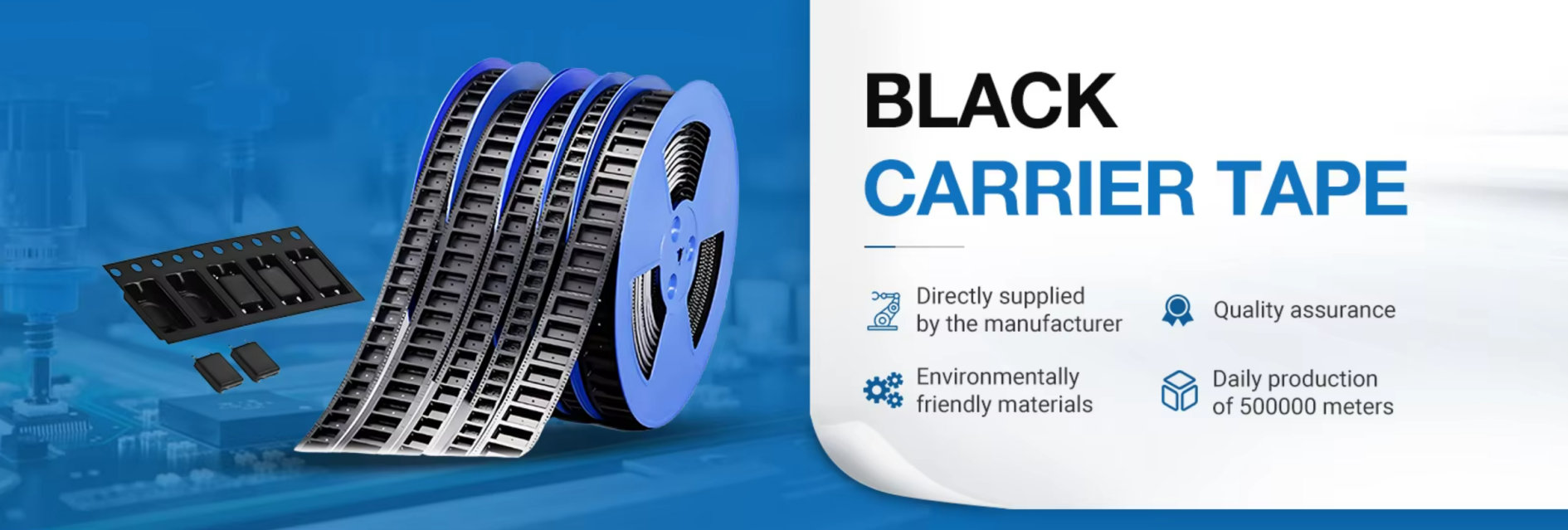
Embossed Carrier Tape
Embossed carrier tape is widely used in electronics packaging.
The pockets are thermoformed into plastic materials to match component dimensions. This design provides strong protection and stable positioning.
Embossed carrier tape is commonly used for:
-
IC chips
-
Connectors
-
LEDs
-
Sensors
-
Semiconductor devices
Punched Carrier Tape
Punched carrier tape is usually made from paper materials and is often used for smaller passive components.
Compared with embossed tape, punched tape may offer lower material cost for certain applications.
Anti-Static Carrier Tape
ESD protection is extremely important for semiconductor packaging.
Anti-static carrier tape helps reduce electrostatic discharge risks during transportation and SMT assembly.
This type of packaging is commonly required for:
-
Integrated circuits
-
Memory devices
-
Precision sensors
-
Automotive electronics
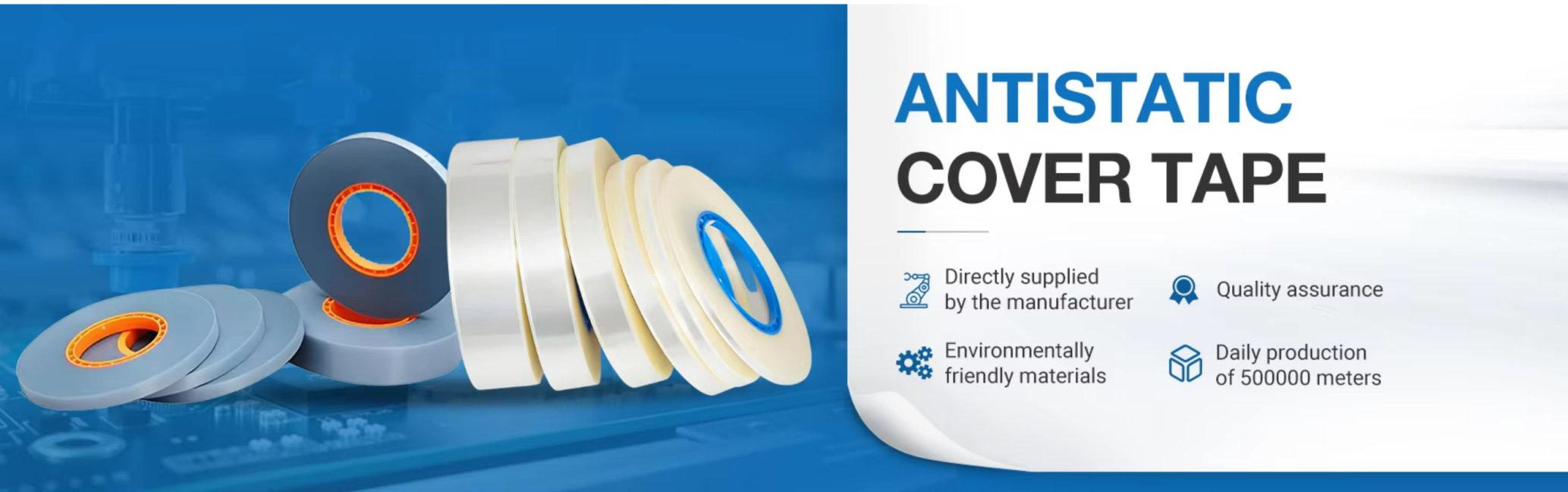
Cover Tape
Cover tape seals components inside the carrier tape pockets during transportation and feeding.
Important factors include:
-
Sealing stability
-
Peel strength consistency
-
SMT feeder compatibility
-
ESD performance
Improper cover tape performance is one of the most common causes of feeding issues in SMT production.
Plastic Reels
Plastic reels store and transport the finished carrier tape.
The correct reel size depends on:
-
Tape width
-
Component size
-
Production volume
-
SMT feeder compatibility
Stable reel winding helps reduce feeding interruptions during high-speed placement.
Tape & Reel Packaging Standards
The electronics industry uses standardized packaging specifications to ensure compatibility between packaging materials and SMT equipment.
The most commonly used standard is EIA-481.
This standard defines:
-
Carrier tape dimensions
-
Pocket spacing
-
Sprocket hole positioning
-
Component orientation
-
Reel specifications
Following industry standards is critical because SMT feeders are designed around these specifications.
Incorrect tape dimensions or inconsistent pocket pitch may cause feeding failures during automated assembly.
Manufacturers also test peel strength, pocket tolerances, and component orientation to ensure packaging quality remains stable across production batches.
Common Tape & Reel Packaging Applications
Tape & reel packaging is used across many electronics industries.
Semiconductor Devices
IC chips, memory devices, and power semiconductors often require anti-static carrier tape with precise pocket design.
LED Components
LED packaging requires stable positioning and reliable sealing because many LED components are lightweight and sensitive to movement.
Mini LED applications often require extremely precise carrier tape dimensions.
Passive Components
Resistors, capacitors, and inductors are commonly packaged using tape & reel systems for automated SMT feeding.
Automotive Electronics
Automotive components require high packaging reliability due to vibration resistance and strict quality requirements.
Common Tape & Reel Packaging Problems
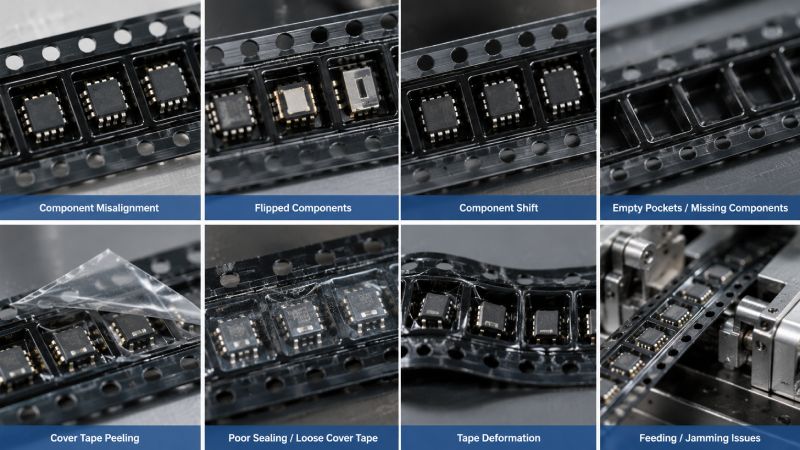
Component Misalignment
Improper pocket dimensions may cause components to rotate, flip, or move during transportation.
This can lead to pick-and-place failures during SMT assembly.
Cover Tape Peeling Issues
Excessive peel force may damage components during feeding, while weak sealing may cause components to escape from the pockets.
Maintaining stable peel strength is essential for production reliability.
Feeding Problems
Feeding problems are often caused by:
-
Inconsistent tape pitch
-
Poor reel winding
-
Pocket dimensional errors
-
Cover tape instability
These issues may reduce SMT line efficiency significantly.
ESD Risks
Improper packaging materials may expose sensitive components to electrostatic discharge.
Semiconductor packaging often requires anti-static materials and controlled handling environments.
Tape & Reel Packaging Machines
Manufacturers use different types of packaging machines depending on production scale and component complexity.
Semi-Automatic Machines
Semi-automatic systems are suitable for:
-
Small production batches
-
Flexible packaging requirements
-
Engineering sample production
Fully Automatic Packaging Systems
Fully automatic tape & reel systems support:
-
High-speed production
-
Vision inspection
-
Automatic sealing
-
Continuous reel winding
These systems are commonly used in large SMT manufacturing environments.
Inspection and Testing Equipment
Quality inspection equipment helps verify:
-
Pocket dimensions
-
Component orientation
-
Peel strength
-
Feeding stability
Vision inspection systems are increasingly important for high-precision semiconductor packaging.
How to Choose a Tape & Reel Packaging Supplier
Choosing the right packaging supplier is important for long-term SMT production stability.
Key factors include:
Engineering Capability
A professional supplier should support custom carrier tape design based on component drawings and packaging requirements.
Quality Control
Reliable suppliers perform:
-
Dimensional inspection
-
Peel force testing
-
Feeding simulation
-
ESD testing
Production Capacity
Stable production capacity and lead time management are important for large-volume electronics manufacturing.
Industry Experience
Suppliers with experience in semiconductor, LED, and automotive packaging are usually better prepared for complex packaging requirements.
Future Trends in Tape & Reel Packaging
As electronic components continue becoming smaller and more complex, tape & reel packaging technology is also evolving.
Future trends include:
-
Higher-precision carrier tape design
-
Faster SMT automation
-
Smarter vision inspection systems
-
Improved ESD protection materials
-
More sustainable packaging materials
Miniaturization and high-speed SMT production will continue driving demand for advanced packaging solutions.
Conclusion
Tape & reel packaging has become an essential part of modern SMT electronics manufacturing. From semiconductor devices to passive components and automotive electronics, reliable packaging directly affects feeding stability, placement accuracy, and production efficiency.
A well-designed tape & reel system helps protect sensitive components, reduce SMT downtime, and improve automated assembly performance.
As electronics manufacturing continues evolving toward higher speed and greater precision, the importance of high-quality carrier tape, cover tape, and reel packaging solutions will continue to grow.
FAQ
What is tape & reel packaging used for?
Tape & reel packaging is used to package electronic components for automated SMT assembly and transportation.
What is the difference between carrier tape and cover tape?
Carrier tape holds the components in pockets, while cover tape seals the pockets during storage and feeding.
Why is EIA-481 important?
EIA-481 standardizes carrier tape dimensions and packaging specifications for SMT compatibility.
What components use tape & reel packaging?
IC chips, LEDs, resistors, capacitors, sensors, connectors, and semiconductor devices commonly use tape & reel packaging.
Why do SMT machines require tape & reel packaging?
Tape & reel packaging enables continuous automatic feeding during high-speed SMT assembly.
What causes SMT feeding problems?
Common causes include incorrect pocket dimensions, unstable cover tape sealing, poor reel winding, and inconsistent tape pitch.



 Emial
Emial John Mr