
Paper Carrier Tape: Complete Guide for SMT Packaging and Electronic Components
Paper carrier tape plays an important role in modern SMT (Surface Mount Technology) production and electronic component packaging. From resistors and capacitors to LEDs and small semiconductor devices, many lightweight electronic parts rely on paper carrier tape for stable automated feeding during tape and reel packaging processes.
Compared with embossed plastic carrier tape, paper carrier tape is often chosen for its lower cost, lightweight structure, and efficient compatibility with high-volume SMT assembly lines. It is widely used in consumer electronics, industrial electronics, automotive applications, and large-scale component manufacturing.
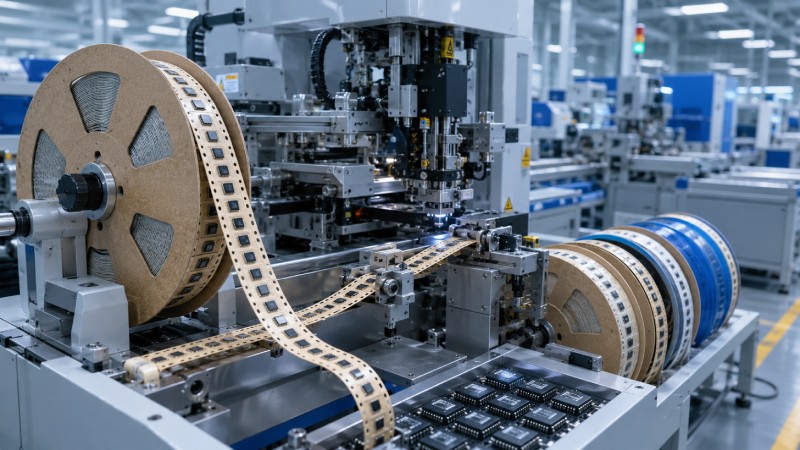
In this complete guide, you will learn what paper carrier tape is, how it works, its key advantages and limitations, common applications, technical specifications, and how to choose the right supplier or packaging solution for your SMT production needs.
What Is Paper Carrier Tape?
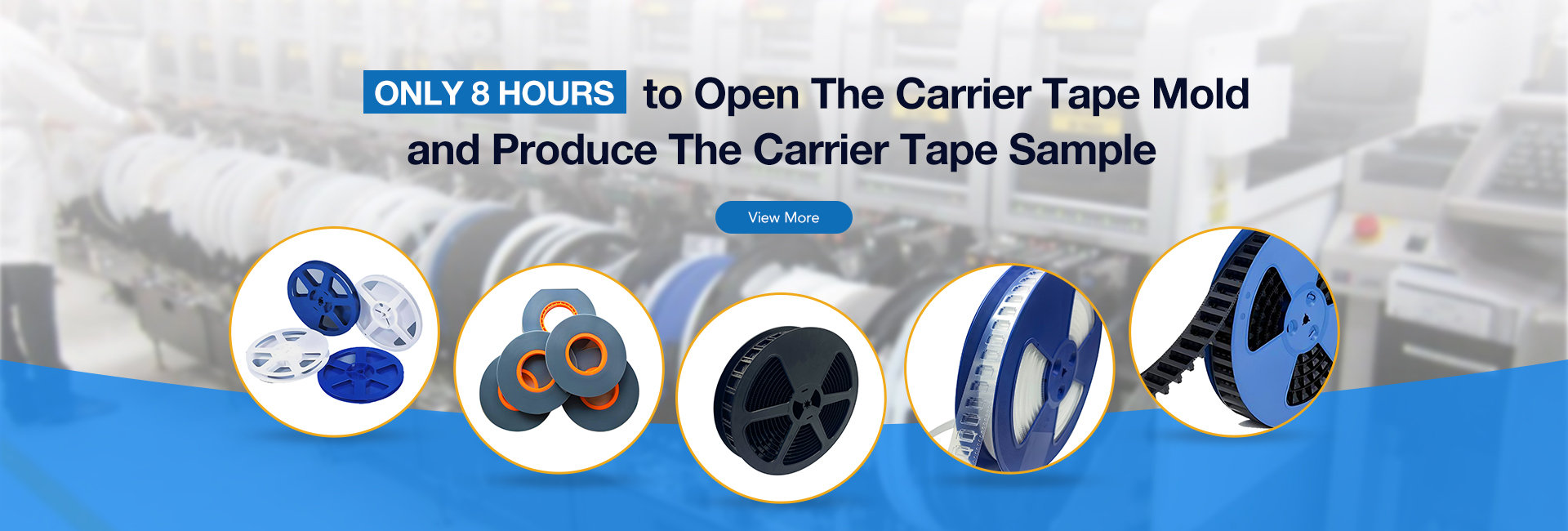
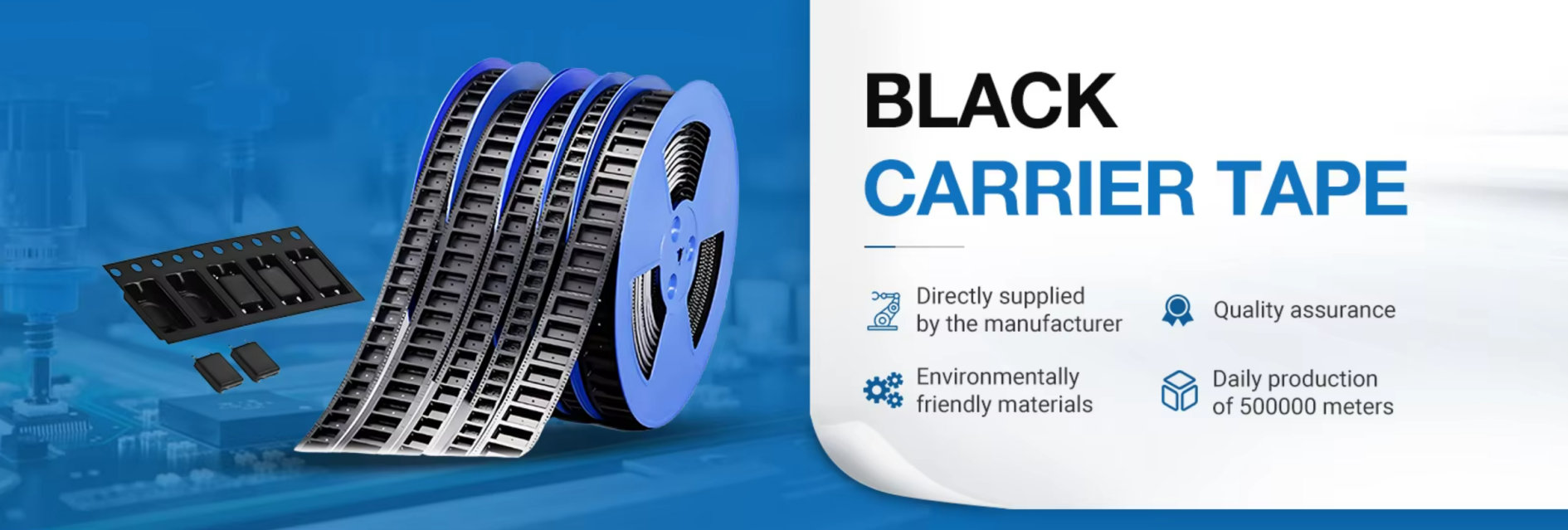
Paper carrier tape is a packaging material used to hold and transport electronic components during automated SMT assembly processes. It is typically wound onto reels and combined with cover tape to create a tape and reel packaging system compatible with pick-and-place machines.
The tape contains evenly spaced pockets designed to securely hold electronic components in fixed positions. During SMT production, automated feeders advance the tape step by step, allowing machines to pick components accurately and efficiently.
Paper carrier tape is especially common for lightweight and small-sized components such as:
-
Chip resistors
-
Ceramic capacitors
-
Inductors
-
Small LEDs
-
Diodes
Unlike embossed plastic carrier tape, paper carrier tape is generally manufactured using processed kraft paper materials. This makes it lighter and often more economical for large-volume packaging applications.
Another important advantage is compatibility with automated SMT systems. Stable pocket spacing and accurate sprocket holes help ensure smooth feeding performance during high-speed assembly operations.
Structure and Materials of Paper Carrier Tape
Paper carrier tape may look simple from the outside, but its structure is carefully engineered to support reliable SMT feeding and component protection.
Base Paper Material
Most paper carrier tapes are made from high-strength kraft paper or fiber-based industrial paper materials. The paper is processed to achieve:
-
Consistent thickness
-
Good tensile strength
-
Stable feeding performance
-
Resistance to tearing during automated feeding
The material must remain stable during reel winding, transportation, and high-speed SMT machine operation.
Pocket Structure
The pockets are designed according to the size and shape of the electronic component being packaged. Their main purpose is to:
-
Prevent component movement
-
Maintain orientation consistency
-
Reduce feeding errors
-
Protect components during transportation
Pocket depth, width, and pitch must match component dimensions precisely to ensure reliable pick-and-place performance.
Cover Tape Integration
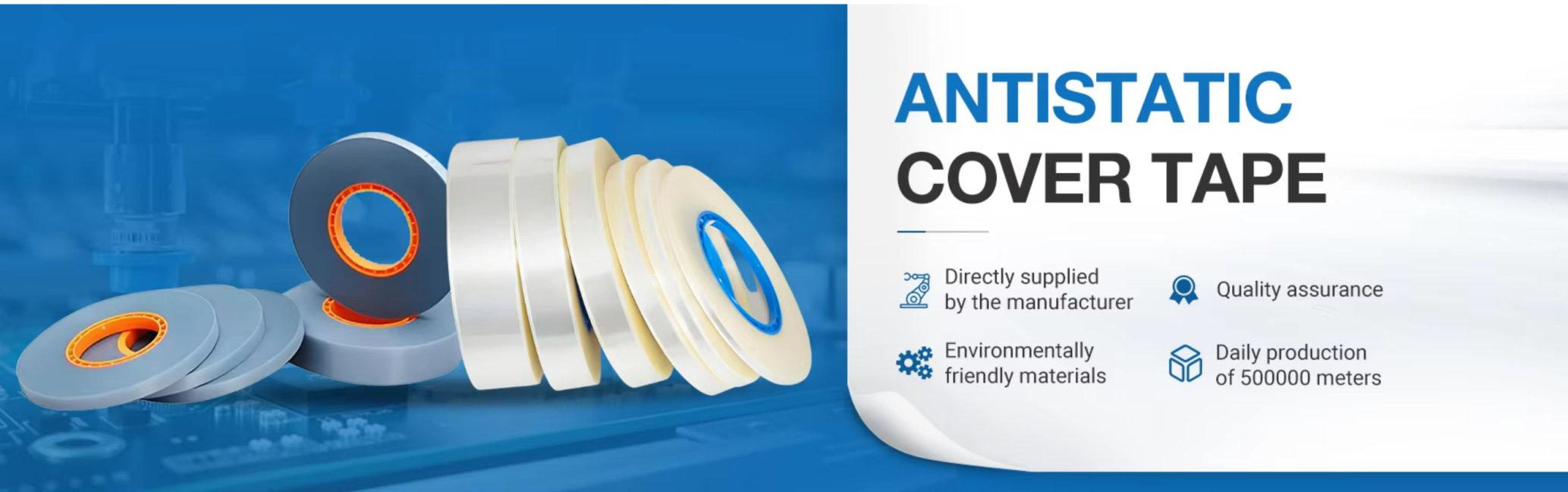
After components are loaded into the pockets, a cover tape seals the top surface of the carrier tape. This prevents components from falling out during shipping or machine feeding.
The peel strength between the paper carrier tape and cover tape is extremely important. If the seal is too weak, components may escape. If the seal is too strong, SMT feeding interruptions may occur.
Many manufacturers use dedicated inspection systems such as Carrier Tape Peel Strength Tester for Packaging Validation systems to verify sealing consistency.
Reel Configurations
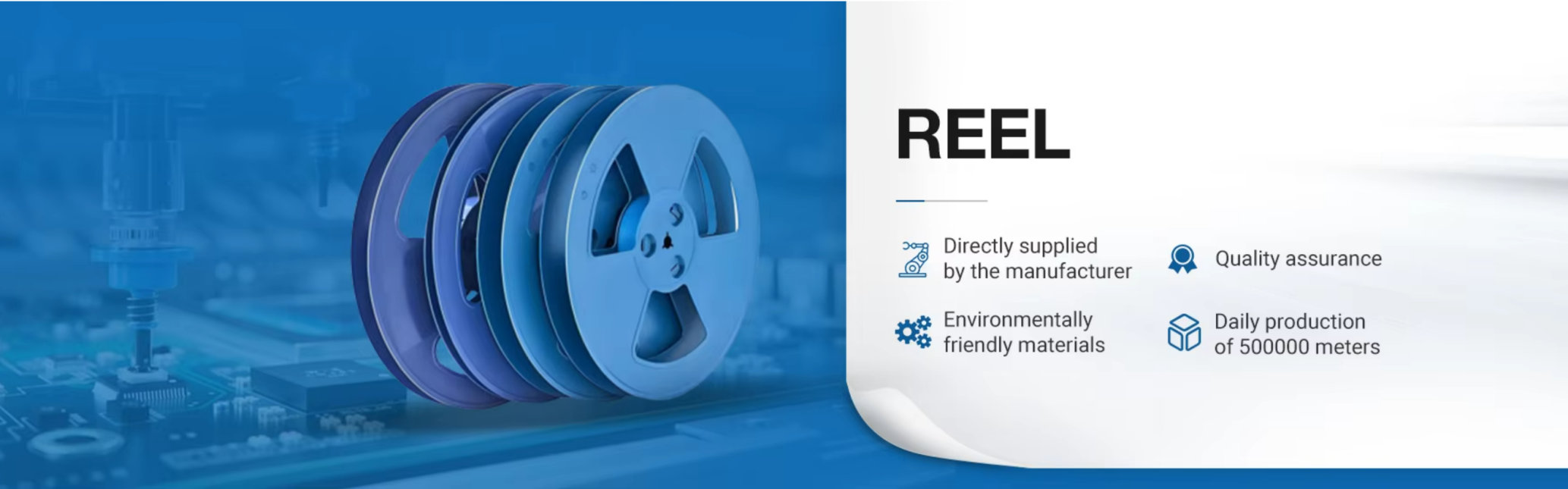
Paper carrier tape is typically supplied on standard reels compatible with SMT feeder systems. Common reel sizes include:
-
7-inch reels
-
13-inch reels
Standard tape widths include:
-
8mm
-
12mm
-
16mm
-
24mm
These dimensions usually follow EIA industry standards to ensure feeder compatibility.
Main Applications of Paper Carrier Tape
Paper carrier tape is widely used across the electronics manufacturing industry because it provides an efficient and cost-effective solution for automated component packaging.
Passive Components
One of the most common applications is passive component packaging. This includes:
-
Resistors
-
Capacitors
-
Ferrite beads
-
Inductors
These components are generally lightweight and suitable for paper-based packaging structures.
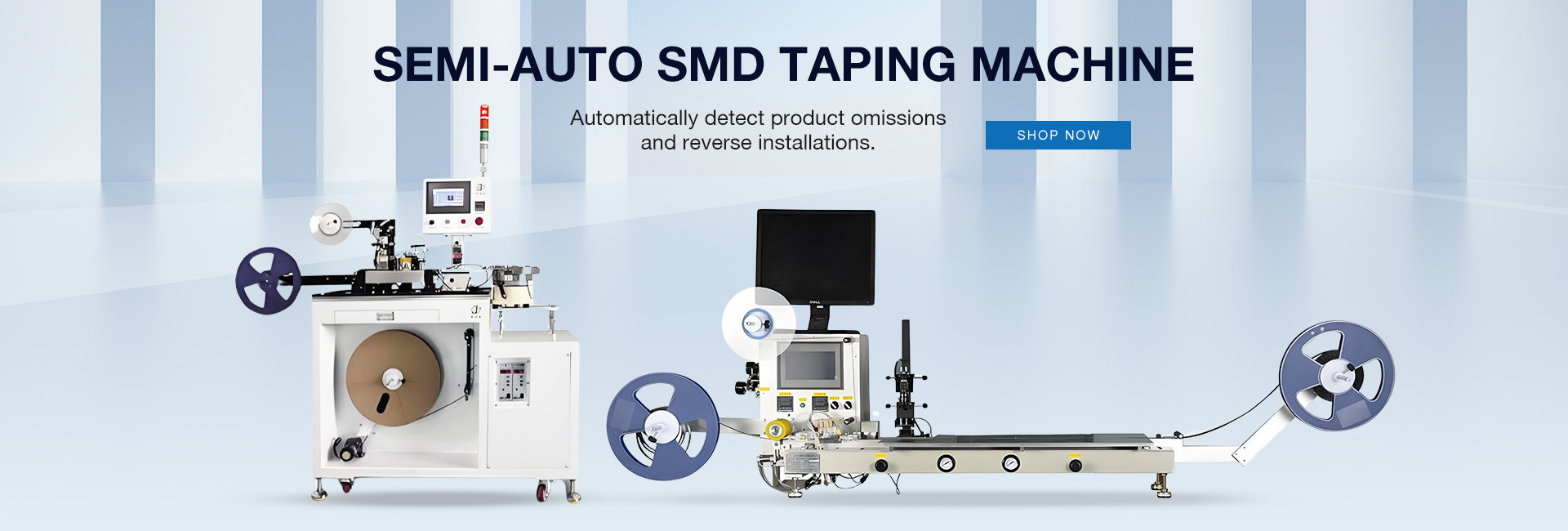
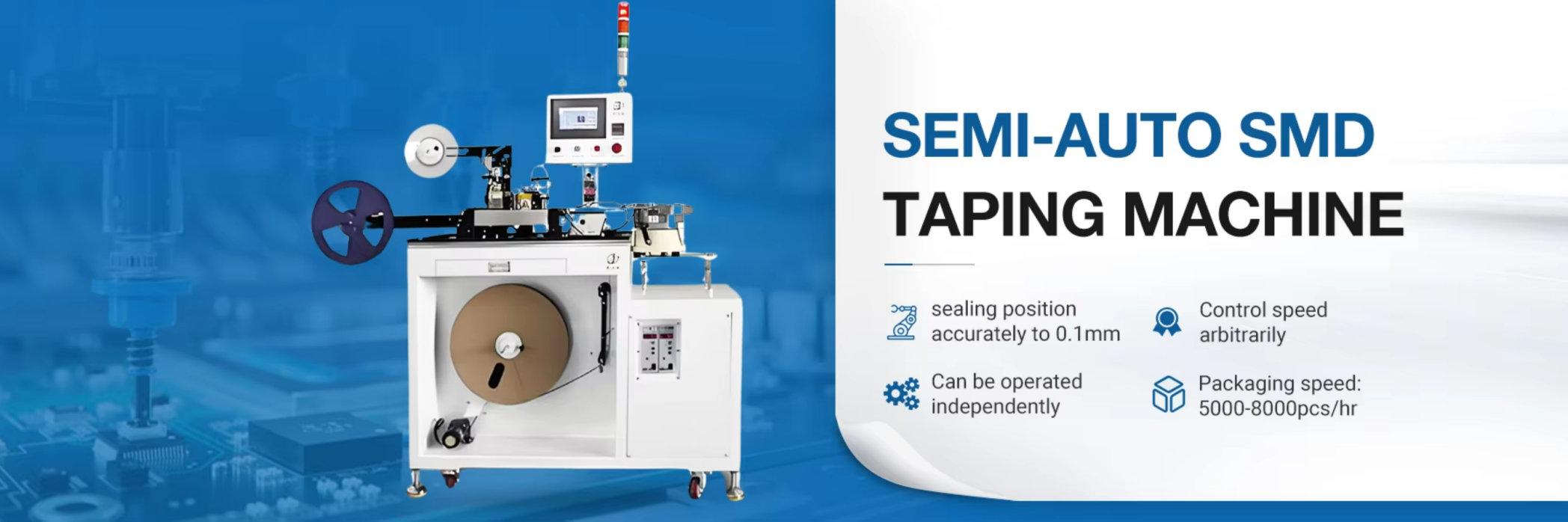
Manufacturers handling passive components often rely on automated Tape & Reel Packaging Machines for Carrier Tape Assembly to improve packaging efficiency and maintain consistent feeding quality.
LED and Small Electronic Components
Paper carrier tape is also commonly used for:
-
LEDs
-
Small connectors
-
Diodes
-
Compact electronic parts
For lightweight products, paper carrier tape provides sufficient protection while keeping packaging costs low.
High-Volume SMT Production
Large-scale SMT factories prefer paper carrier tape because it supports stable automated feeding while reducing overall packaging expenses.
Industries using paper carrier tape include:
-
Consumer electronics
-
Smart home products
-
Automotive electronics
-
Industrial control systems
Because SMT lines often operate continuously at high speed, feeding stability is critical. Reliable tape quality helps reduce downtime and feeder-related production interruptions.
Advantages of Paper Carrier Tape
Paper carrier tape remains popular because it balances cost efficiency, automation compatibility, and practical performance.
Lower Packaging Cost
Compared with embossed plastic carrier tape, paper carrier tape usually has:
-
Lower raw material costs
-
Reduced tooling expenses
-
Lower production complexity
For high-volume packaging operations, these savings can become significant.
This is especially valuable for manufacturers packaging millions of passive components every month.
Lightweight Transportation
Paper carrier tape is lighter than many plastic alternatives. Lower packaging weight can help reduce:
-
Shipping costs
-
Warehouse storage weight
-
Export logistics expenses
For global electronics supply chains, transportation efficiency directly impacts operating costs.
Environmentally Friendly Option
As sustainability becomes increasingly important, many companies are looking for packaging materials that reduce plastic usage.
Paper carrier tape offers several environmental benefits:
-
Reduced plastic consumption
-
Easier recycling potential
-
Lower environmental impact
This can support corporate sustainability goals and improve environmentally responsible manufacturing practices.
Stable SMT Feeding Performance
Modern paper carrier tape is designed to support automated feeding systems efficiently.
Benefits include:
-
Smooth indexing
-
Consistent pocket spacing
-
Reliable sprocket hole alignment
-
Stable pick-and-place positioning
When combined with quality sealing systems and proper reel winding, paper carrier tape can achieve highly stable feeding performance.
High-Speed Packaging Compatibility
Many modern packaging lines use fully automated systems such as Fully Automatic Carrier Tape Packaging Machine solutions to improve production efficiency.
These systems allow manufacturers to:
-
Increase packaging speed
-
Reduce labor costs
-
Improve consistency
-
Minimize human error
Limitations of Paper Carrier Tape
Although paper carrier tape has many advantages, it is not suitable for every application.
Moisture Sensitivity
Paper materials can be affected by humidity and moisture exposure. Poor storage conditions may lead to:
-
Material deformation
-
Reduced mechanical strength
-
Feeding instability
Manufacturers should store carrier tape in controlled environments whenever possible.
Limited Protection for Heavy Components
Paper carrier tape is generally better suited for lightweight components.
Heavy or irregularly shaped parts may require:
-
Stronger pocket structures
-
Higher rigidity
-
Better shock resistance
In these situations, embossed plastic carrier tape may be a better option.
Precision Limitations
Compared with embossed plastic tape, paper carrier tape may offer lower dimensional precision.
Ultra-small semiconductor devices or highly sensitive IC components often require tighter tolerances that are easier to achieve with plastic carrier tape systems.
Paper Carrier Tape vs Embossed Carrier Tape
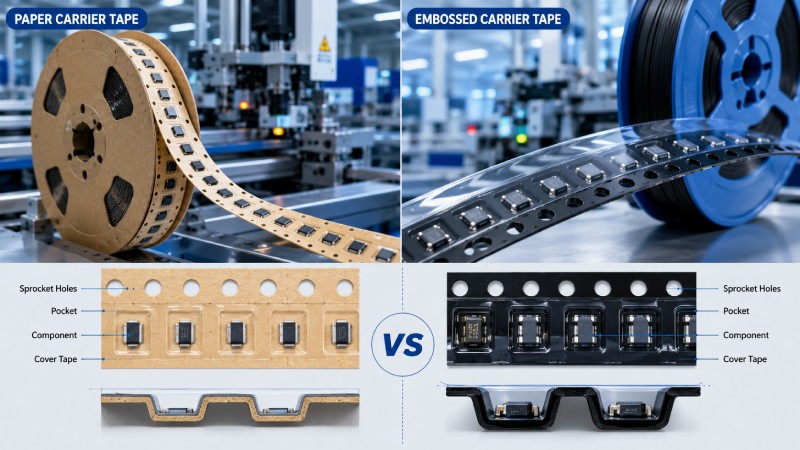
Choosing between paper carrier tape and embossed carrier tape depends on component type, production requirements, and packaging priorities.
| Factor | Paper Carrier Tape | Embossed Carrier Tape |
|---|---|---|
| Material | Paper | Plastic |
| Cost | Lower | Higher |
| Weight | Lightweight | Heavier |
| Precision | Medium | High |
| Eco-Friendly | Better | Moderate |
| Best Applications | Passive components | ICs and precision devices |
When Paper Carrier Tape Is Better
Paper carrier tape is usually the better choice when:
-
Components are lightweight
-
Production volume is high
-
Packaging cost is important
-
Standard SMT feeding is sufficient
When Embossed Carrier Tape Is Better
Embossed plastic carrier tape is often preferred when:
-
Components are fragile
-
Tight tolerances are required
-
High protection levels are necessary
-
Precision feeding is critical
Understanding these differences helps buyers choose the most suitable packaging solution for their products.
How Paper Carrier Tape Is Manufactured
The manufacturing process of paper carrier tape involves several important stages designed to ensure feeding consistency and packaging quality.
Material Preparation
Industrial paper materials are processed and slit into the required tape widths.
Surface treatment may also be applied to improve:
-
Durability
-
Feeding stability
-
Sealing performance
Pocket Forming
Specialized forming systems create pockets according to component dimensions.
Precision during this stage is critical because pocket inconsistencies may cause SMT feeding problems later.
Component Loading
Automated systems load components into the pockets while controlling orientation and positioning accuracy.
Many manufacturers use advanced carrier tape packaging machines to improve efficiency and reduce handling errors.
Cover Tape Sealing
Cover tape is applied and sealed using heat or pressure-based methods.
Manufacturers often inspect peel strength carefully to ensure smooth SMT feeder performance.
Final Inspection and Reel Packaging
Before shipment, finished reels undergo inspections including:
-
Visual inspection
-
Pocket dimension testing
-
Reel winding verification
-
Feeding simulation tests
Quality control is essential because even small inconsistencies can affect SMT line performance.
Key Specifications Buyers Should Understand
Before purchasing paper carrier tape, buyers should understand several important specifications.
Tape Width
Common widths include:
-
8mm
-
12mm
-
16mm
-
24mm
The width must match both the component size and SMT feeder requirements.
Pocket Dimensions
Pocket size directly affects:
-
Component stability
-
Feeding consistency
-
Pick-and-place accuracy
Improper pocket sizing may lead to misalignment or component flipping.
Peel Strength
Stable cover tape peel strength is critical for reliable feeding.
Too much force may interrupt feeding, while too little force may allow components to escape.
Reel Size Compatibility
Different SMT feeders support different reel sizes. Buyers should verify compatibility with existing production equipment before ordering.
EIA Compliance
EIA-standard carrier tape dimensions help ensure compatibility across different SMT machines and feeder systems.
How to Choose the Right Paper Carrier Tape Supplier
Choosing the right supplier is important because packaging quality directly affects SMT production efficiency.
Evaluate Industry Experience
Suppliers with experience in SMT packaging understand:
-
Feeding requirements
-
Pocket precision
-
Reel winding consistency
-
Cover tape sealing quality
Review Equipment Capability
Modern manufacturers should have:
-
Automated packaging systems
-
Inspection equipment
-
Peel strength testing systems
-
Precision forming machines
Confirm Customization Support
Different components require different tape structures.
A capable supplier should support:
-
Custom pocket design
-
Various tape widths
-
Special reel configurations
-
Application-specific packaging solutions
Check Quality Control Standards
Reliable suppliers typically perform:
-
Dimensional inspections
-
Feeding tests
-
Seal strength verification
-
Visual quality checks
Consistent quality control helps reduce SMT production risks.
Compare Lead Time and MOQ
Production flexibility is also important.
Buyers should evaluate:
-
Sample lead time
-
Mass production lead time
-
Minimum order quantities
-
Engineering support responsiveness
Future Trends of Paper Carrier Tape Packaging
The paper carrier tape industry continues evolving alongside SMT manufacturing technology.
Several trends are becoming increasingly important:
-
Sustainable packaging materials
-
Reduced plastic usage
-
Higher-speed SMT compatibility
-
Automated inspection systems
-
Smarter packaging quality monitoring
As SMT production speeds continue increasing, carrier tape quality requirements will also become stricter.
Manufacturers investing in advanced automation and quality control systems are more likely to meet future industry demands.
Conclusion
Paper carrier tape remains an important solution for SMT packaging and automated electronic component handling. Its lower cost, lightweight structure, stable feeding performance, and environmental advantages make it highly suitable for passive components and high-volume electronics manufacturing.
However, selecting the right carrier tape requires careful consideration of component type, SMT feeder compatibility, precision requirements, and production conditions.
Whether you are packaging resistors, capacitors, LEDs, or other lightweight electronic components, choosing reliable packaging materials and professional tape and reel equipment can significantly improve SMT production efficiency and reduce operational risks.
For manufacturers seeking higher packaging consistency and automation performance, investing in advanced carrier tape packaging systems and validation equipment can provide long-term production advantages.



 Emial
Emial John Mr