
What Is Paper Carrier Tape? Definition, Uses, Structure, and SMT Packaging Basics
Paper carrier tape is a paper-based packaging material used to hold, protect, and transport electronic components during SMT (Surface Mount Technology) assembly processes. It is commonly used in tape and reel packaging systems for components such as resistors, capacitors, LEDs, and other lightweight SMT parts.
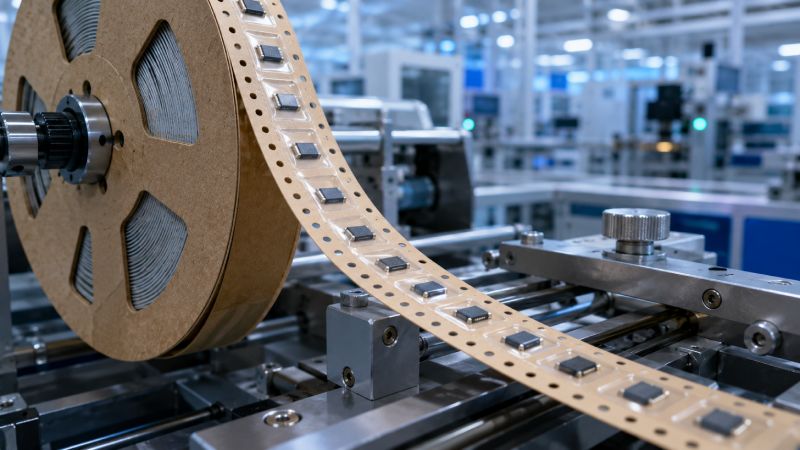
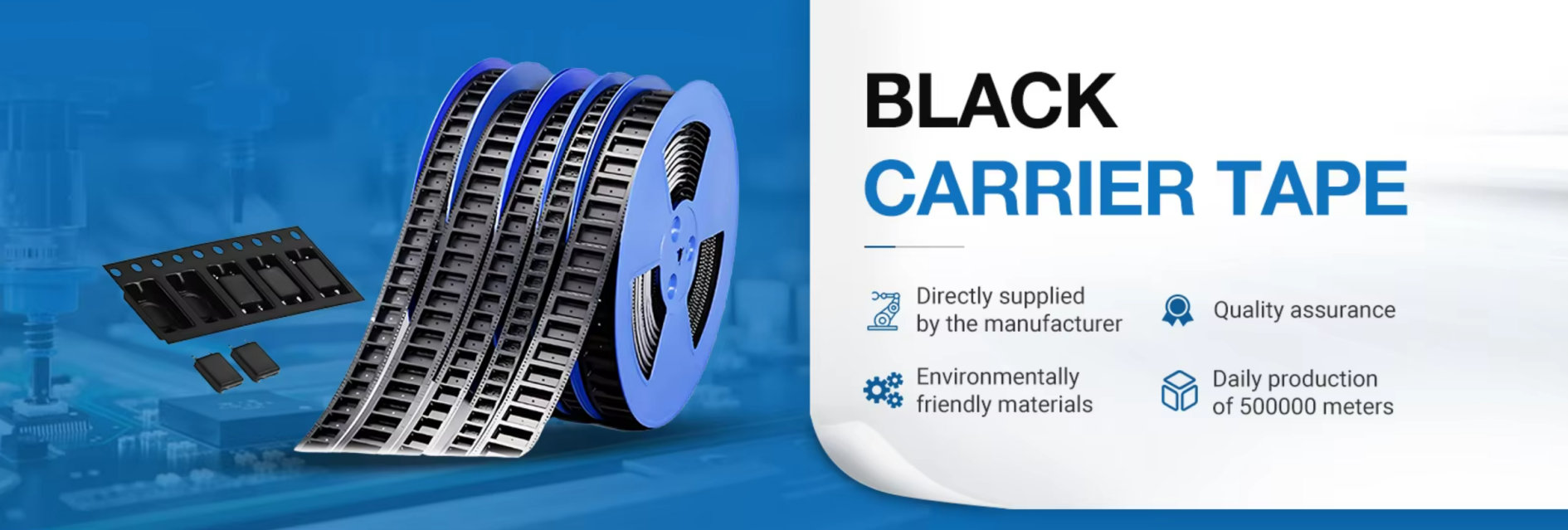
The tape contains evenly spaced pockets that securely position electronic components while a transparent cover tape seals the top surface. The packaged tape is then wound onto reels and fed automatically into SMT pick-and-place machines during production.
Because of its lower cost, lightweight structure, and compatibility with automated assembly lines, paper carrier tape remains widely used across consumer electronics, industrial electronics, and high-volume SMT manufacturing environments.
What Does Paper Carrier Tape Do?
Paper carrier tape may appear simple, but it performs several important functions in SMT production and electronic component handling.
Holds Electronic Components in Position
The primary purpose of paper carrier tape is to keep components securely positioned during transportation and automated feeding.
Each tape contains precisely spaced pockets that match the dimensions of the component being packaged. These pockets help:
-
Prevent movement
-
Maintain component orientation
-
Reduce handling damage
-
Improve feeding accuracy
Without properly designed carrier tape, small SMT components could shift during transportation or feeding, causing pick-and-place errors during assembly.
Supports Automated SMT Feeding
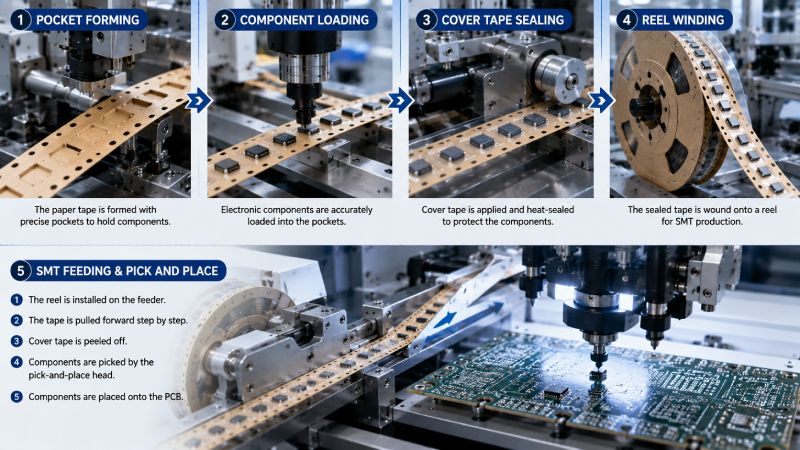
Modern SMT production relies heavily on automation. Paper carrier tape allows electronic components to feed smoothly into pick-and-place machines.
As the tape moves through the SMT feeder system:
-
The reel rotates gradually
-
The tape advances step by step
-
The cover tape peels away
-
Components become exposed
-
The pick-and-place head picks the component
This automated process allows manufacturers to achieve high-speed production while maintaining accuracy and consistency.
Protects Components During Shipping
Paper carrier tape also helps protect sensitive components from:
-
Dust
-
Static exposure
-
Handling damage
-
Feeding misalignment
Although it is lighter than plastic carrier tape, properly designed paper carrier tape still provides reliable protection for many standard SMT components.
How Paper Carrier Tape Works
Understanding how paper carrier tape works helps explain why it is so widely used in SMT packaging systems.
Components Are Loaded Into Pockets
During the packaging process, electronic components are automatically loaded into pockets formed within the paper tape.
These pockets are designed according to:
-
Component size
-
Thickness
-
Shape
-
Orientation requirements
Accurate pocket positioning is important because SMT machines depend on precise component alignment during high-speed production.
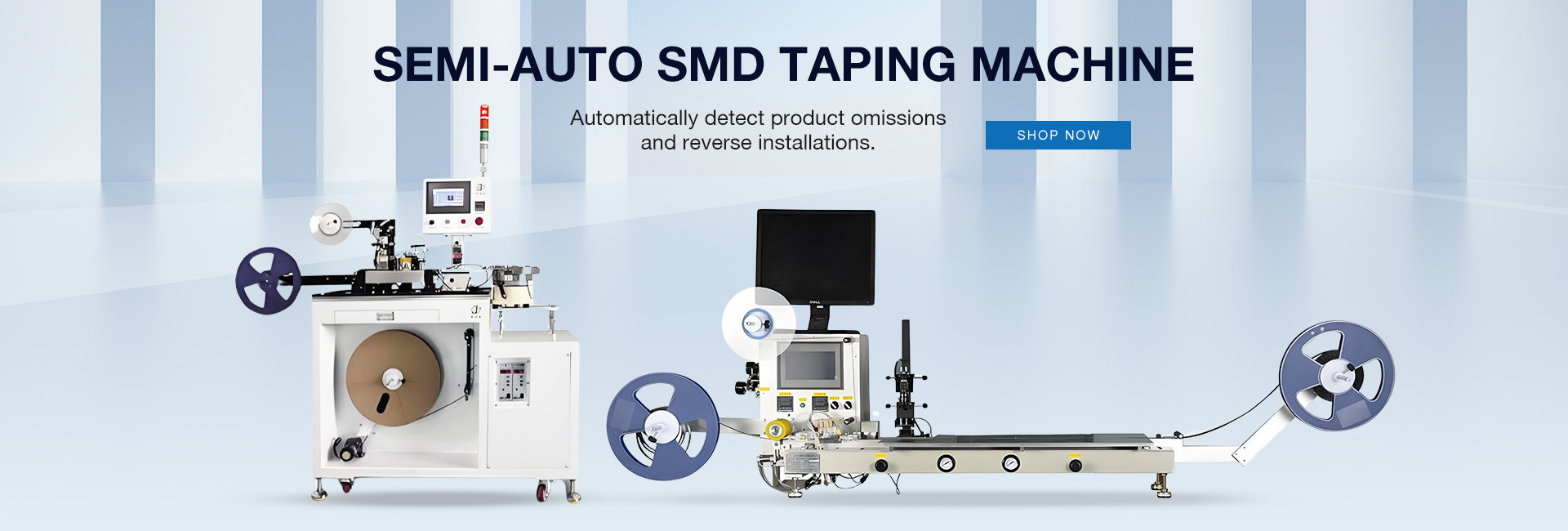
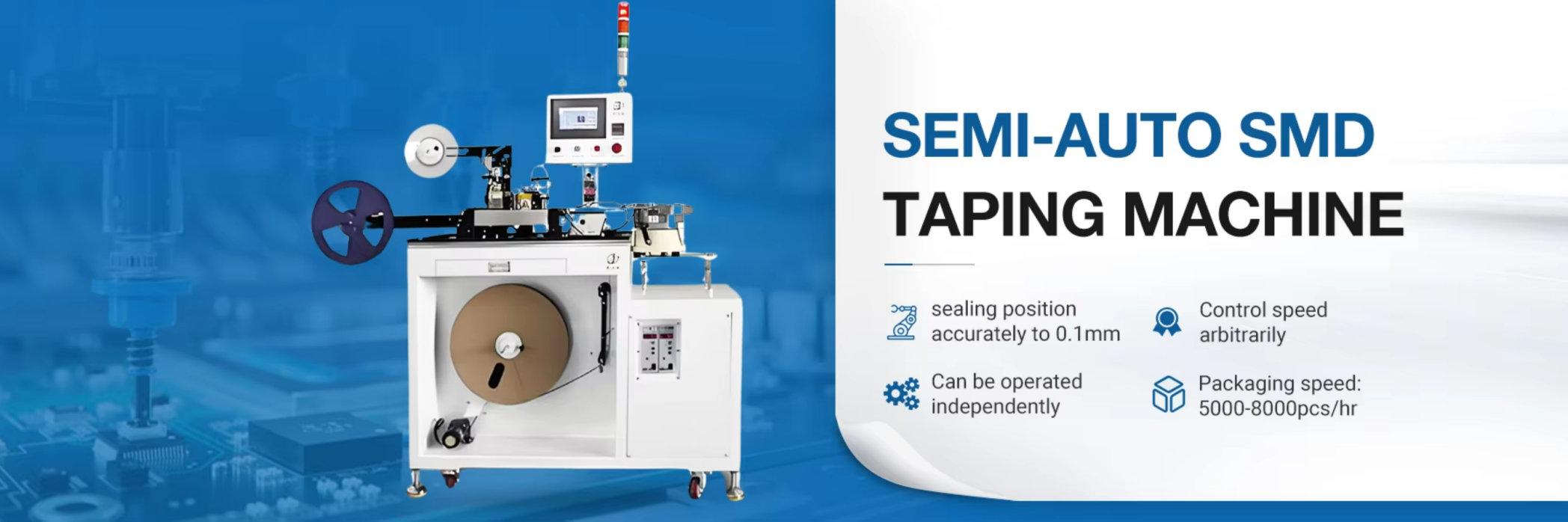
Many manufacturers use automated Tape & Reel Packaging Machines for Carrier Tape Assembly to ensure loading consistency and improve packaging efficiency.
Cover Tape Seals the Components
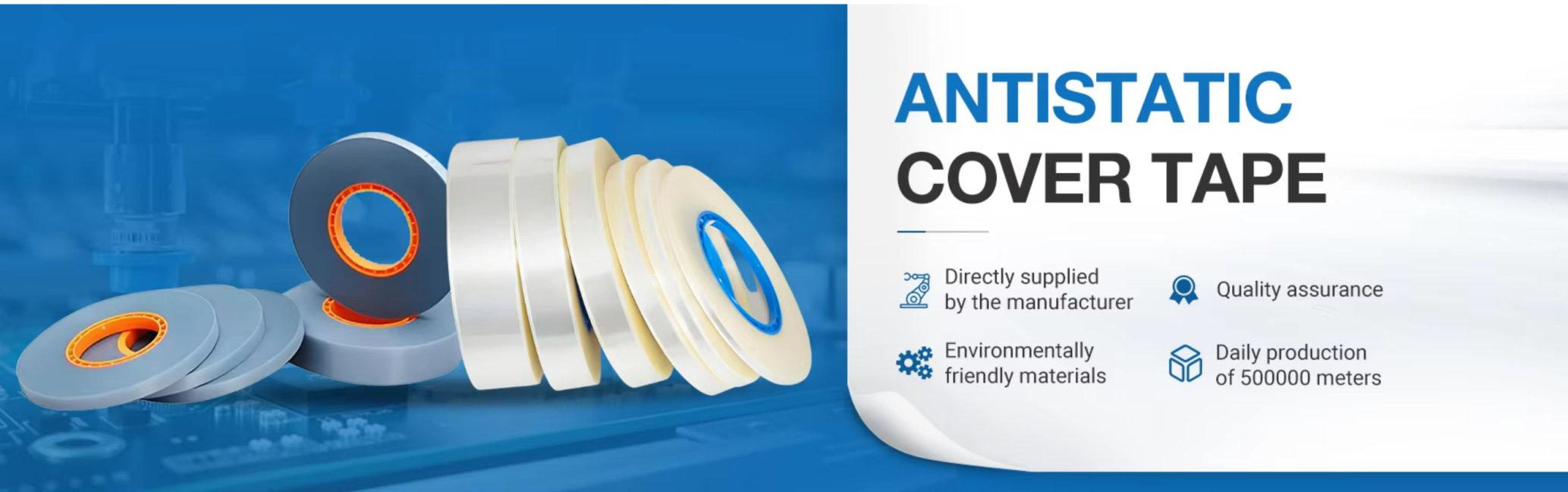
After the components are loaded, a cover tape seals the top of the carrier tape.
The cover tape serves several purposes:
-
Prevents components from falling out
-
Protects parts during shipping
-
Maintains stable feeding performance
-
Supports automated peeling during SMT assembly
The sealing force must be carefully controlled. If the seal is too weak, components may escape. If it is too strong, feeder interruptions can occur.
To maintain stable performance, manufacturers often use specialized inspection equipment such as Carrier Tape Peel Strength Tester for Packaging Validation systems.
SMT Machines Feed the Tape Automatically
Once packaged onto reels, the carrier tape is installed into SMT feeder systems.
As production begins:
-
The feeder indexes the tape forward
-
The cover tape peels back
-
Components become exposed one by one
-
Pick-and-place machines remove the parts
This automated process allows SMT lines to operate continuously at very high speed.
Reliable feeding performance is one of the main reasons why carrier tape packaging is essential in modern electronics manufacturing.
What Is Paper Carrier Tape Made Of?
Paper carrier tape is primarily manufactured using specially processed industrial paper materials designed for SMT feeding applications.
Paper-Based Material Structure
Most paper carrier tape uses kraft paper or reinforced fiber-based materials.
These materials are selected because they provide:
-
Stable feeding performance
-
Lightweight handling
-
Good flexibility
-
Sufficient mechanical strength
The paper must remain stable during:
-
Reel winding
-
Transportation
-
Automated feeder operation
Consistent material quality is important because even small defects can affect SMT feeding reliability.
Why Paper Is Used
Paper is commonly used because it offers several practical advantages for lightweight electronic components.
Compared with some plastic materials, paper carrier tape is often:
-
More economical
-
Easier to process
-
Lighter for transportation
-
More environmentally friendly
This makes it especially suitable for high-volume packaging applications involving passive components.
Cover Tape and Reel Integration
Paper carrier tape works together with:
-
Cover tape
-
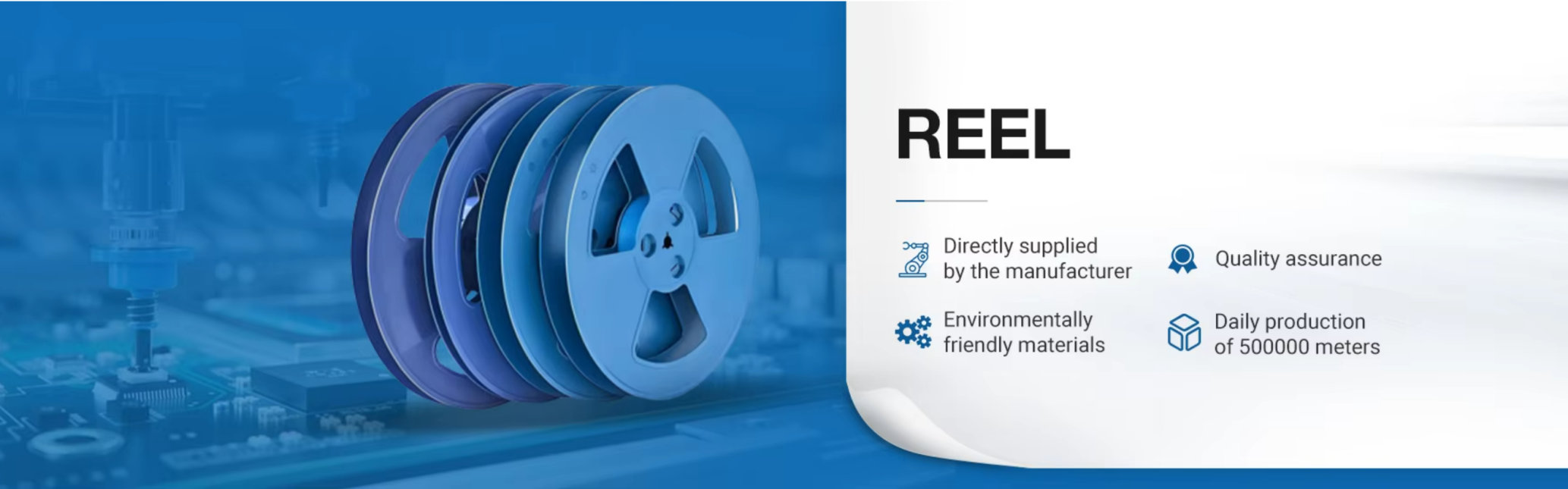
Plastic or paper reels
-
SMT feeder systems
All of these elements must function together smoothly to maintain stable automated feeding performance.
Even if the carrier tape itself is properly manufactured, poor reel winding or unstable cover tape sealing can still create feeding problems.
Common Components Packaged in Paper Carrier Tape
Paper carrier tape is widely used for many standard SMT components, especially lightweight devices.
Passive Components
The most common application is passive component packaging.
Examples include:
-
Chip resistors
-
Ceramic capacitors
-
Ferrite beads
-
Small inductors
These components are usually compact and lightweight, making them suitable for paper-based packaging structures.
High-volume passive component manufacturers frequently rely on automated Fully Automatic Carrier Tape Packaging Machine systems to improve packaging speed and reduce labor costs.
Small SMT Electronic Parts
Paper carrier tape is also commonly used for:
-
LEDs
-
Diodes
-
Small connectors
-
Compact sensors
These products often require stable SMT feeding but may not require the higher rigidity of embossed plastic carrier tape.
Why Lightweight Components Are Ideal
Paper carrier tape performs best with lightweight components because:
-
The pockets experience less stress
-
Feeding stability is easier to maintain
-
Packaging costs remain low
-
Reel weight stays manageable
For heavier or highly fragile components, manufacturers may prefer embossed plastic carrier tape instead.
Why Manufacturers Use Paper Carrier Tape
Paper carrier tape remains popular because it supports efficient SMT production while helping reduce overall packaging costs.
Lower Packaging Cost
One major advantage is cost efficiency.
Paper carrier tape often has:
-
Lower material costs
-
Lower tooling expenses
-
Simpler production processes
For manufacturers packaging millions of SMT components, these savings can become significant.
This is especially important in highly competitive electronics industries where cost control directly affects profitability.
Compatible With Automated SMT Production
Modern SMT assembly lines require stable automated feeding systems.
Paper carrier tape supports:
-
Continuous production
-
High-speed feeder operation
-
Reduced manual handling
-
Improved assembly efficiency
Reliable carrier tape helps reduce feeder stoppages and production interruptions.
Lightweight for Shipping and Storage
Because paper carrier tape is lightweight, it can help reduce:
-
Transportation weight
-
Shipping costs
-
Warehouse handling effort
Large electronics manufacturers often handle massive volumes of reels every day, so lightweight packaging provides practical logistical advantages.
Improved Sustainability
Many companies are also trying to reduce plastic consumption in their supply chains.
Paper carrier tape may help support sustainability goals because it:
-
Uses less plastic material
-
Can improve recyclability
-
Reduces environmental impact in some applications
As environmental regulations become stricter globally, interest in paper-based packaging solutions continues growing.
Paper Carrier Tape vs Plastic Carrier Tape
Paper carrier tape and plastic carrier tape serve similar purposes, but they are designed for different applications.
| Feature | Paper Carrier Tape | Plastic Carrier Tape |
|---|---|---|
| Material | Paper | Plastic |
| Weight | Lighter | Heavier |
| Cost | Lower | Higher |
| Precision | Medium | Higher |
| Typical Use | Passive components | ICs and precision parts |
Material Difference
Paper carrier tape uses processed paper materials, while embossed carrier tape uses plastics such as PS, PET, or PC materials.
Plastic tapes usually provide:
-
Higher rigidity
-
Better dimensional precision
-
Stronger protection
Paper tapes focus more on economical packaging for standard SMT parts.
Cost Difference
Paper carrier tape is often more cost-effective for high-volume applications involving small lightweight components.
Plastic carrier tape generally involves:
-
Higher material costs
-
More complex tooling
-
Higher production expenses
Application Difference
Paper carrier tape is commonly used for:
-
Resistors
-
Capacitors
-
Small LEDs
Plastic carrier tape is more commonly used for:
-
IC chips
-
Precision semiconductors
-
Fragile electronic devices
Choosing the correct carrier tape depends heavily on the component type and SMT production requirements.
Basic Paper Carrier Tape Sizes and Formats
Paper carrier tape comes in multiple standard formats designed for SMT feeder compatibility.
Common Tape Widths
The most common widths include:
-
8mm
-
12mm
-
16mm
-
24mm
Smaller components usually use narrower tapes, while larger parts require wider formats.
Reel Packaging Formats
After packaging, the tape is wound onto reels for automated feeding.
Common reel sizes include:
-
7-inch reels
-
13-inch reels
These reel standards help ensure compatibility across different SMT feeder systems.
Pocket Size Basics
Pocket dimensions must closely match component size.
Incorrect pocket sizing can lead to:
-
Component flipping
-
Feeding instability
-
Pick-and-place errors
This is why precision pocket design remains important even for paper-based carrier tape systems.
Industries That Use Paper Carrier Tape
Paper carrier tape is used across many electronics manufacturing industries.
Consumer Electronics
Examples include:
-
Smartphones
-
Smart home products
-
Wearable devices
-
Audio equipment
These products often use large volumes of passive SMT components.
Automotive Electronics
Automotive systems use SMT components in:
-
Sensors
-
Control modules
-
Lighting systems
-
Electronic monitoring systems
Reliable packaging is important because automotive production lines require stable automation.
Industrial Electronics
Industrial equipment manufacturers also use paper carrier tape for:
-
Control boards
-
Power modules
-
Automation systems
-
Industrial sensors
As SMT manufacturing continues expanding globally, paper carrier tape remains an important part of automated component packaging systems.
Conclusion
Paper carrier tape is a widely used SMT packaging solution designed to hold, protect, and feed electronic components during automated assembly processes. Its lightweight structure, lower cost, and compatibility with high-speed SMT production make it especially suitable for passive components and small electronic devices.
Although it may not provide the same precision or protection as embossed plastic carrier tape, paper carrier tape continues to play an important role in large-scale electronics manufacturing because of its efficiency and cost advantages.
For manufacturers seeking stable SMT feeding performance and reliable automated packaging, choosing high-quality carrier tape materials and professional tape and reel packaging equipment remains essential for long-term production success.



 Emial
Emial John Mr