
Quality Control in Paper Carrier Tape Packaging: Inspection Methods, Standards & Best Practices
In the electronics manufacturing industry, component quality is often the primary focus. However, even perfectly manufactured components can encounter problems if they are not packaged correctly. This is where quality control in paper carrier tape packaging becomes critical.
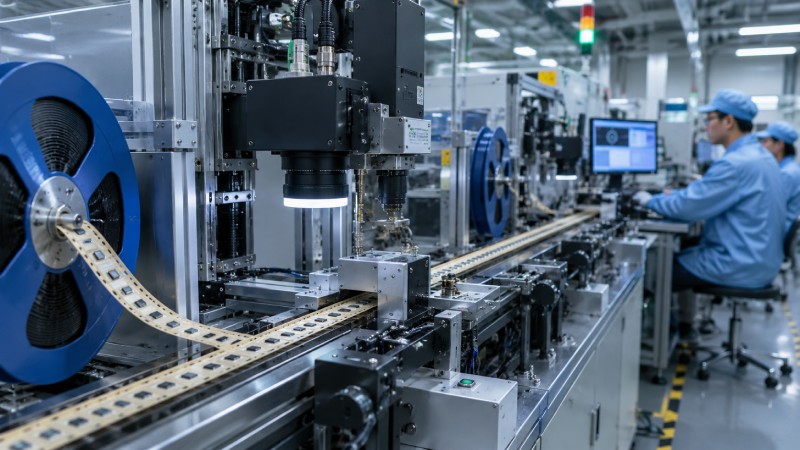
Paper carrier tape plays an essential role in protecting electronic components during storage, transportation, and automated assembly. A single packaging defect—such as an empty pocket, improper sealing, or incorrect component orientation—can disrupt SMT production lines, increase scrap rates, and generate unnecessary costs.
Effective quality control ensures that every reel leaving the packaging facility meets the required standards for reliability, consistency, and machine compatibility. By implementing inspection procedures throughout the packaging process, manufacturers can reduce defects, improve feeding performance, and provide customers with greater confidence in their supply chains.
In this guide, we‘ll explore the key quality control practices used in paper carrier tape packaging and explain why they matter for both suppliers and electronics manufacturers.
Why Quality Control Matters in Paper Carrier Tape Packaging
Packaging Is the Last Opportunity to Protect Components
Before components are shipped to customers, they typically undergo electrical testing, dimensional verification, and visual inspection. While these steps confirm the quality of the components themselves, packaging remains the final stage where errors can occur.
Paper carrier tape packaging is responsible for:
-
Securing components in individual pockets
-
Maintaining orientation consistency
-
Preventing physical damage
-
Supporting automated pick-and-place systems
If packaging quality is compromised, component performance may be affected long before the reel reaches the production line.
The Hidden Cost of Packaging Errors
Packaging defects can lead to consequences that extend far beyond the packaging department.
Common issues include:
-
Missing components
-
Misoriented parts
-
Pocket damage
-
Cover tape failures
-
Reel winding problems
These defects can cause machine stoppages, manual rework, delayed production schedules, and customer complaints. In high-volume SMT manufacturing environments, even a small defect rate can create significant operational costs.
Supporting SMT Automation
Modern SMT assembly lines rely heavily on consistency. Pick-and-place machines operate at high speeds and expect every component to be presented in a predictable manner.
Proper quality control helps ensure:
-
Stable feeding performance
-
Accurate component pickup
-
Reduced machine downtime
-
Higher production yields
The better the packaging quality, the more efficiently automated equipment can perform.
Key Quality Control Checkpoints Throughout the Packaging Process
Quality control should not be limited to final inspection. The most effective manufacturers implement multiple checkpoints throughout the entire packaging workflow.
Incoming Material Inspection
The quality process begins before packaging starts.
Incoming materials typically include:
-
Paper carrier tape
-
Cover tape
-
Plastic reels
-
Labels and packaging materials
Inspection teams verify:
-
Tape dimensions
-
Pocket accuracy
-
Material consistency
-
Surface quality
-
Compatibility with packaging equipment
Detecting material issues early helps prevent larger problems during production.
Component Loading Verification
As components are loaded into the carrier tape pockets, inspection systems monitor the process continuously.
Key checks include:
-
Correct component orientation
-
Proper pocket occupancy
-
Position accuracy
-
Component integrity
This stage ensures every pocket contains the correct component positioned according to customer requirements.
Cover Tape Sealing Inspection
After loading, the carrier tape is sealed with cover tape.
Quality checks focus on:
-
Seal alignment
-
Continuous sealing
-
Seal uniformity
-
Absence of wrinkles or gaps
Consistent sealing prevents components from escaping during transportation and handling.
Finished Reel Inspection
Before shipment, finished reels undergo a final inspection.
Typical verification points include:
-
Reel appearance
-
Winding quality
-
Quantity accuracy
-
Label information
-
Packaging condition
This final review serves as the last opportunity to identify defects before delivery.
Critical Quality Parameters for Paper Carrier Tape Packaging
Several quality parameters directly influence packaging performance.
Pocket Dimension Accuracy
Pocket dimensions must match the size and shape of the packaged component.
Critical measurements include:
-
Pocket width
-
Pocket length
-
Pocket depth
-
Pocket spacing
If pockets are too large, components may move excessively during transport. If pockets are too small, components may become damaged during loading or feeding.
Consistent pocket dimensions are essential for reliable packaging performance.
Component Orientation Consistency
Many electronic components have specific orientation requirements for automated assembly.
Even if every component is present, incorrect orientation can cause:
-
Pick-and-place errors
-
Assembly defects
-
Production delays
-
Increased manual intervention
Quality control systems verify that orientation remains consistent across the entire reel.
Cover Tape Seal Quality
Seal quality is one of the most important aspects of carrier tape packaging.
A proper seal must achieve two goals:
-
Securely retain components during transportation.
-
Allow smooth peeling during automated assembly.
Weak seals may open prematurely, while overly strong seals can interfere with feeder operation.
Maintaining consistent sealing conditions helps achieve the correct balance.
Reel Winding Consistency
Poor winding can create handling and feeding issues.
Inspection teams monitor:
-
Winding tension
-
Reel alignment
-
Tape flatness
-
Edge consistency
Proper winding reduces the risk of tape deformation and ensures smooth operation on customer production lines.
Common Packaging Defects and How They Are Detected
Even well-controlled processes can occasionally produce defects. Effective inspection systems are designed to detect problems before products leave the factory.
Empty Pockets
An empty pocket occurs when a component is not loaded into the carrier tape.
Potential causes include:
-
Loading interruptions
-
Feeding errors
-
Equipment malfunctions
Automated counting systems and machine vision technology are commonly used to identify missing components.
Misaligned Components
Components that sit incorrectly inside the pocket may shift during transportation or fail to feed properly.
Vision systems inspect:
-
Component position
-
Rotation angle
-
Orientation accuracy
Defective sections can be removed before shipment.
Cover Tape Misalignment
If the cover tape is not centered properly, some pockets may not be fully protected.
Possible consequences include:
-
Component loss
-
Contamination exposure
-
Feeding problems
Visual inspection systems continuously monitor seal alignment during production.
Seal Quality Variations
Changes in temperature, pressure, or machine settings can affect seal performance.
Common problems include:
-
Weak sealing
-
Uneven sealing
-
Excessive adhesion
Routine seal testing helps maintain process stability and product reliability.
Inspection Technologies Used in Modern Packaging Lines
As packaging requirements become more demanding, manufacturers increasingly rely on automated inspection systems.

Machine Vision Systems
Machine vision technology has become one of the most valuable quality control tools.
These systems can verify:
-
Component presence
-
Pocket occupancy
-
Orientation accuracy
-
Position consistency
-
Surface defects
Compared to manual inspection, machine vision provides greater speed, repeatability, and accuracy.
Automated Counting Systems
Accurate component counts are essential for inventory management and customer satisfaction.
Automated counting systems help ensure:
-
Correct reel quantities
-
Reduced counting errors
-
Improved traceability
This reduces disputes and improves delivery accuracy.
Seal Strength Testing Equipment
Seal testing equipment evaluates the performance of the cover tape seal.
Testing may include:
-
Peel force measurement
-
Seal consistency verification
-
Process validation
These tests help ensure reliable feeding performance at customer facilities.
Statistical Process Monitoring
Leading packaging providers track process data continuously.
Examples include:
-
Defect rates
-
Equipment performance
-
Seal parameters
-
Loading accuracy
Trend analysis allows manufacturers to identify potential issues before they become significant quality problems.
Quality Standards Buyers Should Evaluate When Choosing a Packaging Supplier
Choosing a packaging supplier involves more than comparing prices.
Buyers should evaluate the supplier‘s quality management capabilities.
Process Documentation
Reliable suppliers maintain documented procedures covering:
-
Material inspection
-
Packaging operations
-
Inspection criteria
-
Corrective actions
Documentation improves consistency and accountability.
Quality Management Systems
A structured quality management system helps ensure process control across all production stages.
Buyers should look for suppliers with:
-
Standardized procedures
-
Continuous improvement programs
-
Traceability systems
-
Defined quality objectives
These systems demonstrate long-term commitment to quality.
Inspection Reporting Capabilities
Professional packaging providers often offer inspection reports that include:
-
Quantity verification
-
Packaging inspection results
-
Process records
-
Quality data summaries
These reports provide transparency and build customer confidence.
Continuous Improvement Practices
The strongest suppliers do not simply inspect defects—they actively work to prevent them.
Effective improvement programs include:
-
Root cause analysis
-
Corrective actions
-
Preventive measures
-
Process optimization initiatives
Continuous improvement contributes to higher quality and greater operational efficiency over time.
How Quality Control Reduces Total Supply Chain Costs
Some buyers view quality control as an additional expense. In reality, effective quality management often reduces overall costs.
Benefits include:
-
Lower component waste
-
Fewer packaging failures
-
Reduced machine downtime
-
Higher assembly yields
-
Fewer customer complaints
-
Lower return rates
Preventing a packaging defect is almost always less expensive than correcting a problem after components reach the production line.
Quality control is therefore an investment in supply chain reliability rather than simply a production requirement.
How to Evaluate a Paper Carrier Tape Packaging Partner
When selecting a packaging supplier, buyers should ask specific questions about quality procedures.
A strong packaging partner should offer:
✓ Incoming material inspection
✓ Automated vision inspection
✓ Component orientation verification
✓ Cover tape seal testing
✓ Reel winding inspection
✓ Traceability systems
✓ Final quality audits
✓ Inspection documentation
✓ Continuous improvement programs
Suppliers that can clearly explain and demonstrate these capabilities are generally better positioned to deliver consistent packaging quality.
FAQs
What is the most important quality factor in paper carrier tape packaging?
There is no single factor that determines quality. Pocket dimensions, component orientation, seal integrity, and reel winding consistency all work together to ensure reliable packaging performance.
How is cover tape seal quality tested?
Manufacturers commonly use peel force testing and visual inspections to verify seal consistency and feeding performance.
Why is component orientation inspection important?
Incorrect orientation can disrupt automated assembly processes and increase production errors on SMT lines.
Can automated vision systems detect all packaging defects?
Modern vision systems can identify many defects, including missing components, orientation errors, and alignment issues. However, additional testing and process controls are still important.
How does packaging quality affect SMT production efficiency?
High-quality packaging improves feeding reliability, reduces machine stoppages, and helps maintain consistent production output.
What quality documents should buyers request?
Buyers may request inspection reports, quantity verification records, quality certificates, traceability documentation, and process control information.
Conclusion
Quality control in paper carrier tape packaging is a critical factor in ensuring component protection, transportation reliability, and SMT assembly performance. From material inspection and component loading verification to seal testing and final reel inspection, every stage of the packaging process contributes to overall product quality.
Manufacturers that invest in robust quality control systems can reduce defects, improve consistency, and support more efficient automated assembly operations. For buyers, selecting a packaging supplier with documented inspection procedures, modern quality technologies, and strong process control capabilities can significantly reduce supply chain risks.
When evaluating paper carrier tape packaging solutions, quality should never be viewed as an optional feature—it is one of the most important factors influencing long-term manufacturing success.



 Emial
Emial John Mr